Packaging is everywhere. From the coffee you grab on your way to work to the smartphone delivered to your doorstep, packaging plays a critical role in protecting products, enhancing brand identity, and improving customer experiences. Yet many people rarely stop to consider the importance of packaging and how it impacts businesses, consumers, and the environment.
In today’s highly competitive marketplace, packaging is much more than a protective layer. It serves as a powerful marketing tool, a means of communication, and a critical component of product logistics. Effective packaging helps businesses stand out on crowded retail shelves, protects products during transportation, and influences purchasing decisions. In many cases, packaging is the first physical interaction customers have with a brand.
The packaging industry has evolved significantly over the years. Modern packaging solutions now incorporate advanced materials, sustainable practices, smart technologies, and innovative designs that meet the growing demands of businesses and consumers alike. Whether it’s food packaging designed to extend shelf life, eco-friendly packaging aimed at reducing environmental impact, or flexible packaging that enhances convenience, the industry continues to innovate at a rapid pace.
This comprehensive guide explores everything you need to know about packaging, including its importance, different types, commonly used materials, industry applications, sustainable solutions, design considerations, and emerging trends shaping the future of packaging.
What Is Packaging?
Packaging refers to the process of designing, creating, and producing containers, wrappers, boxes, or other protective materials used to enclose products for storage, transportation, sale, and use. Its primary purpose is to protect products from damage, contamination, theft, and deterioration while ensuring they reach consumers in optimal condition.
However, modern packaging extends beyond simple protection. It also serves several other important functions, including:
- Preserving product quality
- Communicating product information
- Supporting branding and marketing efforts
- Improving product convenience
- Enhancing customer experiences
- Meeting regulatory requirements
- Facilitating efficient logistics and distribution
Packaging can be found in virtually every industry, including food and beverages, cosmetics, pharmaceuticals, electronics, retail, e-commerce, industrial manufacturing, and consumer goods.
For example, a simple bottle of water relies on packaging to maintain cleanliness, display nutritional information, attract buyers, and ensure safe transportation. Similarly, luxury cosmetic brands often use premium packaging designs to communicate quality and exclusivity.
As consumer expectations evolve, packaging has become a strategic business asset that directly influences product perception and purchasing decisions.
Why Packaging Is Important
Packaging performs multiple functions that benefit manufacturers, retailers, and consumers alike.
Product Protection
One of the most important roles of packaging is protecting products from physical damage, moisture, dust, temperature changes, and contamination. Without proper packaging, products may become damaged during storage, shipping, or handling, resulting in financial losses and customer dissatisfaction.
Brand Recognition
Packaging serves as a powerful branding tool. Colors, logos, typography, and design elements help businesses establish a recognizable identity and differentiate themselves from competitors.
Think about iconic brands like Apple, Coca-Cola, or Nike. Their packaging instantly communicates quality and brand values even before customers interact with the product itself.
Marketing and Sales
Packaging often acts as a silent salesperson. Attractive packaging can capture attention, communicate product benefits, and encourage impulse purchases. Research consistently shows that packaging design significantly influences consumer buying behavior.
Consumer Convenience
Modern packaging incorporates features that improve usability, including resealable closures, easy-open designs, portion control systems, and ergonomic shapes.
Regulatory Compliance
Many industries must follow strict packaging regulations regarding labeling, safety information, ingredients, nutritional facts, warnings, and recycling instructions. Proper packaging ensures compliance with these legal requirements.
Sustainability
Environmental concerns have made sustainable packaging increasingly important. Businesses are investing in recyclable, biodegradable, compostable, and reusable packaging solutions to reduce their environmental footprint and meet consumer expectations.
Types of Packaging
Packaging is generally categorized into three primary levels:
Primary Packaging
Primary packaging directly encloses and protects the product. It is the packaging consumers interact with first.
Examples include:
- Beverage bottles
- Food wrappers
- Cosmetic containers
- Pharmaceutical blister packs
- Coffee bags
Primary packaging focuses on product protection, preservation, and consumer convenience.
Secondary Packaging
Secondary packaging groups multiple primary packages together and often serves branding and display purposes.
Examples include:
- Product boxes
- Multi-pack beverage cartons
- Retail display packaging
- Gift packaging
Secondary packaging helps improve product presentation and transportation efficiency.
Tertiary Packaging
Tertiary packaging is used primarily for storage, shipping, and bulk handling throughout the supply chain.
Examples include:
- Shipping cartons
- Pallets
- Stretch wrap
- Industrial containers
This type of packaging ensures products can be transported safely and efficiently across long distances.
Packaging Materials: Understanding the Building Blocks of Modern Packaging
The choice of packaging material significantly affects product protection, cost, sustainability, branding, and customer satisfaction. Different industries require different materials depending on their unique needs and regulatory requirements.
Today, manufacturers can choose from a wide variety of packaging materials, each offering specific benefits and limitations.
Paper Packaging
Paper packaging remains one of the most widely used packaging materials worldwide. It is lightweight, versatile, recyclable, and often perceived as environmentally friendly.
Common examples include:
- Shopping bags
- Food wrappers
- Paper cartons
- Mailing envelopes
- Product sleeves
Businesses increasingly favor paper packaging because consumers associate it with sustainability and responsible environmental practices.
Advantages of Paper Packaging
- Renewable resource
- Highly recyclable
- Lightweight
- Cost-effective
- Excellent printability
Limitations of Paper Packaging
- Lower moisture resistance
- Limited durability for heavy products
- Reduced protection compared to rigid materials
Paper packaging is commonly used in retail, food service, e-commerce, and consumer goods industries.
Cardboard Packaging
Cardboard packaging provides greater strength and protection than standard paper packaging. It is commonly used for shipping, storage, and retail presentation.
Examples include:
- Product boxes
- Shipping cartons
- Subscription boxes
- Electronics packaging
- Gift boxes
Cardboard packaging offers an excellent balance between protection, affordability, and sustainability.
Benefits of Cardboard Packaging
- Strong and durable
- Recyclable
- Lightweight compared to plastic and metal
- Suitable for branding and printing
- Easy to customize
The rapid growth of e-commerce has significantly increased demand for cardboard packaging solutions worldwide.
Plastic Packaging
Plastic packaging remains one of the most versatile and widely used packaging materials.
Common examples include:
- Beverage bottles
- Food containers
- Flexible pouches
- Shrink wrap
- Cosmetic containers
Plastic packaging offers excellent durability, moisture resistance, and cost efficiency.
Benefits of Plastic Packaging
- Lightweight
- Durable
- Water resistant
- Flexible
- Cost-effective
Challenges of Plastic Packaging
Despite its advantages, plastic packaging faces increasing criticism due to environmental concerns. Many businesses are now investing in recyclable plastics, recycled-content materials, and alternative packaging solutions.
Glass Packaging
Glass packaging is often associated with premium quality and product purity.
Industries that frequently use glass packaging include:
- Food and beverages
- Cosmetics
- Pharmaceuticals
- Luxury products
Advantages of Glass Packaging
- Fully recyclable
- Non-reactive
- Premium appearance
- Excellent product preservation
Limitations
- Fragile
- Heavier transportation costs
- Higher manufacturing costs
Although glass packaging can be expensive, it remains highly valued for products where quality perception matters.
Metal Packaging
Metal packaging is commonly used for products requiring maximum protection and extended shelf life.
Examples include:
- Beverage cans
- Food cans
- Aerosol containers
- Industrial packaging
Benefits
- Exceptional durability
- Excellent barrier protection
- Long shelf life
- Highly recyclable
Aluminum and steel remain among the most recycled packaging materials globally.
Packaging Applications Across Industries
Packaging requirements vary dramatically depending on the industry and product type.
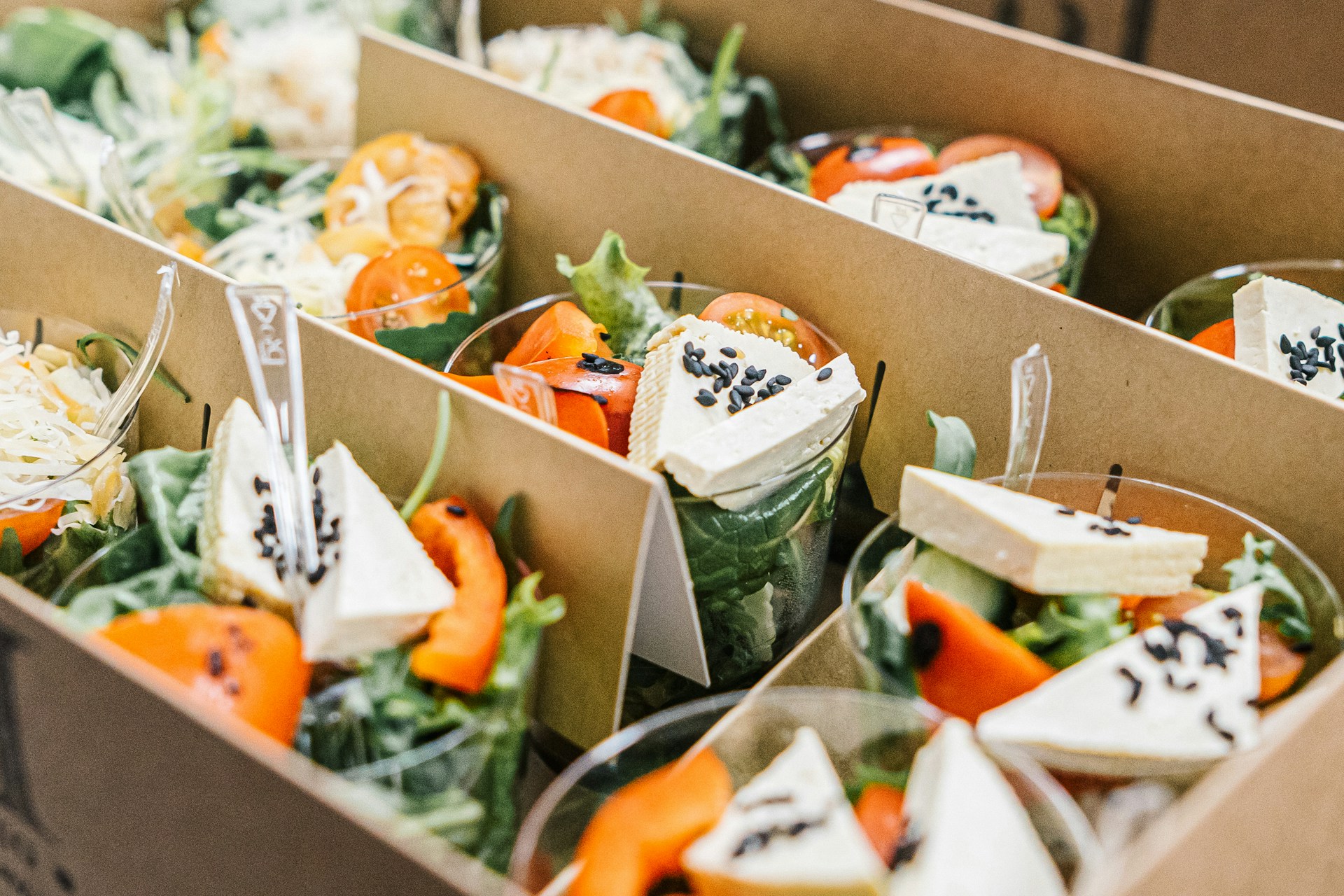
Food Packaging
Food packaging is one of the largest sectors within the packaging industry.
Its primary functions include:
- Preserving freshness
- Preventing contamination
- Extending shelf life
- Providing nutritional information
- Supporting transportation
Examples of food packaging include:
- Snack pouches
- Frozen food containers
- Beverage cartons
- Bakery packaging
- Cookie packaging
Consumer demand for convenience and sustainability continues to drive innovation within food packaging.
Coffee Packaging
Coffee packaging requires specialized solutions because coffee beans and ground coffee are highly sensitive to oxygen, moisture, and light.
Effective coffee packaging often includes:
- Degassing valves
- Resealable closures
- Multi-layer barriers
- Flexible pouches
High-quality coffee packaging helps maintain freshness while enhancing shelf appeal.
Cosmetic Packaging
Packaging plays a major role in the cosmetics industry because appearance strongly influences purchasing decisions.
Popular cosmetic packaging formats include:
- Bottles
- Jars
- Tubes
- Pumps
- Compact containers
Luxury cosmetic brands often invest heavily in premium packaging designs that communicate quality, elegance, and exclusivity.
Retail Packaging
Retail packaging is specifically designed to attract consumers and encourage purchases.
Effective retail packaging:
- Builds brand awareness
- Communicates product benefits
- Creates visual appeal
- Enhances customer experience
Retail packaging frequently combines protective functionality with marketing objectives.
Industrial Packaging
Industrial packaging focuses primarily on protection, logistics, and operational efficiency.
Common examples include:
- Bulk containers
- Heavy-duty corrugated boxes
- Pallets
- Protective cushioning
- Drums and barrels
Industrial packaging must withstand demanding transportation and storage conditions while minimizing product damage.
Pharmaceutical Packaging
Pharmaceutical packaging requires strict regulatory compliance and product safety standards.
Examples include:
- Blister packaging
- Bottles
- Child-resistant containers
- Unit-dose packaging
Patient safety and product integrity remain top priorities in pharmaceutical packaging systems.
Eco-Friendly Packaging: The Future of Sustainable Business
Sustainability has become one of the most important factors influencing packaging decisions. Consumers, governments, and businesses are increasingly demanding packaging solutions that reduce waste, conserve resources, and minimize environmental impact.
Eco-friendly packaging refers to packaging materials and processes designed to reduce harm to the environment throughout their lifecycle. This includes sourcing renewable materials, reducing packaging waste, improving recyclability, and lowering carbon emissions.
For many businesses, sustainable packaging is no longer optional. It has become a competitive advantage and a critical component of corporate responsibility initiatives.
Why Sustainable Packaging Matters
The packaging industry generates significant amounts of waste each year. As environmental concerns continue to grow, businesses face increasing pressure to adopt sustainable packaging practices.
Benefits of eco-friendly packaging include:
- Reduced environmental impact
- Improved brand reputation
- Greater consumer trust
- Compliance with environmental regulations
- Lower long-term material costs
- Enhanced customer loyalty
Consumers increasingly prefer brands that demonstrate a commitment to sustainability. Packaging often serves as a visible indicator of a company’s environmental values.
Types of Sustainable Packaging
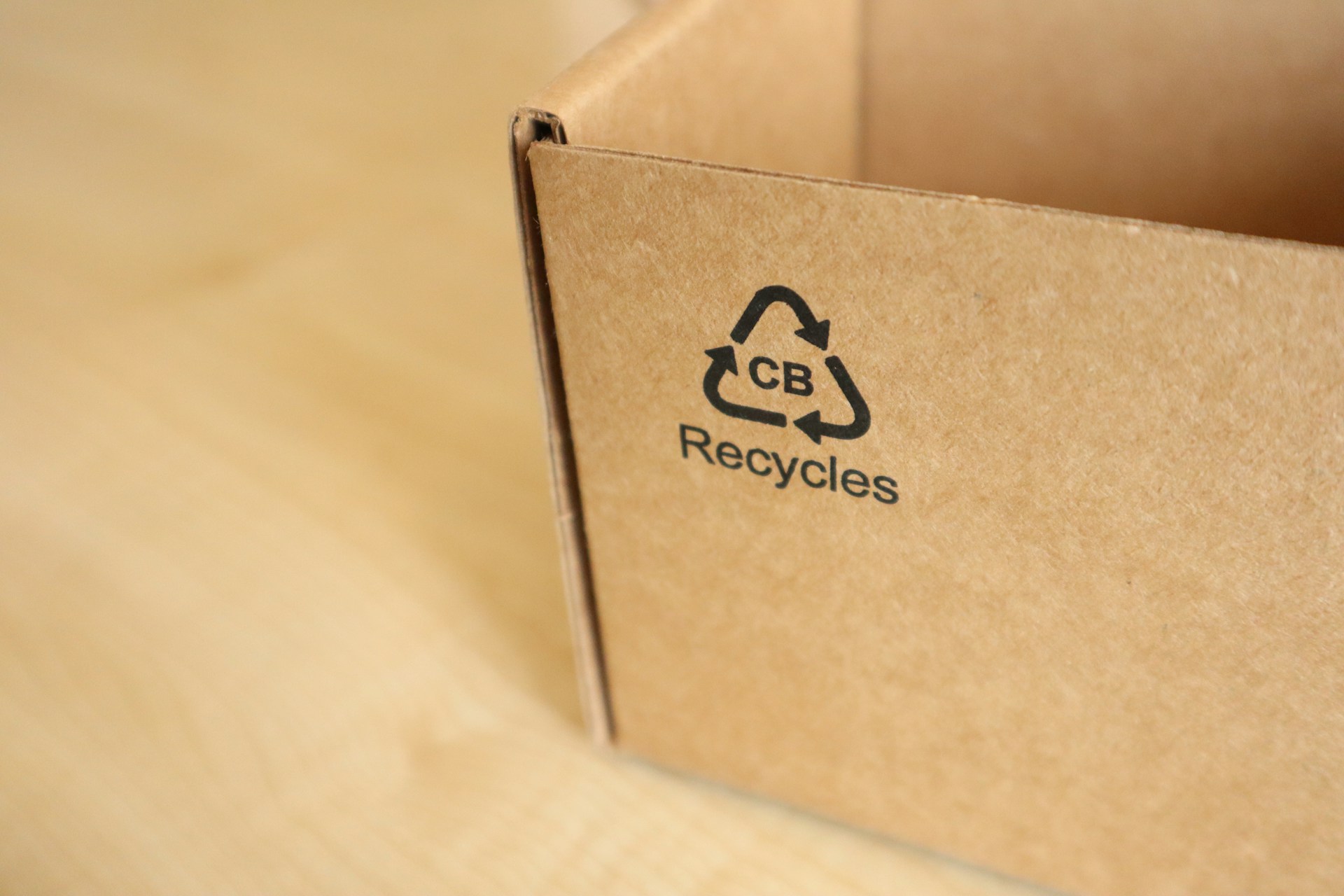
Recyclable Packaging
Recyclable packaging can be collected, processed, and reused to manufacture new products.
Examples include:
- Cardboard boxes
- Paper packaging
- Aluminum cans
- Glass bottles
- Certain plastic containers
Clear recycling instructions on packaging help improve recycling rates and reduce contamination.
Biodegradable Packaging
Biodegradable packaging naturally breaks down over time through biological processes.
Common materials include:
- Plant fibers
- Starch-based plastics
- Natural paper products
- Agricultural waste materials
These materials help reduce landfill waste when disposed of properly.
Compostable Packaging
Compostable packaging is designed to break down into nutrient-rich organic matter under composting conditions.
Popular options include:
- Compostable food containers
- Plant-based films
- Sugarcane packaging
- Cornstarch packaging
Compostable packaging is becoming increasingly popular in the food service industry.
Reusable Packaging
Reusable packaging is designed for multiple uses rather than single-use disposal.
Examples include:
- Refillable containers
- Reusable shipping boxes
- Returnable transport packaging
- Reusable beverage bottles
Many businesses are exploring reusable packaging systems as part of circular economy initiatives.
Flexible Packaging vs Rigid Packaging
One of the most important decisions manufacturers face is choosing between flexible and rigid packaging.
Each option offers unique advantages depending on the product, industry, and customer requirements.
What Is Flexible Packaging?
Flexible packaging refers to packaging that can easily change shape.
Examples include:
- Pouches
- Bags
- Sachets
- Films
- Wraps
Flexible packaging has become increasingly popular because it combines convenience, efficiency, and sustainability.
Benefits of Flexible Packaging
Reduced Material Usage
Flexible packaging often requires less raw material than rigid packaging.
Lower Shipping Costs
Its lightweight design reduces transportation expenses and carbon emissions.
Improved Shelf Appeal
Modern flexible packaging supports high-quality graphics and innovative designs.
Enhanced Convenience
Consumers appreciate features such as:
- Resealable zippers
- Easy-open systems
- Portable designs
- Portion control options
What Is Rigid Packaging?
Rigid packaging maintains its shape regardless of external conditions.
Examples include:
- Glass bottles
- Plastic containers
- Metal cans
- Cardboard boxes
Rigid packaging typically offers superior product protection and premium presentation.
Benefits of Rigid Packaging
- Greater durability
- Enhanced product protection
- Premium appearance
- Better stacking performance
- Improved shelf visibility
Which Packaging Solution Is Better?
The answer depends on product requirements.
Flexible packaging often works best for:
- Food products
- Coffee packaging
- Snack foods
- Personal care items
Rigid packaging often works best for:
- Glass beverages
- Luxury products
- Pharmaceuticals
- Electronics
Many companies now use a combination of both packaging formats depending on their product lines.
Packaging Design Best Practices
Even the highest-quality packaging materials cannot compensate for poor design.
Packaging design directly influences:
- Consumer perception
- Brand recognition
- Purchase decisions
- Customer satisfaction
Great packaging combines functionality with visual appeal.
Focus on Brand Identity
Packaging should immediately communicate:
- Brand personality
- Company values
- Product positioning
Consistent use of colors, typography, logos, and messaging helps strengthen brand recognition.
Prioritize Functionality
Consumers expect packaging to be easy to use.
Effective packaging design considers:
- Opening mechanisms
- Resealability
- Portability
- Product protection
- Storage convenience
Good design solves customer problems rather than creating them.
Use Clear Product Information
Packaging should provide essential information in a simple and organized manner.
Include:
- Product name
- Features
- Ingredients
- Instructions
- Safety information
- Certifications
Clear communication builds trust and reduces customer confusion.
Design for Shelf Impact
Retail environments are highly competitive.
Strong packaging design should:
- Capture attention quickly
- Differentiate from competitors
- Highlight unique selling points
- Create emotional connections
Many purchase decisions occur within seconds of seeing a product on the shelf.
Consider Sustainability
Modern consumers increasingly evaluate packaging based on environmental impact.
Designers should seek opportunities to:
- Reduce material usage
- Improve recyclability
- Eliminate unnecessary components
- Incorporate recycled content
Sustainable packaging design benefits both businesses and the environment.
Future Trends in Packaging
The packaging industry continues to evolve rapidly as technology, consumer preferences, and sustainability goals reshape the market.
Several trends are expected to drive innovation in the coming years.
Smart Packaging
Smart packaging integrates technology directly into packaging systems.
Examples include:
- QR codes
- NFC tags
- Temperature indicators
- Freshness sensors
- Track-and-trace systems
Smart packaging improves transparency, product safety, and customer engagement.
Personalized Packaging
Advances in digital printing enable businesses to create highly personalized packaging experiences.
Brands increasingly use personalized packaging to:
- Increase customer engagement
- Improve brand loyalty
- Enhance unboxing experiences
Minimalist Packaging
Many companies are simplifying packaging designs to reduce waste and create cleaner aesthetics.
Minimalist packaging often focuses on:
- Simplicity
- Functionality
- Sustainability
- Premium appearance
Circular Packaging Systems
Circular economy principles encourage packaging systems that eliminate waste and maximize resource recovery.
Future packaging strategies will increasingly emphasize:
- Reuse
- Recycling
- Refillable systems
- Closed-loop manufacturing
Sustainable Innovation
Research continues to produce new environmentally friendly materials, including:
- Mushroom packaging
- Seaweed packaging
- Agricultural waste materials
- Advanced biodegradable polymers
These innovations may significantly reduce the environmental footprint of packaging in the future.
Frequently Asked Questions About Packaging
What Is Packaging?
Packaging is the process of enclosing and protecting products for storage, transportation, distribution, sale, and use. It helps preserve product quality, improve customer experience, and communicate important information to consumers.
Why Is Packaging Important?
Packaging is important because it protects products from damage, contamination, and environmental factors. It also helps businesses build brand recognition, attract customers, provide product information, and improve logistics efficiency.
What Are the Three Levels of Packaging?
The three primary levels of packaging are:
Primary Packaging
The packaging that directly contains the product.
Examples:
- Beverage bottles
- Food wrappers
- Cosmetic jars
Secondary Packaging
Packaging that groups primary packages together.
Examples:
- Product boxes
- Multipacks
- Display cartons
Tertiary Packaging
Packaging used for bulk transportation and storage.
Examples:
- Shipping cartons
- Pallets
- Stretch wrap
What Are the Most Common Packaging Materials?
The most widely used packaging materials include:
- Paper
- Cardboard
- Plastic
- Glass
- Metal
- Flexible films
- Corrugated board
Each material offers different benefits depending on the product and industry.
What Is Sustainable Packaging?
Sustainable packaging is designed to minimize environmental impact throughout its lifecycle. It often uses recyclable, biodegradable, compostable, or reusable materials while reducing waste and resource consumption.
What Is Flexible Packaging?
Flexible packaging refers to packaging that can easily change shape and is made from flexible materials such as films, foils, and pouches.
Examples include:
- Coffee bags
- Snack pouches
- Food wrappers
- Stand-up pouches
Flexible packaging is lightweight, cost-effective, and increasingly popular across many industries.
What Is Corrugated Packaging?
Corrugated packaging consists of fluted corrugated sheets combined with linerboards to create strong and durable packaging.
Common uses include:
- Shipping boxes
- E-commerce packaging
- Industrial packaging
- Retail transport cartons
What Is Food Packaging?
Food packaging is specifically designed to protect food products from contamination, preserve freshness, extend shelf life, and provide important information such as ingredients and nutritional facts.
What Is Cosmetic Packaging?
Cosmetic packaging includes containers, bottles, jars, tubes, and boxes used for beauty and personal care products.
Its purpose is to:
- Protect the product
- Enhance brand image
- Improve user experience
- Attract consumers
What Is Industrial Packaging?
Industrial packaging protects heavy, bulky, or sensitive products during storage and transportation.
Examples include:
- Drums
- Pallets
- Crates
- Bulk containers
- Heavy-duty corrugated boxes
What Is Blister Packaging?
Blister packaging consists of a plastic cavity attached to a backing material, often cardboard or foil.
It is commonly used for:
- Pharmaceuticals
- Consumer electronics
- Hardware products
- Small retail items
What Is Clamshell Packaging?
Clamshell packaging is a type of plastic packaging that folds together like a shell and securely encloses products.
It is frequently used for:
- Electronics
- Food products
- Retail merchandise
How Does Packaging Influence Consumer Behavior?
Packaging significantly affects purchasing decisions by:
- Creating first impressions
- Communicating product quality
- Reinforcing brand identity
- Highlighting product benefits
Studies consistently show that attractive packaging can increase product sales and customer engagement.
What Makes Packaging Effective?
Effective packaging combines:
- Product protection
- Attractive design
- Ease of use
- Sustainability
- Clear communication
- Cost efficiency
The best packaging solutions balance functionality with strong branding.
What Are Current Packaging Trends?
Popular packaging trends include:
- Eco-friendly packaging
- Minimalist design
- Smart packaging technology
- Personalized packaging
- Reusable packaging systems
- Sustainable materials
These trends are helping businesses meet evolving consumer expectations.
What Is Smart Packaging?
Smart packaging incorporates technology into packaging systems to provide additional functionality.
Examples include:
- QR codes
- RFID tags
- Temperature indicators
- Freshness monitoring systems
- Product authentication features
Smart packaging enhances traceability, safety, and customer engagement.
How Can Businesses Reduce Packaging Costs?
Businesses can lower packaging costs by:
- Using lightweight materials
- Optimizing package dimensions
- Reducing excess packaging
- Improving supply chain efficiency
- Switching to flexible packaging when appropriate
Cost optimization should never compromise product protection or customer satisfaction.
What Is the Future of Packaging?
The future of packaging will focus on:
- Sustainability
- Circular economy principles
- Smart technologies
- Reusable systems
- Biodegradable materials
- Automation and digitalization
As environmental regulations become stricter and consumer awareness grows, packaging innovation will continue to accelerate.
Final Thoughts
Packaging is one of the most important elements of modern commerce. It protects products, communicates brand value, supports logistics, and influences consumer decisions. From food packaging and flexible packaging to corrugated packaging and eco-friendly solutions, businesses have more options than ever before.
Companies that invest in effective, sustainable, and customer-focused packaging strategies will be better positioned to compete in today’s evolving marketplace. Understanding packaging materials, applications, design principles, and future trends provides a strong foundation for making informed packaging decisions that benefit both businesses and consumers.
Packaging is far more than a container or protective layer. It plays a vital role in product protection, branding, logistics, customer experience, and sustainability. From food packaging and cosmetic packaging to industrial packaging and eco-friendly solutions, businesses rely on packaging to deliver value throughout the supply chain.
As consumer expectations evolve and environmental concerns grow, companies must embrace innovative packaging strategies that balance performance, sustainability, and cost efficiency. By understanding different packaging materials, formats, applications, and emerging trends, businesses can make informed decisions that improve product success and strengthen brand competitiveness.
The future of packaging will be shaped by smarter technologies, greener materials, and more customer-focused designs. Organizations that adapt to these changes will be well-positioned to thrive in an increasingly competitive marketplace.