
sustainable-food-packaging

Sustainable Food Packaging: Materials, Benefits and Challenges

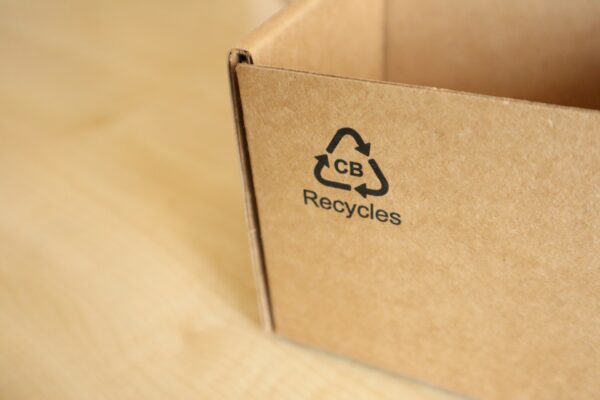
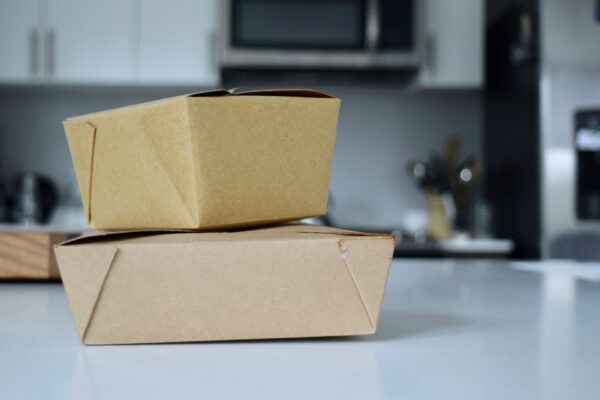
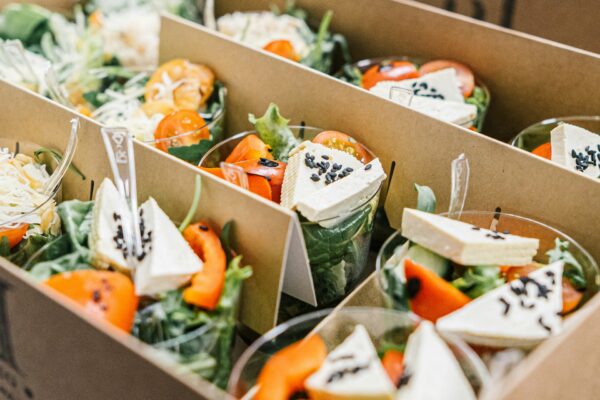
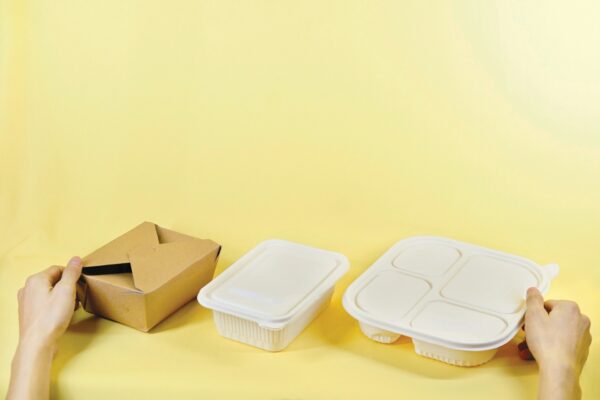
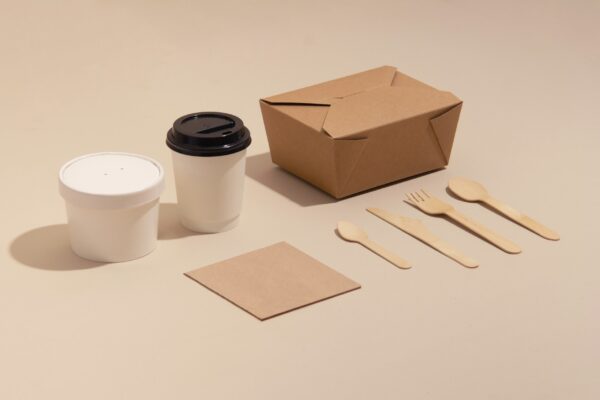
Sustainable food packaging is becoming an important consideration for restaurants, manufacturers, retailers, and customers. Businesses want to reduce waste and environmental impact, but packaging must still protect food, support its shelf life, and meet safety requirements. Replacing one material with another does not automatically make a package sustainable. A paper package may need a plastic…

Read Full News
best-food-packaging

How to Choose the Best Food Packaging for Your Product

Choosing food packaging can feel overwhelming. Businesses must compare materials, package styles, safety requirements, shelf life, branding, transportation, customer convenience, sustainability, and cost. The most attractive or least expensive package is not always the best choice. Packaging must first protect the food under the conditions in which it will be filled, transported, stored, sold, and…

Read Full News
packaging-materials

Food Packaging Materials: Types, Uses, Pros and Cons

The material used for food packaging affects almost every part of a product’s journey. It can influence freshness, shelf life, safety, transportation costs, appearance, and the customer’s experience. Plastic, paper, glass, metal, and newer plant-based materials each offer different benefits. However, no single material works well for every food product. A lightweight pouch might be…

Read Full News
food-packaging

Food Packaging: A Complete Guide for Businesses

Food packaging does much more than hold a product. It protects food from damage and contamination, helps maintain freshness, provides important information, and gives customers their first impression of a brand. For businesses, choosing the right packaging can directly affect product quality, shelf life, transportation costs, customer satisfaction, and sales. A beautiful package may attract…

Read Full News
packaging-Design

Packaging Design Best Practices: 12 Ways to Create Packaging That Sells

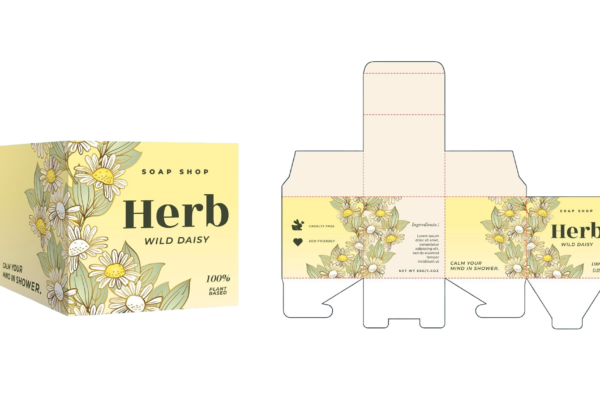
Packaging has only a few seconds to attract attention, communicate value, and convince a customer to take a closer look. However, effective packaging must do more than look attractive. It should protect the product, represent the brand, provide useful information, and create a convenient customer experience. That makes packaging design both a creative and strategic…

Read Full News
Packaging Materials

Packaging Materials Guide: How Marketers Can Choose the Right Option

Choosing a packaging material is not simply a production decision. It influences how customers perceive a product, how well the product survives shipping, how much it costs to distribute, and what environmental claims a brand can confidently make. A premium glass bottle may communicate quality, while a lightweight pouch can suggest convenience. A kraft paper…

Read Full News
Differences

Primary vs Secondary vs Tertiary Packaging: Differences, Examples, and Uses

Packaging is much more than simply wrapping a product. It protects goods, helps companies market their brands, and ensures products arrive safely from manufacturers to customers. In the packaging industry, products are commonly protected using three levels of packaging: primary packaging, secondary packaging, and tertiary packaging. Each level serves a different purpose. Primary packaging comes…

Read Full News
types-of-packaging-explained

Types of Packaging Explained: A Complete Guide

Types of Packaging Explained Packaging is used to protect, store, transport, display, and sell products. However, not every package performs the same function. A bottle that directly contains a beverage, the carton holding several bottles, and the pallet transporting those cartons are all different types of packaging. Understanding these categories helps businesses select packaging that…

Read Full News