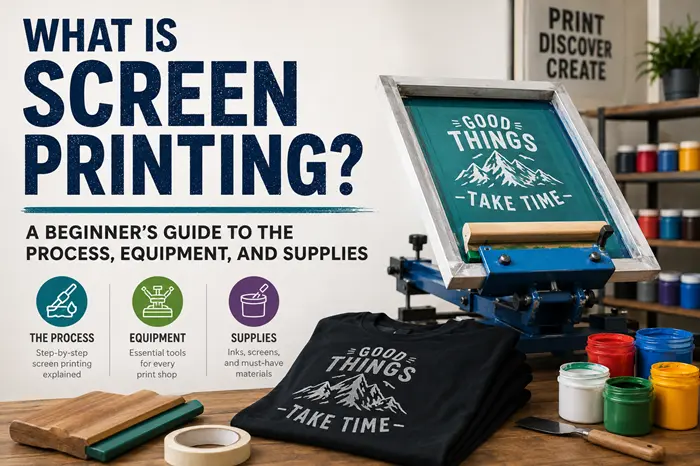
If you’ve ever worn a t-shirt with a bold, vibrant graphic that’s lasted through dozens of washes, there’s a good chance it was made using screen printing. This time-tested technique is one of the most popular methods for printing designs onto fabric, and it’s used everywhere from small home studios to large commercial print shops.
So, what is screen printing exactly? It’s a printing method where ink is pushed through a fine mesh screen onto a surface below, with a stencil blocking the ink from reaching certain areas to create a design. The result is crisp, durable prints with rich, opaque color, especially popular for printing on shirts, hoodies, tote bags, and posters.
This guide walks through how screen printing works, the equipment and supplies involved, and how it compares to other printing methods, so you can decide if it’s the right fit for your next project.
How Does Screen Printing Work?
Understanding the screen printing process helps explain why this method produces such vibrant, long-lasting results.
It starts with a design being separated into individual colors, since each color requires its own screen. A stencil of the design is then created on a fine mesh screen using a light-sensitive coating called screen printing emulsion. When exposed to light, the emulsion hardens everywhere except where the design is, and the unhardened emulsion is washed away, leaving an open area in the mesh that matches the design.
Once the screen is ready, it’s placed over the material to be printed, whether that’s a t-shirt, tote bag, or poster. Ink is applied to the top of the screen and a tool called a squeegee is pulled across it, forcing the ink through the open areas of the mesh and onto the surface below. Each color in the design requires a separate screen and a separate pass.
After printing, most inks need to be cured with heat to set permanently into the fabric, ensuring the design holds up through repeated washing and wear.
Silk Screen Printing: Where It All Started
You may have heard the term silk screen printing used interchangeably with screen printing, and that’s because silk was the original mesh material used in this process. While most screens today are made from polyester or other synthetic materials due to their durability and consistency, the term silk screen printing has stuck around as a nod to the technique’s origins.
Screen Printing Equipment and Machines
Getting started with screen printing requires some essential screen printing equipment, and the scale of your setup depends on whether you’re printing a few shirts for fun or running a small business.
Screen Printing Press
A screen printing press holds the screens in place and allows for precise alignment between multiple colors. Manual presses are popular for beginners and small operations, letting you rotate between screens by hand. They’re affordable, durable, and surprisingly capable for hobbyists and small businesses alike.
Automatic Screen Printing Machine
For higher-volume production, an automatic screen printing machine handles the printing process with minimal manual input, dramatically increasing speed and consistency. These machines are common in commercial print shops that need to produce hundreds or thousands of identical prints efficiently.
Xtool Screen Printing
Brands like Xtool have entered the maker and small business space with compact, often laser-cutting-adjacent tools that pair well with screen printing workflows, particularly for creating stencils, cutting screen frames, or producing custom designs for small-batch printing. These tools have become popular among hobbyists looking to combine multiple crafting techniques.
Screen Printing Supplies You’ll Need
Beyond the printing press itself, a range of screen printing supplies are essential to the process.
Screen Printing Mesh
The mesh count of a screen, essentially how tightly woven the fabric is, determines how much ink passes through and how fine the detail of your print can be. Lower mesh counts allow more ink through, ideal for bold designs on dark fabrics, while higher mesh counts are better suited for detailed, multi-color designs.
Screen Printing Emulsion
As mentioned earlier, emulsion is the light-sensitive coating applied to screens to create your stencil. Quality emulsion is key to getting clean, sharp edges on your printed design.
Screen Printing Ink
Ink choice significantly affects the final look and feel of a print. Plastisol inks sit on top of the fabric and create a slightly raised, glossy finish, while water based screen printing ink soaks into the fibers for a softer, more breathable feel. Water-based inks have become increasingly popular for their eco-friendlier formulation and the comfortable, lightweight prints they produce.
Speedball Screen Printing Kits
For beginners, Speedball screen printing kits are a widely recommended starting point. These kits typically include a small screen, squeegee, ink, and basic instructions, making it easy to try the craft at home without a major investment. They’re a great way to learn the fundamentals before scaling up to larger screen printing equipment.
Screen Printing Kit Options
Beyond Speedball, many all-in-one screen printing kit options exist for hobbyists, ranging from simple one-color setups to multi-screen kits designed for more complex designs. These kits are an excellent entry point for anyone curious about printing their own shirts, tote bags, or art prints at home.
Screen Printing Shirts: The Most Popular Application
While screen printing can be used on paper, wood, and other surfaces, screen printing shirts remains by far its most popular application. From band merchandise and event t-shirts to custom apparel for businesses and sports teams, screen printing produces vibrant, durable designs that can withstand years of wear and washing, making it a favorite for anyone wanting professional-quality custom apparel.
DTF vs Screen Printing vs Digital Printing
If you’re researching printing methods, you’ve likely come across comparisons like DTF vs screen printing and screen printing vs digital printing.
DTF, or direct-to-film printing, involves printing a design onto a special film, applying adhesive powder, and heat-pressing it onto fabric. It’s known for handling intricate, full-color designs without needing multiple screens, making it faster for small orders with lots of colors. However, screen printing often produces more durable results for bold, simple designs, especially at higher volumes, and can be more cost-effective for large runs of the same design.
Digital printing, meanwhile, prints designs directly onto fabric using inkjet technology, similar to a home printer but on a much larger scale. It excels at detailed, photographic designs and small print runs but generally can’t match the vibrancy and durability of screen printing on dark fabrics, particularly for bold, solid-color graphics.
Choosing the Right Method for Your Project
For anyone weighing screen printing vs digital printing or DTF vs screen printing, the right choice often comes down to order size, design complexity, and budget. Screen printing shines for bulk orders with bold, simple designs, while digital and DTF methods may be better suited for small batches or highly detailed, multi-color artwork.
Exploring Other Printing Crafts and Solutions
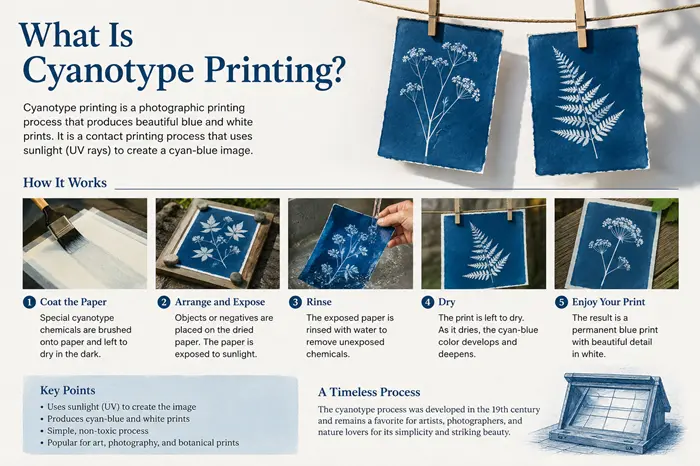
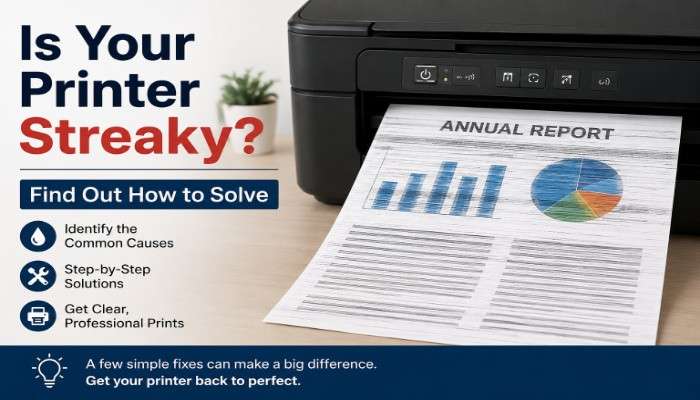
If you enjoyed learning about screen printing, you might also like exploring cyanotype printing, a sun-powered photographic process that creates striking blue-toned prints on paper and fabric using little more than sunlight and basic chemistry. And if your home printer has been giving you trouble, our guide on is your printer streaky? offers simple troubleshooting tips to get crisp, even prints every time.
Final Thoughts
Screen printing remains one of the most reliable and visually impactful printing methods available, whether you’re a hobbyist experimenting with a Speedball kit or a business investing in an automatic screen printing machine. By understanding the process, equipment, and supplies involved, you’ll be well-equipped to start your own screen printing projects or make informed decisions about outsourcing your next print run.