
Choosing a packaging material is not simply a production decision. It influences how customers perceive a product, how well the product survives shipping, how much it costs to distribute, and what environmental claims a brand can confidently make.
A premium glass bottle may communicate quality, while a lightweight pouch can suggest convenience. A kraft paper box may support a natural brand identity, whereas a printed metal container can feel durable and collectible.
This packaging materials guide explains the most common options and helps marketers compare them based on protection, appearance, cost, customer experience, and sustainability.
Why Packaging Material Matters in Marketing
Packaging is the material or container used to protect, store, present, transport, and sell a product. For a more detailed introduction, read our guide explaining what packaging is and why it matters.
From a marketing perspective, the selected material affects:
- Brand positioning
- Shelf visibility
- Print and design quality
- Perceived product value
- Shipping and fulfillment costs
- Unboxing experience
- Environmental messaging
- Customer convenience
Marketers should therefore be involved in material selection from the beginning instead of treating packaging as a final decorative step.
Packaging Materials Comparison
| Material | Main strengths | Possible limitations | Common uses |
|---|---|---|---|
| Paper and paperboard | Printable, lightweight and versatile | Limited moisture resistance | Cartons, sleeves, labels and bags |
| Corrugated cardboard | Strong, affordable and customizable | Can weaken when wet | Shipping boxes and subscription boxes |
| Plastic | Lightweight, durable and moisture-resistant | Recycling access varies | Bottles, trays, films and containers |
| Glass | Premium appearance and strong barrier properties | Heavy and breakable | Food, beverages, cosmetics and fragrances |
| Metal | Durable with excellent protection | May cost more to manufacture | Cans, tins and aerosol containers |
| Wood | Strong and visually distinctive | Heavy and often expensive | Crates, gift boxes and luxury products |
| Flexible materials | Lightweight and space-efficient | Multilayer formats can be hard to recycle | Pouches, wrappers and sachets |
1. Paper and Paperboard Packaging
Paper and paperboard are popular because they are lightweight, highly printable, and easy to customize. Folding cartons, product sleeves, labels, shopping bags, and food wrappers frequently use these materials.
For marketers, paperboard offers a large surface for colors, product information, storytelling, and branded graphics. Different finishes, embossing, foil stamping, and textured stocks can help a package feel economical, natural, playful, or luxurious.
However, untreated paper has limited resistance to water, grease, and heavy impact. Coatings may improve performance, but they can also affect recyclability. Marketers should confirm material specifications before making environmental claims.
Best for: dry foods, cosmetics, retail products, pharmaceuticals, and lightweight consumer goods.
2. Corrugated Cardboard
Corrugated cardboard contains a fluted inner layer positioned between flat linerboards. This construction provides more strength and cushioning than ordinary paperboard.
It is widely used for e-commerce mailers, shipping cartons, subscription boxes, retail displays, and appliance packaging. Corrugated boxes can also be printed inside and outside, allowing online brands to create a memorable unboxing experience.
The material is relatively lightweight for its strength, which can help control shipping expenses. Its main weakness is moisture exposure, although coatings and liners can provide additional resistance.
Best for: e-commerce orders, subscription products, electronics, home goods, and bulk shipping.
3. Plastic Packaging
Its low weight, durability, flexibility, and resistance to moisture make it useful across many industries.
Transparent plastic allows shoppers to see the product, while colored or opaque formats can strengthen brand recognition. Molded plastic can also create distinctive shapes that help a product stand out.
However, marketers should not assume that every plastic package is accepted through local recycling programs. The U.S. Environmental Protection Agency explains that plastic acceptance varies by community and that a resin identification number does not automatically mean an item is locally recyclable.
Best for: beverages, personal care products, household goods, food, medicine and products requiring moisture protection.
4. Glass Packaging
Glass provides a clean, premium appearance and does not absorb odors or flavors. It is frequently selected for beverages, sauces, candles, skincare products, fragrances, and pharmaceuticals.
Its weight and clarity can increase perceived product value. Colored glass, custom shapes, printed labels, and embossed details also give marketers several branding options. Glass containers can be reused in some applications and recycled repeatedly where suitable collection systems exist.
The trade-offs are weight, fragility, transportation costs, and the need for protective secondary packaging.
Best for: premium food and beverages, cosmetics, fragrances, candles, and products that require strong barrier protection.
5. Metal Packaging
Aluminum and steel are commonly used for beverage cans, food cans, decorative tins, aerosol containers, and industrial packages. Metal offers strong protection from light, air, impact, and contamination.
A decorated tin can become part of the product experience rather than something customers immediately discard. This makes metal especially valuable for gifts, limited editions, and collectible packaging.
Metal packaging can be more expensive than basic paper or flexible alternatives, but its durability and premium presentation may justify the cost for the right product.
Best for: beverages, preserved food, personal care products, specialty gifts,s and long-shelf-life goods.
6. Wood Packaging
Wood is used for pallets, transportation crates, wine boxes, presentation cases, and luxury gift packaging. It communicates craftsmanship, durability, tradition, and exclusivity.
Because wood is heavier and more expensive than many alternatives, it is not the most practical option for every product. It works best when the packaging contributes directly to the product’s perceived value or can be reused by the customer.
Best for: wine, gourmet food, luxury gifts, industrial products and premium product launches.
7. Flexible and Multilayer Packaging
Flexible packaging includes pouches, bags, sachets, wrappers, and films. These formats use less storage space and are usually lighter than rigid containers. Features such as resealable zippers, tear notches, spouts, and handles can also improve convenience.
Flexible packaging provides excellent space for printed graphics, making it attractive for snack, coffee, pet food, and personal care brands.
Some flexible packages combine plastic, foil, and paper layers to achieve the necessary barrier performance. These combinations can be difficult to separate and may not be accepted by ordinary recycling programs.
Best for: snacks, coffee, frozen foods, refill products, samples, and lightweight e-commerce products.
How to Choose the Best Packaging Material
Begin With Product Protection
The package must protect the product before it promotes it. Consider weight, fragility, shelf life, temperature, moisture, light, contamination, and shipping conditions.
Food-contact packaging may also be subject to U.S. Food and Drug Administration requirements concerning food-contact substances. Regulatory suitability should be confirmed with suppliers and qualified compliance professionals.
Identify the Packaging Level
Determine whether the material will be used for primary, secondary, or tertiary packaging. Each level has a different function.
Primary packaging directly contains the product, secondary packaging supports grouping and presentation, and tertiary packaging protects shipments. Explore our comparison of primary, secondary, and tertiary packaging for detailed examples.
Match the Material to Your Brand Position
Material should reinforce the desired brand image:
- Glass can communicate purity or premium quality.
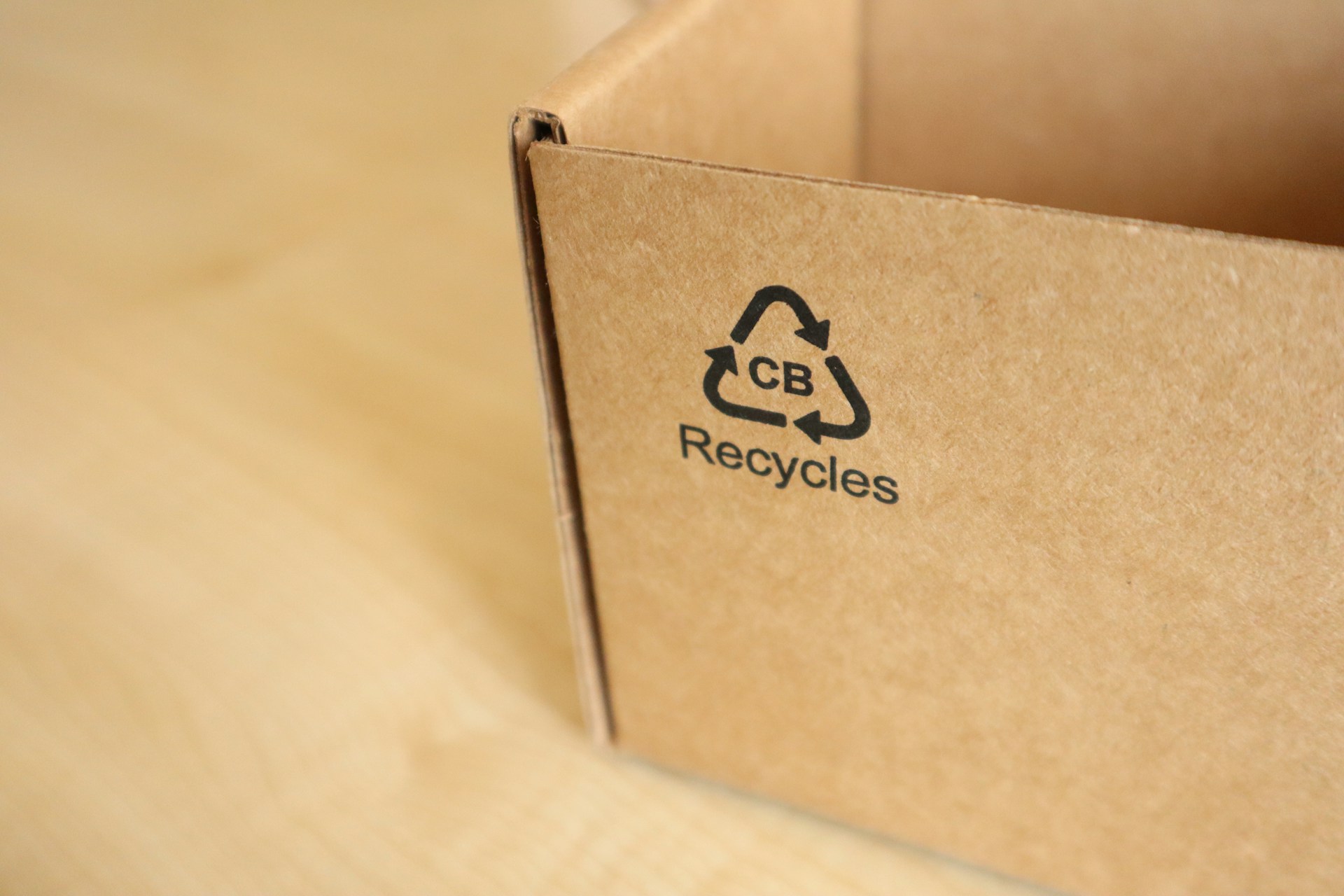
- Kraft paper can create a simple, natural appearance.
- Metal may suggest durability or exclusivity.
- Flexible packaging can emphasize portability.
- Corrugated cardboard can support an e-commerce unboxing experience.
The most expensive material is not automatically the best choice. Consistency between the product, audience, price, and packaging is more important.
Evaluate the Complete Cost
Compare more than the price of an individual container. Include printing, tooling, assembly, storage, protective inserts, transportation, product damage, and fulfillment expenses.
A lower-cost package can become expensive if it increases shipping weight or allows more products to arrive damaged.
Consider Design and Printing Requirements
Ask whether the material can support your desired colors, typography, photography, finishes, and labeling system. Some materials offer a large printable surface, while others require labels, sleeves, or specialized printing.
Material is only one way to classify a package. Our guide to the different types of packaging explains flexible, rigid, semi-rigid, retail, protective, and industrial formats.
Test the Customer Experience
Evaluate how easily customers can open, carry, store, reseal, dispense, and dispose of the package. Test prototypes with real users whenever possible.
An attractive package that leaks, breaks, or frustrates customers can damage the brand more than an ordinary design.
Be Careful With Sustainability Claims
Marketers should avoid vague statements such as “green,” “environmentally safe,” or “100% eco-friendly” unless the complete claim can be supported.
The Federal Trade Commission’s Green Guides advise marketers to use clear, specific qualifications for environmental claims. Recyclable claims may need qualification when appropriate recycling facilities are not widely available. Claims about recycled content should also state the relevant percentage when a package is only partly made from recycled material.
Use precise language such as:
- “Made with 40% post-consumer recycled content”
- “Check locally for recycling availability”
- “Reusable through our container-return program”
- “Compostable in participating industrial facilities”
Specific statements are more informative and credible than broad environmental promises.
Packaging Material Selection Checklist
Before approving a material, ask:
- Does it protect the product throughout distribution?
- Does it comply with applicable safety and labeling requirements?
- Does it support the intended brand position?
- Can the required graphics be reproduced clearly?
- Is it practical to store, assemble, and ship?
- Is it convenient for the customer?
- Can sustainability claims be substantiated?
- Has the complete packaging cost been calculated?
- Has the package been tested under realistic conditions?
Final Thoughts
There is no single best packaging material for every product. Paper, cardboard, plastic, glass, metal, wood, and flexible materials each provide different benefits.
The right choice balances protection, cost, branding, logistics, convenience, and end-of-life considerations. Marketers who participate early in the selection process can help create packaging that protects the product and communicates a clear brand promise.
For a broader look at packaging formats, applications, design, and emerging developments, read our ultimate guide to packaging or explore more articles in our packaging resource center.
Frequently Asked Questions
What are the most common packaging materials?
The most common materials include paper, paperboard, corrugated cardboard, plastic, glass, aluminum, steel, and wood. Flexible packages may combine multiple materials to improve protection.
What is the best packaging material for marketing?
The best material depends on the brand and product. Paperboard offers excellent printability, glass supports premium positioning, corrugated cardboard works well for e-commerce, and flexible packaging provides portability and a large graphics area.
Which packaging material is the most sustainable?
No material is automatically the most sustainable in every situation. The answer depends on material use, recycled content, product protection, transportation weight, reuse, local collection systems, and what happens after disposal.
What is the difference between paperboard and corrugated cardboard?
Paperboard is a single, relatively thin material commonly used for folding cartons. Corrugated cardboard includes a fluted middle layer that gives shipping boxes greater strength and cushioning.
How should marketers compare packaging materials?
Marketers should compare product protection, total cost, shipping weight, print quality, brand positioning, customer convenience, regulatory requirements, and realistic recovery or disposal options.