What is packaging, and why is it important? Packaging is the material or container used to enclose, protect, store, transport, present, and sell a product. It can be as simple as a paper wrapper or as complex as a temperature-controlled container for pharmaceutical products.
However, packaging does much more than cover an item. It protects products from damage, provides useful information, supports transportation, and helps businesses communicate their brand identity. In many cases, packaging is the first part of a product that customers see and touch.
From food containers and medicine bottles to shipping boxes and luxury gift bags, packaging plays an essential role in almost every industry.
What Is the Meaning of Packaging?
Packaging refers to both the materials surrounding a product and the process of designing and producing those materials.
A package may include:
- A container that directly holds the product
- A box used to display the product in a store
- Labels containing ingredients or instructions
- Protective materials used during shipping
- An outer carton that groups several products together
For example, a bottle protects a soft drink, while its label identifies the flavor, ingredients, manufacturer, and expiration date. The cardboard carton used to transport multiple bottles is also part of the packaging system.
Why Is Packaging Important?
Effective packaging benefits manufacturers, retailers, delivery companies, and consumers in several ways.
Product Protection
The primary purpose of packaging is to protect a product from physical damage, dirt, moisture, light, contamination, and temperature changes. Protective packaging helps an item remain in good condition throughout manufacturing, storage, transportation, and use.
Without suitable packaging, fragile products may break, food can lose its freshness, and electronic equipment may be damaged by moisture or impact.
Product Information
Packaging gives consumers important information about a product. Depending on the item, this information may include:
- Ingredients
- Instructions for use
- Safety warnings
- Nutritional details
- Product dimensions
- Expiration dates
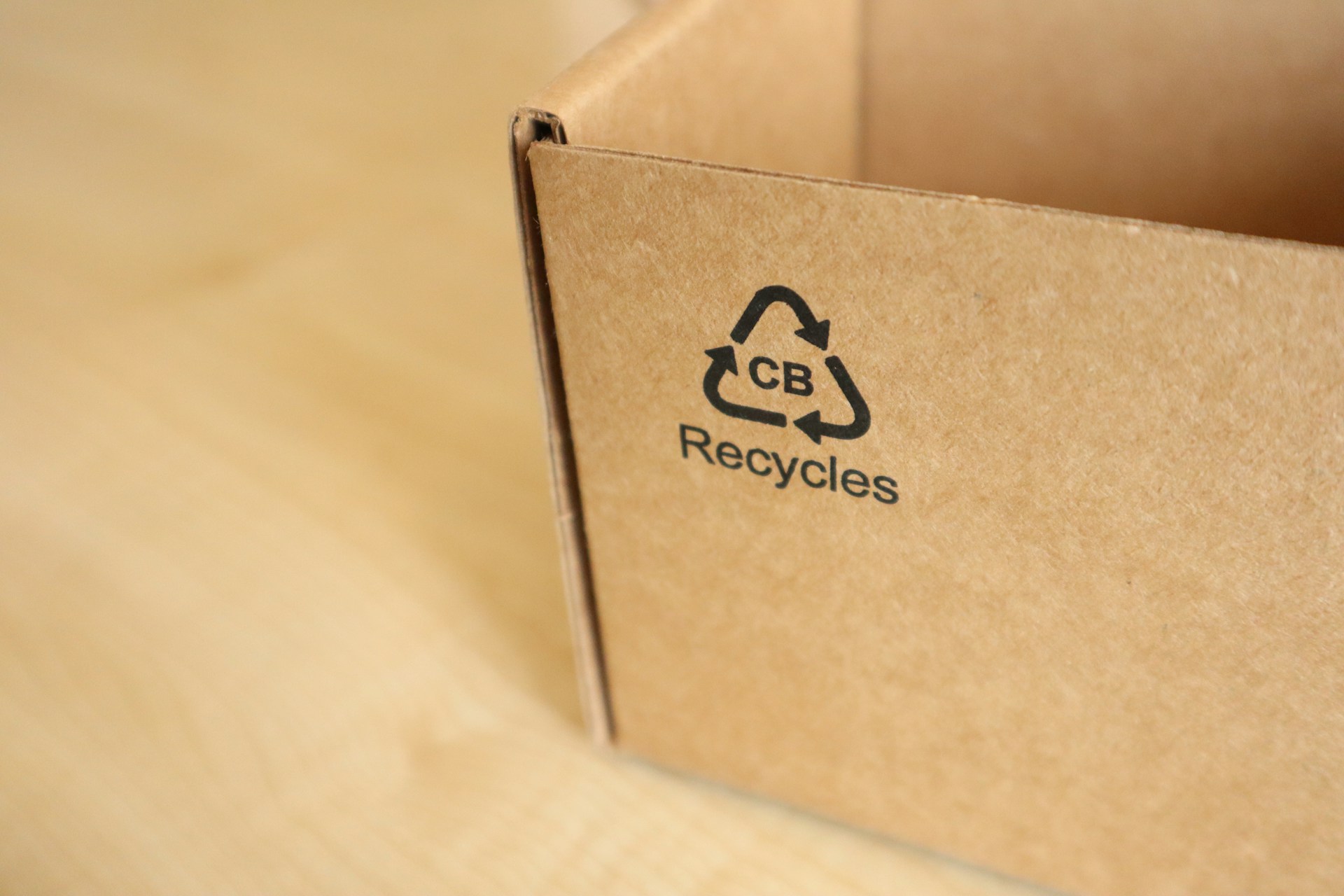
- Recycling instructions
- Manufacturer contact information
Clear labeling allows customers to compare products and make informed purchasing decisions.
Branding and Marketing
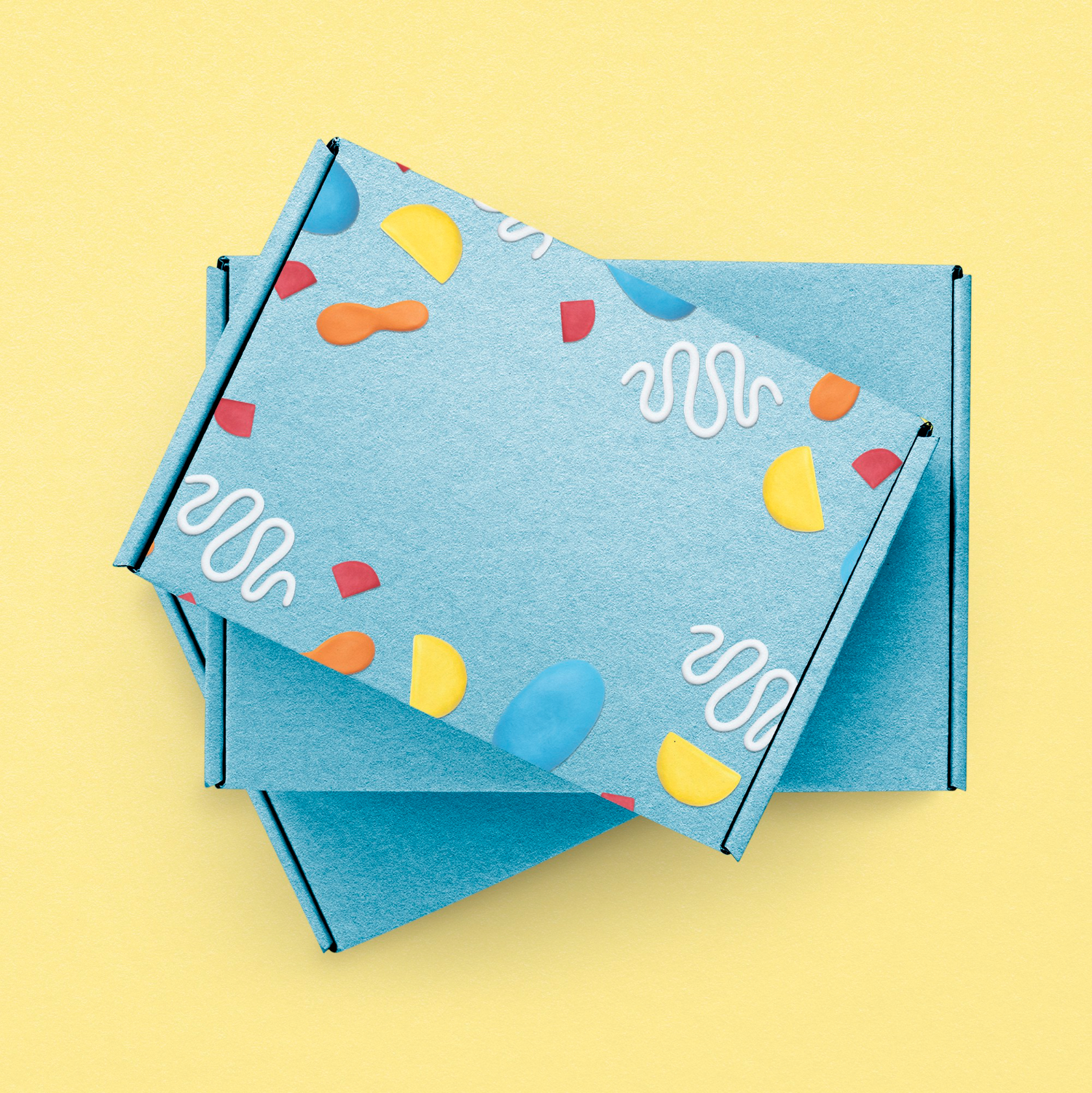
Product packaging acts as a marketing tool. A distinctive combination of colors, typography, graphics, shape, and materials can help shoppers recognize a brand quickly.
Well-designed packaging can attract attention, explain a product’s benefits, and distinguish it from competing items. This is why packaging is sometimes described as a “silent salesperson.”
Businesses interested in the commercial side of product presentation can explore more articles in the business section.
Convenience
Good packaging makes a product easier to carry, store, open, close, measure, or use. Examples include resealable food bags, pump bottles, easy-open cartons, handles, and individual portions.
Convenient packaging improves the customer experience and can make people more likely to purchase the product again.
What Are the Three Levels of Packaging?
Packaging is commonly divided into three levels according to its purpose and proximity to the product.
1. Primary Packaging
Primary packaging comes into direct contact with the product. It protects and contains the item until the consumer uses it.
Examples include:
- Beverage bottles
- Food wrappers
- Cosmetic jars
- Medicine blister packs
- Shampoo containers
Primary packaging must usually meet strict requirements for safety, cleanliness, and compatibility with the product.
2. Secondary Packaging
Secondary packaging groups or surrounds one or more primary packages. It may offer additional protection while also improving product presentation.
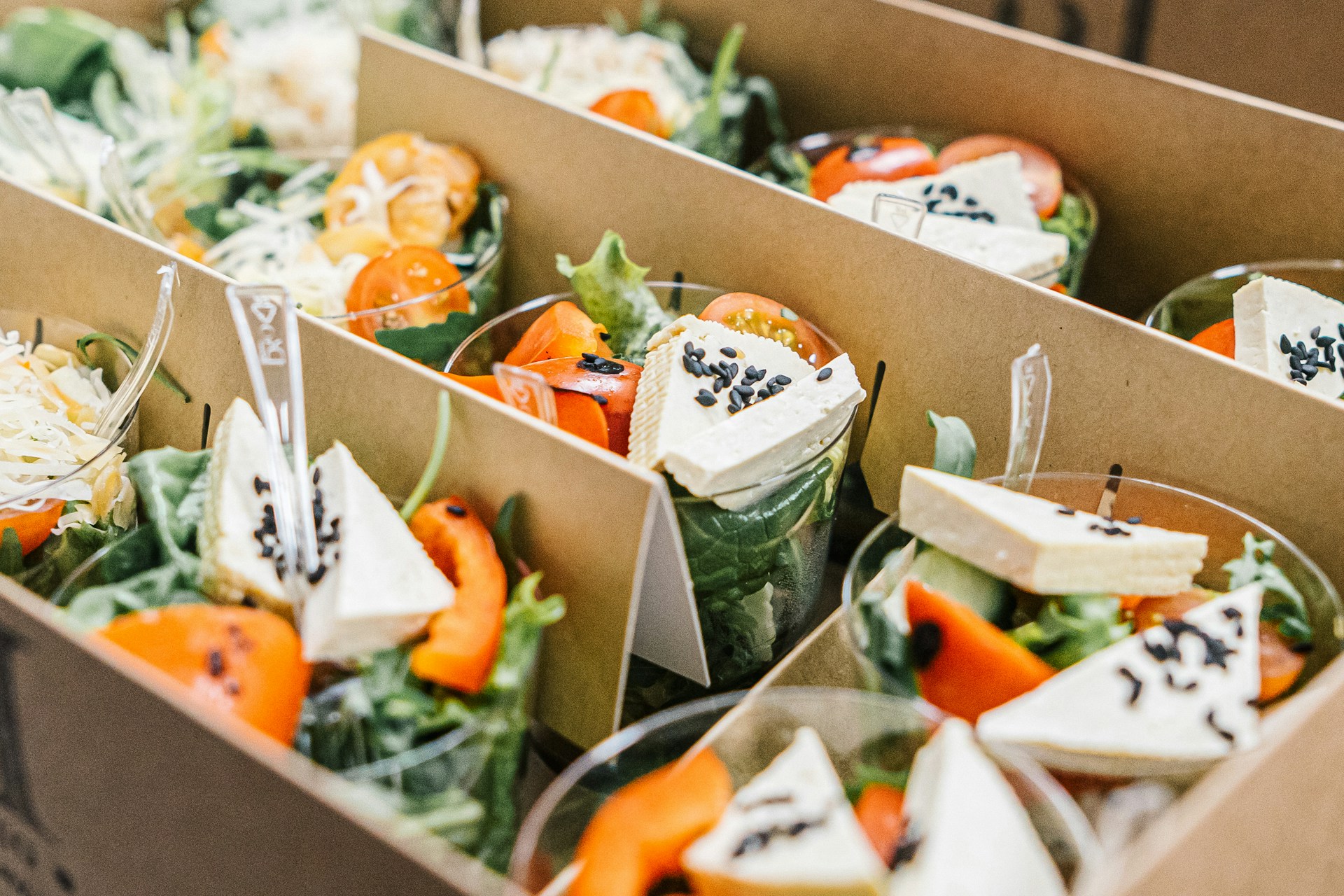
Examples include toothpaste boxes, beverage multipacks, cosmetic cartons, and retail display boxes.
Because secondary packaging often displays branding, printed information, and promotional graphics, its appearance is especially important. Visit the website’s printing section to learn more about printing methods and applications.
3. Tertiary Packaging
Tertiary packaging is mainly used for bulk storage, shipping, and distribution. Consumers may never see it because retailers often remove it before placing products on shelves.
Examples include:
- Shipping cartons
- Pallets
- Stretch film
- Large crates
- Industrial containers
Its main purpose is to help businesses move large quantities of goods safely and efficiently.
Common Packaging Materials
The right packaging material depends on the product’s weight, fragility, shelf life, storage conditions, budget, and environmental requirements.
Paper and Cardboard
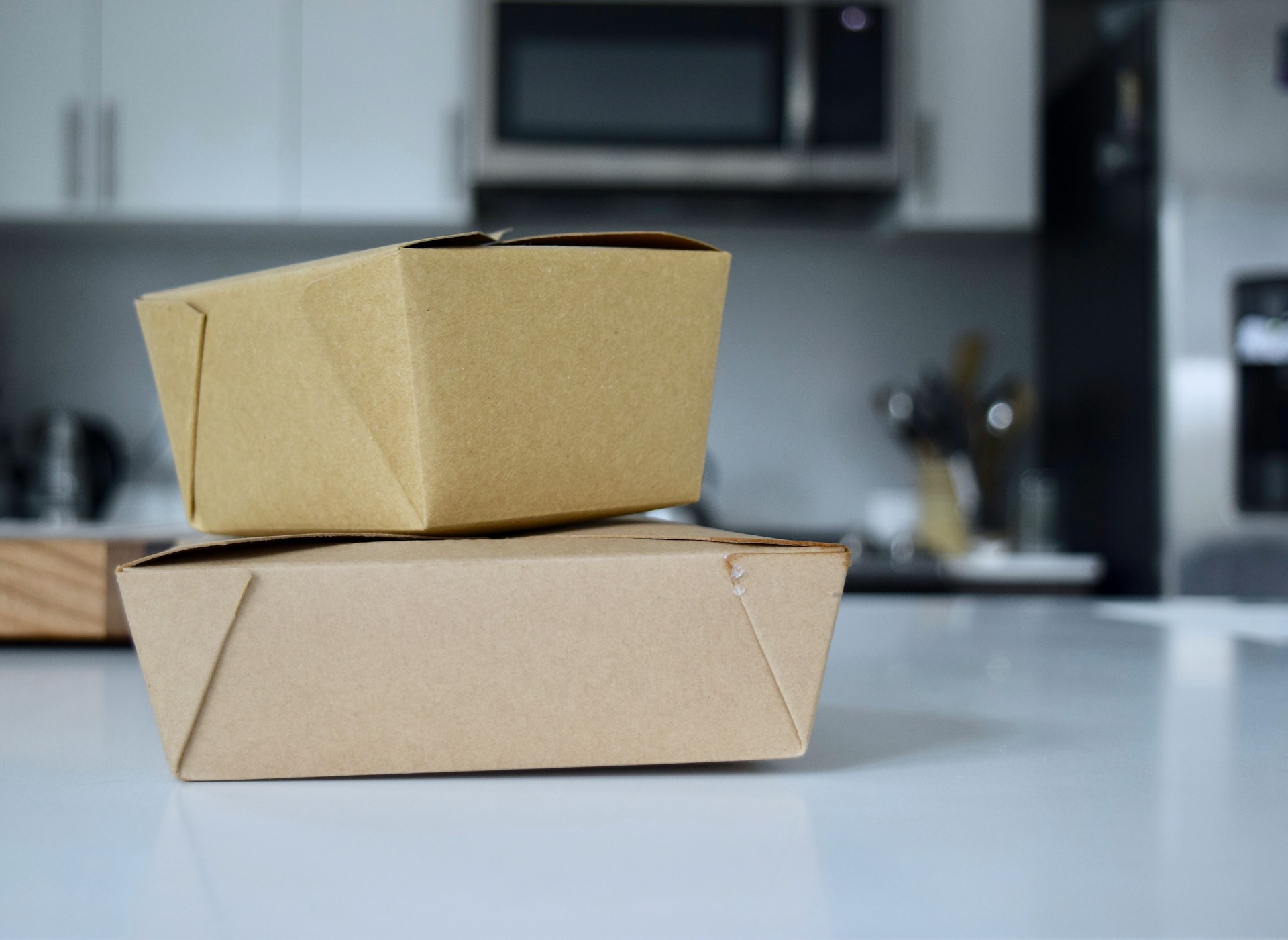
Paper and cardboard are frequently used for bags, cartons, sleeves, labels, and shipping boxes. These materials are lightweight, printable, customizable, and widely recyclable where suitable facilities are available.
Plastic
Plastic can be formed into bottles, containers, trays, films, and flexible pouches. It is lightweight and resistant to moisture, but its environmental impact has encouraged businesses to reduce unnecessary plastic and consider recyclable or reusable alternatives.
Glass
Glass is commonly used for beverages, food, cosmetics, and pharmaceutical products. It does not easily react with its contents and can create a premium appearance. Its disadvantages include weight and the risk of breakage.
Metal
Aluminum and steel are used for food cans, beverage cans, tins, and aerosol containers. Metal offers strong protection and can help products achieve a long shelf life.
Wood
Wooden crates, boxes, and pallets are mainly used for transportation, industrial products, and premium presentation. Wood is strong, but it may be heavier and more expensive than paper-based options.
For a deeper comparison of formats and materials, read the ultimate guide to packaging types.
What Makes Packaging Effective?
Successful packaging balances protection, cost, appearance, convenience, and environmental responsibility. Before selecting a design, a business should consider:
- Whether the material protects the product adequately
- How the package will be stored and transported
- Whether customers can open and use it easily
- How clearly it communicates essential information
- Whether its design reflects the brand
- How much material it uses
- Whether it can be reused, recycled, or disposed of responsibly
The best-looking package is not necessarily the most effective. Packaging must first be suitable for the product and its journey through the supply chain.
Packaging vs. Packing: What Is the Difference?
Although the terms are related, packaging and packing do not always mean the same thing.
Packaging usually refers to the containers, materials, design, and information used to protect and present a product. Packing generally describes the action of placing products into boxes or other containers for storage or transportation.
For example, designing a branded cereal box is packaging, while placing multiple cereal boxes into a shipping carton is packing.
Final Thoughts
Packaging is the system of materials and containers used to protect, store, transport, communicate, and present products. It includes everything from a product’s immediate wrapper to the pallet used for bulk shipping.
For businesses, effective packaging can reduce damage, strengthen branding, and improve the customer experience. For consumers, it protects products while providing convenience, safety information, and instructions. Understanding these functions makes it easier to see why packaging is an essential part of modern commerce.
Frequently Asked Questions
What is packaging in simple words?
Packaging is the material or container used to cover, protect, store, transport, and present a product.
What is the main purpose of packaging?
Its main purpose is to protect a product from damage, contamination, and deterioration. Packaging can also provide information, support branding, and make a product easier to use.
What are the three types of packaging?
The three main levels are primary packaging, secondary packaging, and tertiary packaging.
What is an example of packaging?
A bottle of juice is primary packaging, the carton holding several bottles is secondary packaging, and the shipping pallet is tertiary packaging.
Why is packaging important for a business?
Packaging helps a business protect its products, communicate information, build brand recognition, improve transportation, and attract customers.