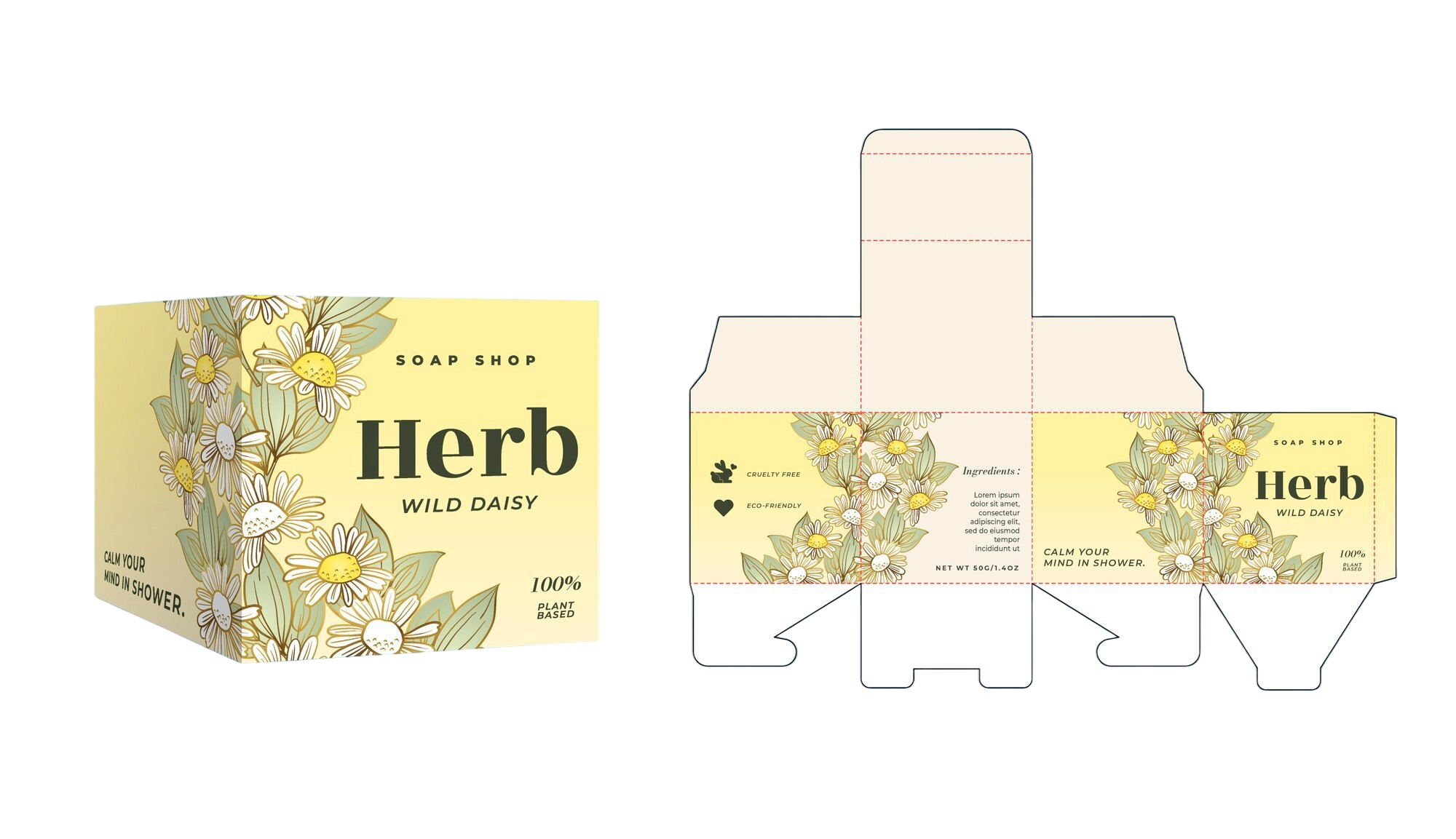
Packaging has only a few seconds to attract attention, communicate value, and convince a customer to take a closer look. However, effective packaging must do more than look attractive. It should protect the product, represent the brand, provide useful information, and create a convenient customer experience.
That makes packaging design both a creative and strategic marketing decision.
The following packaging design best practices can help marketers create packaging that performs well on retail shelves, in online stores, and throughout the customer journey.
Why Is Packaging Design Important?
Packaging is the material or container used to protect, store, transport, present, and sell a product. Our guide explaining what packaging is provides a detailed introduction to its functions and importance.
For marketers, packaging is also an important brand communication channel. A strong design can:
- Capture customer attention
- Communicate product benefits
- Increase brand recognition
- Support premium positioning
- Differentiate a product from competitors
- Improve the unboxing experience
- Encourage repeat purchases
- Build customer trust
Even a great product may struggle if its packaging looks confusing, outdated, or inconsistent with customer expectations.
1. Design Around the Product
Start with the product rather than the artwork. Consider its size, shape, weight, fragility, shelf life, and sensitivity to moisture, air, light, or temperature.
A glass product may require inserts and cushioning, while coffee may need packaging that protects it from oxygen and moisture. The design should solve these practical problems before decorative elements are added.
The appropriate design can also depend on whether it is being created for primary, secondary, or tertiary packaging. Read our comparison of primary, secondary, and tertiary packaging to understand how each layer functions.
2. Understand the Target Customer
Successful packaging is designed for a particular audience. Marketers should understand who is buying the product, what those customers value, where they shop, and what information influences their decisions.
A children’s product may use bright colors and playful illustrations. Luxury skincare packaging may use simple typography, controlled colors, and premium finishes. A health-focused food brand may prioritize clear ingredients, nutritional information, and transparent product claims.
Do not design only around personal preferences. Base important decisions on customer research, competitor analysis, and actual buying behavior.
3. Make the Brand Instantly Recognizable
Packaging should feel like a natural extension of the brand. Use logos, colors, typography, photography, illustrations, and messaging consistently across the product range.
Consistency does not mean every package must look identical. Different flavors, sizes, or product categories can use unique colors and graphics while maintaining a recognizable visual system.
Ask whether customers could identify the brand if they saw the package from a distance or briefly scrolled past it online. If the design could belong to almost any company, the brand identity may need to be stronger.
4. Create a Clear Visual Hierarchy
Visual hierarchy determines what customers notice first, second, and third. Without it, packaging can feel crowded and difficult to understand.
A typical hierarchy might include:
- Brand name
- Product name
- Main benefit or differentiator
- Flavor, size, or variety
- Supporting information
The most important message should receive the greatest visual emphasis. Size, color, contrast, spacing, and placement can guide attention without requiring more text.
Avoid making every element large or bold. When everything demands attention, nothing feels important.
5. Communicate the Main Benefit Quickly
Customers should be able to understand what the product is and why it matters within a few seconds.
Choose one primary message rather than filling the front panel with every possible feature. This message could focus on convenience, flavor, performance, ingredients, durability, or another meaningful benefit.
For example, “Ready in 60 Seconds” communicates more value than a vague phrase such as “A New Way to Enjoy Quality.”
Additional details can appear on the side or back panels. The front should remain focused, clear, and easy to scan.
6. Keep Text Readable
Attractive typography is useless when customers cannot read it. Use suitable font sizes, strong contrast, and sufficient spacing between elements.
Avoid placing thin text over complicated photographs or patterns. Important information should remain readable under different lighting conditions and at the actual printed size.
Marketers should also review:
- Ingredient and instruction text
- Warnings and disclaimers
- Product quantity
- Barcodes and QR codes
- Contact information
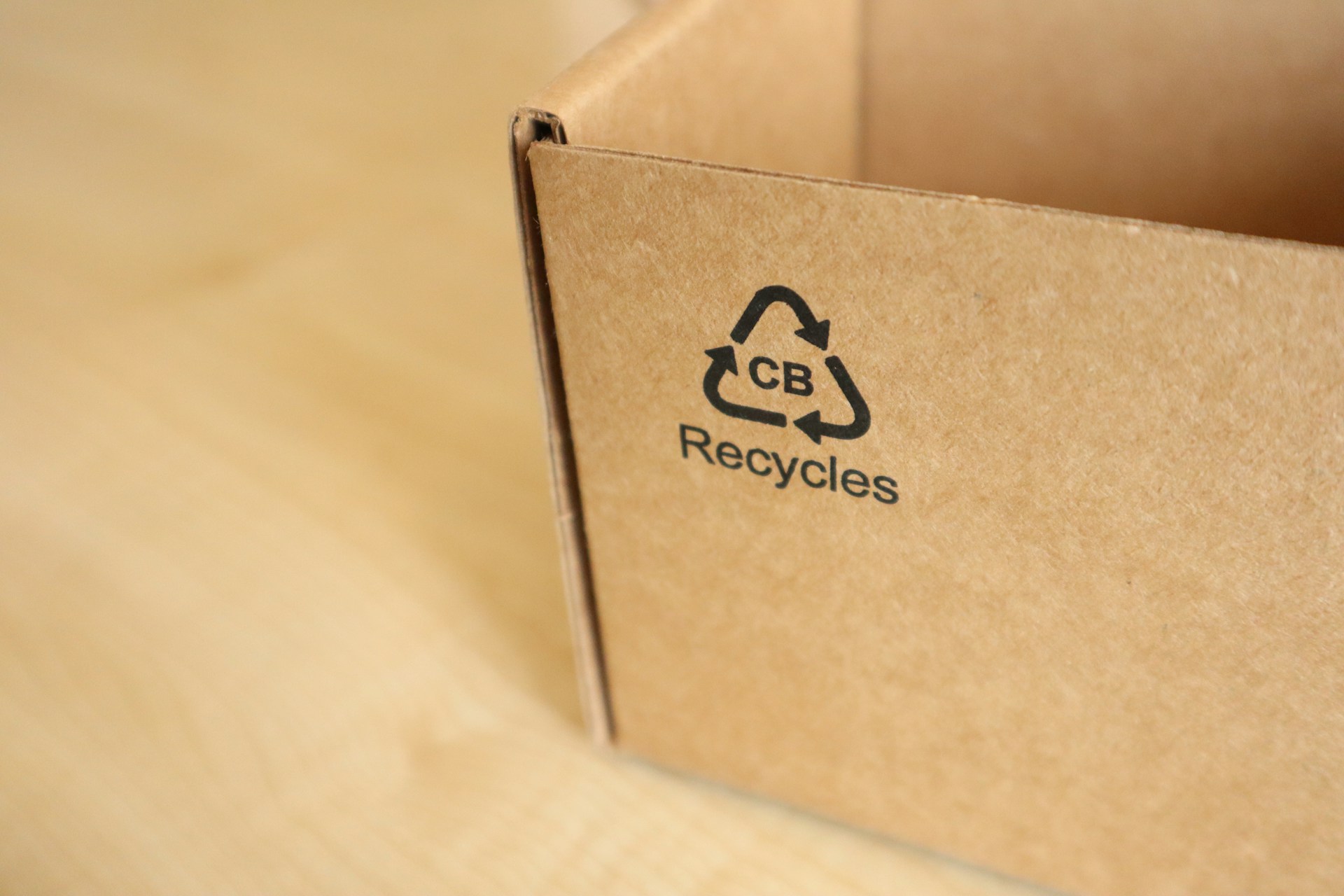
- Recycling or disposal directions
Always evaluate a physical prototype. Text that looks clear on a large computer screen may become difficult to read once printed.
7. Select Materials Early
Material selection affects color reproduction, printing methods, finishes, structure, shipping weight, sustainability, and cost. It should not be postponed until the final design stage.
Paperboard, corrugated cardboard, plastic, glass, metal, wood, and flexible materials each create a different visual and physical experience. The chosen material should support both the product’s protection requirements and the brand’s positioning.
Our guide to different types of packaging explains how packages can be classified according to level, structure, material, and intended use.
8. Design for Retail and E-Commerce
Retail packaging must attract attention on a shelf surrounded by competing products. E-commerce packaging must work in smaller product images, survive transportation, and create a positive unboxing experience.
A design that looks impressive in person may become unclear when displayed as a small online thumbnail. Test whether the brand name, product type, and primary benefit remain recognizable on mobile screens.
For e-commerce packages, consider using:
- Branded interior printing
- Simple opening instructions
- Protective inserts
- Personal thank-you messages
- QR codes linking to useful content
- Resealable or reusable features
The shipping box can become part of the customer experience rather than an ordinary delivery container.
9. Make the Package Convenient
Good packaging should be easy to open, carry, use, store, reseal, and dispose of. Convenience can be a meaningful competitive advantage.
Consider whether customers can:
- Open the package without extra tools
- Remove the product without damaging it
- Understand how to use the product
- Reseal it when necessary
- Store it efficiently
- Identify appropriate disposal instructions
Marketers and designers should observe how real customers interact with prototypes. Small frustrations can lead to negative reviews even when the product itself performs well.
10. Prepare the Design for Production
A digital mockup is not enough to confirm that a design will print correctly. Designers should work with accurate dielines and understand the printer’s production requirements.
Check:
- Bleed and safety margins
- Cut and fold lines
- Color modes and color accuracy
- Image resolution
- Barcode placement and scanning
- Coatings and special finishes
- Adhesive areas
- Material thickness
- Required labeling space
Request printed samples before approving a large production run. A prototype may reveal alignment problems, weak contrast, damaged text, or structural issues that were not visible on screen.
11. Use Sustainability Claims Carefully
Sustainability can influence packaging decisions, but vague environmental language can create legal and reputational risks.
The Federal Trade Commission’s Green Guides advise marketers against broad, unqualified environmental claims such as “green” or “eco-friendly.” Environmental benefits should be clear, specific, and supported by reliable evidence.
Instead of saying “environmentally friendly package,” use a precise statement when it can be substantiated, such as:
- “Made with 50% post-consumer recycled material”
- “Designed to use 20% less material than our previous package”
- “Check locally for recycling availability”
- “Reusable through our container-return program”
Marketers should also confirm whether collection or composting facilities are realistically available to the customers receiving the package.
12. Test Before Launching
Packaging decisions should not be based entirely on internal opinions. Test several concepts with people who represent the target audience.
Testing can evaluate:
- Brand recognition
- Product understanding
- Shelf visibility
- Visual appeal
- Message clarity
- Ease of opening
- Perceived value
- Purchase intent
Use physical prototypes whenever possible. Place them beside competing products, photograph them under store-like lighting, and display them as online thumbnails.
Testing does not need to be complicated. Even a small group can reveal confusing messages or usability problems that the design team overlooked.
Packaging Design Process
A structured process helps reduce expensive changes later.
| Stage | Main objective |
|---|---|
| Research | Understand the product, audience, competitors, and sales environment |
| Strategy | Define positioning, message, required information, and design goals |
| Structure | Select the format, material, dimensions, and opening method |
| Concept | Develop several visual directions |
| Prototype | Produce digital and physical mockups |
| Testing | Evaluate appearance, usability, protection, and customer response |
| Production | Finalize artwork and complete technical checks |
| Review | Measure feedback, damage, returns, and sales performance |
Packaging design should continue improving after launch. Customer reviews, support requests, return rates, and sales data may reveal opportunities for the next version.
Common Packaging Design Mistakes
Some of the most common problems include:
- Using too much text on the front panel
- Copying competitor designs too closely
- Choosing style over product protection
- Using fonts that are difficult to read
- Hiding the product’s main benefit
- Ignoring how the design appears online
- Waiting too long to involve manufacturers
- Making unsupported environmental claims
- Skipping physical prototypes
- Creating packaging that is frustrating to open
Avoiding these mistakes can save time, reduce production expenses, and protect the customer experience.
Packaging Design Checklist
Before approving the final design, ask:
- Is the brand immediately recognizable?
- Can customers identify the product quickly?
- Is the main benefit clear?
- Is all text readable at actual size?
- Does the package protect the product?
- Is it easy to open, use, and store?
- Does it work in stores and online?
- Have required claims and labels been reviewed?
- Are environmental statements specific and supportable?
- Has a printed prototype been tested?
Final Thoughts
The best packaging combines strategy, creativity, function, and customer understanding. It does not simply make a product look attractive; it helps customers recognize the brand, understand the offer, use the product, and feel confident about their purchase.
By following these packaging design best practices, marketers can create packaging that protects the product while supporting stronger branding and better customer experiences.
For additional information about packaging materials, applications, and emerging developments, read our ultimate guide to packaging or explore our complete packaging resource center.
Frequently Asked Questions
What makes a good packaging design?
Good packaging protects the product, represents the brand, communicates important information, attracts the intended audience, and provides a convenient experience.
What is the most important packaging design principle?
Clarity is one of the most important principles. Customers should quickly understand the product, brand, primary benefit, and relevant variety or size.
How can packaging design increase sales?
Effective design can improve shelf visibility, communicate product value value, strengthen brand recognition, and increase customer confidence. These factors can support purchase decisions.
Should packaging design be simple?
Packaging should be as simple as the product and audience allow. Simplicity can improve readability and recognition, but the design must still provide required information and appropriate brand personality.
How do you test packaging design?
Marketers can test packaging through customer interviews, shelf comparisons, online thumbnail tests, physical prototypes, usability studies, and limited product launches.