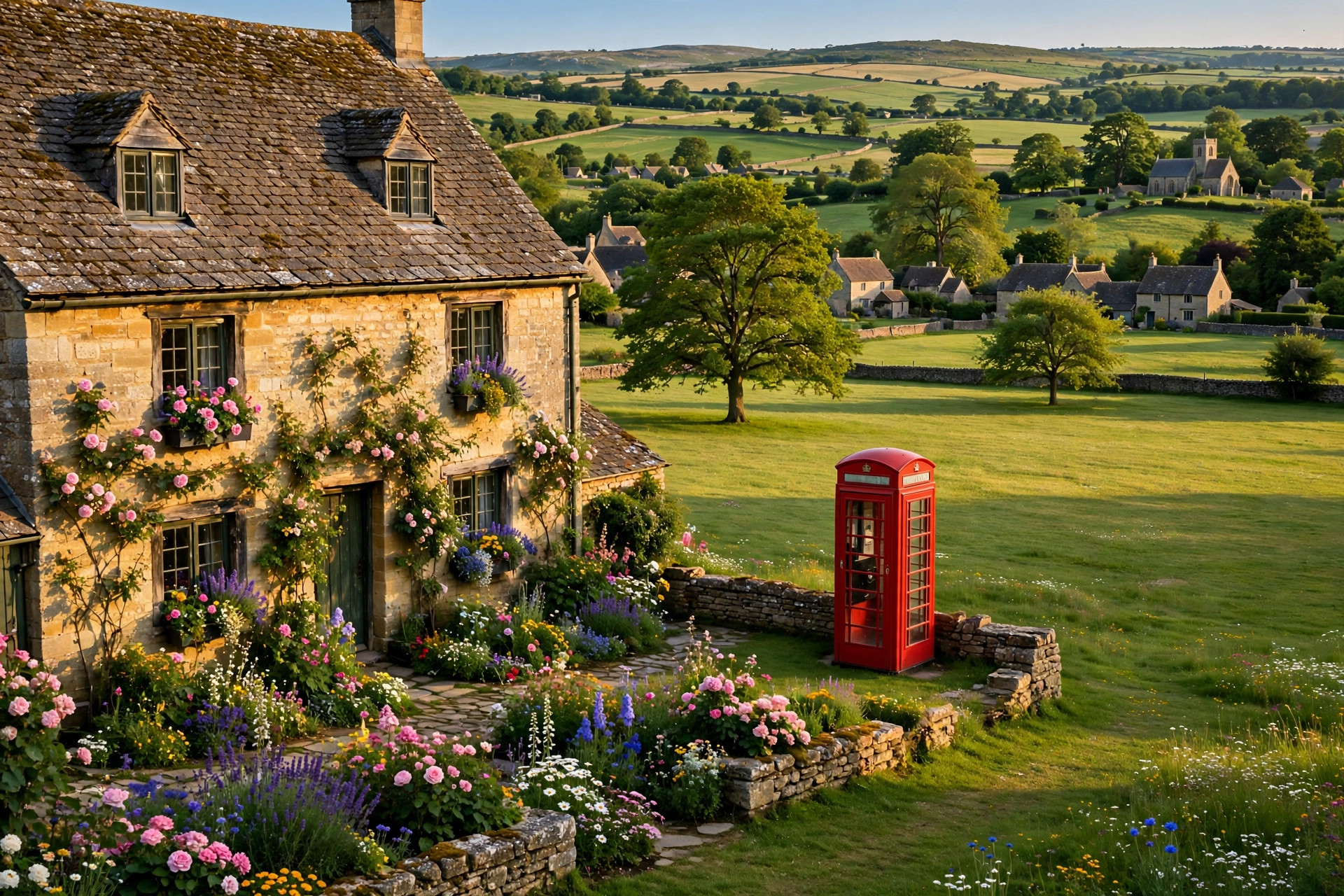
An old song comes on the radio, and suddenly you are twelve years old again, sitting in the back of your parents’ car on a summer evening. The smell of rain, a photograph in a drawer, the taste of a sweet you have not had in years — small things can open a door to the past in an instant. That warm, aching feeling has a name, and the nostalgia meaning is simple at heart: a sentimental longing for the past, especially for a time or place that felt happier or simpler. Like learning what wanderlust means, understanding nostalgia starts with the feeling behind the word — in this case, a longing not for somewhere new, but for somewhere you have already been.
Nostalgia is one of the most universal human feelings. Almost everyone has felt it, whether for a childhood home, a school friendship, a first love, or simply a time when life felt easier. It can be sweet, sad, or both at once, and it shows up in music, films, photographs, and everyday conversation. This guide explains what nostalgia means, where the word came from, how to use it well, and the mistakes that make it sound like simple sentimentality.
What Does Nostalgia Mean?
Nostalgia means a sentimental longing or wistful affection for the past, typically for a period or place with happy personal associations. It is the feeling you get when a memory feels so warm and vivid that you wish you could step back into it, even for a moment. A person feeling nostalgia might miss their childhood summers, their old neighbourhood, or the early days of a friendship — not because the past was perfect, but because it mattered to them.
The word is a noun, and it usually appears with verbs like “feel” or in phrases like “a wave of nostalgia” or “a sense of nostalgia.” You can also describe something as “nostalgic” — the adjective form — as in “a nostalgic song” or “she felt nostalgic looking at old photographs.” Both forms describe the same bittersweet mix: pleasure at remembering, and a small ache that the moment is gone.
Nostalgia is not quite the same as remembering. Remembering is neutral — you can remember a dentist appointment without feeling anything about it. Nostalgia is emotional. It colours the memory golden, focuses on what was good, and often smooths over the difficult parts. That is why two people can remember the same summer very differently: one with nostalgia, and the other with a shrug. The feeling, not the facts, is what makes it nostalgia.
Where Did Nostalgia Come From?
Nostalgia comes from Greek, and its roots tell the whole story of the word. It combines nostos, meaning “homecoming” or “return home,” with algos, meaning “pain” or “ache.” Put together, nostalgia literally means the pain of longing to return home. The word was coined in the late 1600s by a Swiss medical student, Johannes Hofer, who used it to describe the severe homesickness felt by Swiss soldiers serving far from their mountains.
At first, nostalgia was treated as a medical condition. Doctors in the 1700s and 1800s wrote about it as a real illness, with symptoms like sadness, loss of appetite, and sleeplessness, and they believed it could even be fatal if the sufferer could not return home. Soldiers, sailors, and students far from home were thought to be especially at risk. It was only in the twentieth century that the word softened into what it means today: a normal, everyday emotion that almost everyone feels from time to time.
That history explains why nostalgia still carries a hint of ache. It is a pleasant feeling, but it is never purely happy — there is always a small sadness underneath, because the thing you long for is out of reach. The past cannot be visited the way a place can. Like discovering what serendipity means, tracing nostalgia back to its Greek roots shows how a word that began as a diagnosis became one of the most familiar names for a feeling in everyday English.
How to Use Nostalgia in a Sentence
Use nostalgia when you want to describe a warm, emotional longing for the past — not a plain memory, but a memory that moves you. It works best when the feeling itself is the point of the sentence. Here are some example sentences:
- “The smell of fresh bread filled her with nostalgia for her grandmother’s kitchen.”
- “He felt a wave of nostalgia when he drove past his old school for the first time in twenty years.”
- “The film is full of nostalgia for the 1980s, from the music to the clothes to the old arcade games.”
- “Looking through the photo album, we spent the whole evening lost in nostalgia.”
The word pairs naturally with memories, childhood, home, and the senses. A nostalgic moment can feel ephemeral — there for a second, then gone, like the scent of rain on a summer pavement. Music is one of the strongest triggers: a song you have not heard in years can bring back a whole season of your life in the space of a few notes, and that sudden rush of feeling is nostalgia at its purest.
You can also use the adjective nostalgic to describe things that cause the feeling. A nostalgic film, a nostalgic meal, a nostalgic place — all of these are things that remind you of a happier past. The word is flexible, and it works in both casual conversation and serious writing, because the feeling it names is one that everyone recognises.
Nostalgia vs. Homesickness: What Is the Difference?
Nostalgia and homesickness are close cousins, and they share the same Greek roots, but they are not quite the same thing. Homesickness is a longing for a specific place — usually your home, your family, and your familiar surroundings — while you are away from it. It is tied to the present: you are here, and home is there, and you want to go back. Nostalgia is broader. It can be for a time as much as a place, and you can feel it while sitting in your own living room.
The difference is also one of feeling. Homesickness is mostly painful; it is an ache that you want to fix by going home. Nostalgia is bittersweet: the pleasure of the memory and the sadness of its passing sit side by side, and people often enjoy the feeling even while it stings a little. That is why people seek out nostalgic things on purpose — old songs, old films, reunion dinners — while nobody seeks out homesickness.
There is also a difference between nostalgia and simply living in the past. A little nostalgia is healthy; it connects you to who you were and what mattered to you. But when nostalgia becomes a belief that everything was better before and nothing now is worthwhile, it stops being a warm feeling and starts being a trap. The healthiest nostalgia is the kind that lets you visit the past and come back — grateful for the memory, but still living in the present. If you want a word for the kind of beauty that makes a moment feel golden and lasting, read what luminous means, because a luminous memory is often the one nostalgia keeps returning to.
Common Mistakes When Using Nostalgia
The most common mistake is using nostalgia when you simply mean “remembering.” Remembering that you had toast for breakfast is not nostalgia. Nostalgia needs emotion: a longing, a warmth, a wish to return. If the memory does not move you, plainer words like “remember” or “recall” will do the job better, and the sentence will sound more honest.
The second mistake is assuming nostalgia is always about childhood. People can feel nostalgic for last year, for a job they left, for a city they lived in for a single summer, or even for a version of themselves they have outgrown. The feeling is about personal meaning, not about how long ago something happened. A song from three years ago can be just as nostalgic as a song from thirty years ago, if those three years mattered to you.
The third mistake is treating nostalgia as pure happiness. Real nostalgia is always a little sad, because it carries the knowledge that the moment is gone. Writing about it as if the past were perfect misses the point — and it can make the writing feel sentimental rather than sincere. The best descriptions of nostalgia hold both sides at once: the warmth of the memory and the ache of its distance. And remember that some words name feelings so precisely that they feel like they were invented for them; if you want another one, read what mellifluous means — it is the kind of beautiful, precise word that sits naturally beside nostalgia in any writer’s vocabulary.
Frequently Asked Questions
What does nostalgia mean in simple terms?
Nostalgia means a sentimental longing for the past. It is the warm, slightly sad feeling you get when you remember a time, place, or person from your earlier life and wish you could experience it again.
Where does the word nostalgia come from?
Nostalgia comes from the Greek words “nostos,” meaning homecoming, and “algos,” meaning pain. It was coined in the late 1600s by Swiss medical student Johannes Hofer to describe the severe homesickness of soldiers serving far from home.
Is nostalgia a good feeling or a bad feeling?
It is both at once, which is what makes it distinctive. Nostalgia feels warm and pleasurable because it reconnects you with happy memories, but it also carries a small sadness because the moment is gone. Most people find the mix comforting rather than upsetting.
Can you feel nostalgic for something recent?
Yes. Nostalgia is about personal meaning, not about how much time has passed. You can feel nostalgic for last summer, a job you left a year ago, or a friendship that changed recently, as long as the memory carries real emotional weight for you.
What is the difference between nostalgia and homesickness?
Homesickness is a longing for a specific home or place while you are away from it, and it is mostly painful. Nostalgia is broader: it can be for a time as much as a place, you can feel it at home, and it mixes pleasure with sadness rather than being purely an ache.
More Articles You’ll Like
Keep reading — more from this category and across the site:
- What Does ‘Petrichor’ Mean? Meaning, Origin, and Examples
- What Does ‘Sonder’ Mean? Meaning, Origin, and Examples
- What Does ‘Ineffable’ Mean? Meaning, Origin, and Examples
- What Does ‘Limerence’ Mean? Meaning, Origin, and Examples
- What Does ‘Ubiquitous’ Mean? Meaning, Origin, and Examples
- What Does ‘Halcyon’ Mean? Meaning, Origin, and Examples
- What Does ‘Quintessential’ Mean? Meaning and Examples
- What Does ‘Verdant’ Mean? Meaning, Origin, and Examples
- 50 Funny Candy Cane Jokes for Kids and Adults to Share
- How to Choose the Right Paper for Printing: A Guide