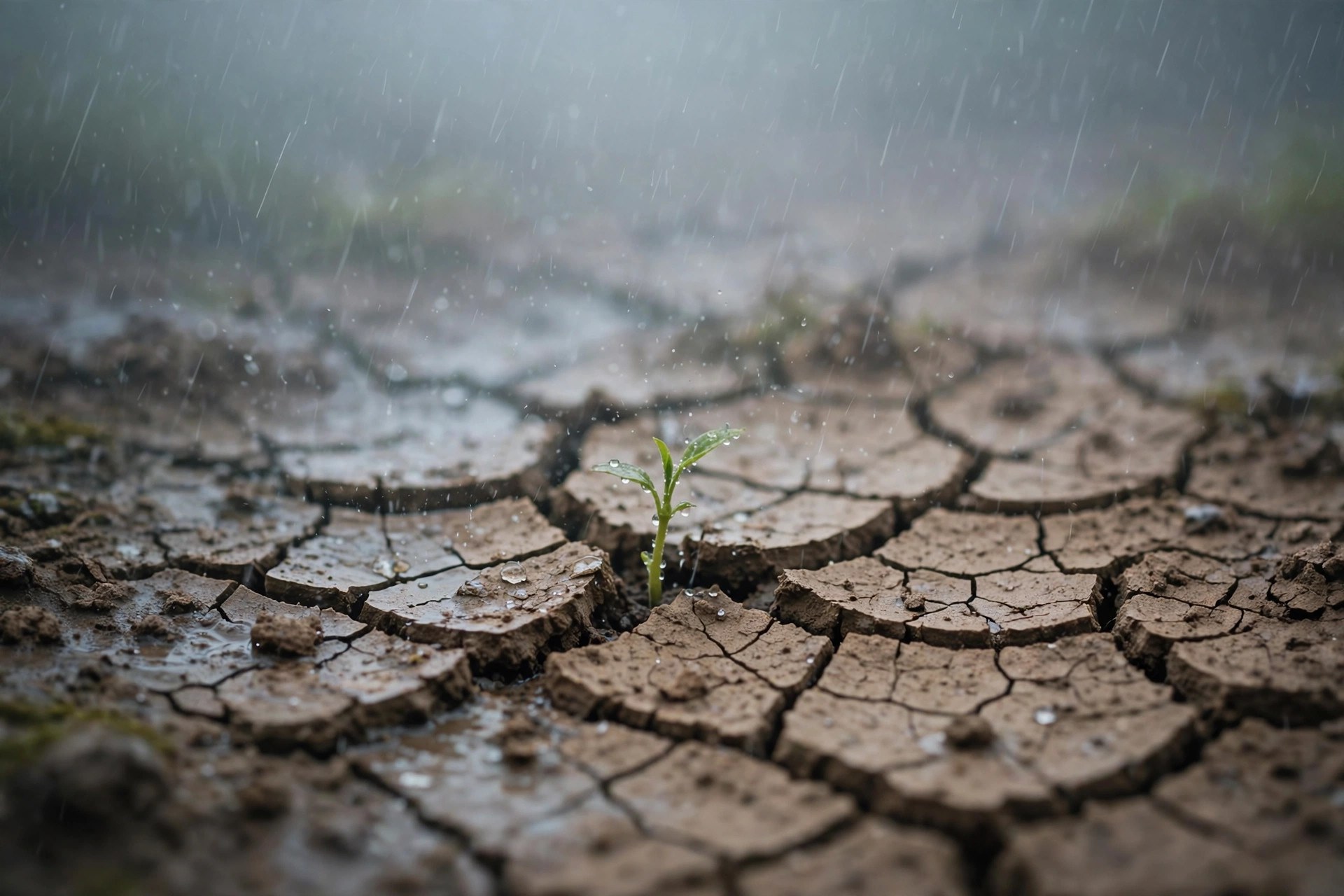
Some things are beautiful precisely because they do not last. A sunset that burns orange for ten minutes and then is gone, a snowflake that melts on your glove, a song on the radio you will never quite hear again — these are the moments the word ephemeral was made for. If you have ever wondered what does ephemeral mean, the simplest answer is that it describes something lasting for a very short time. But the word carries far more feeling than a plain synonym like “temporary” ever could. It suggests beauty, fragility, and the quiet ache of knowing something will end. In this guide, you will learn the full meaning of ephemeral, where it comes from, how to pronounce it, and how to use it naturally in your own sentences.
What Does Ephemeral Mean?
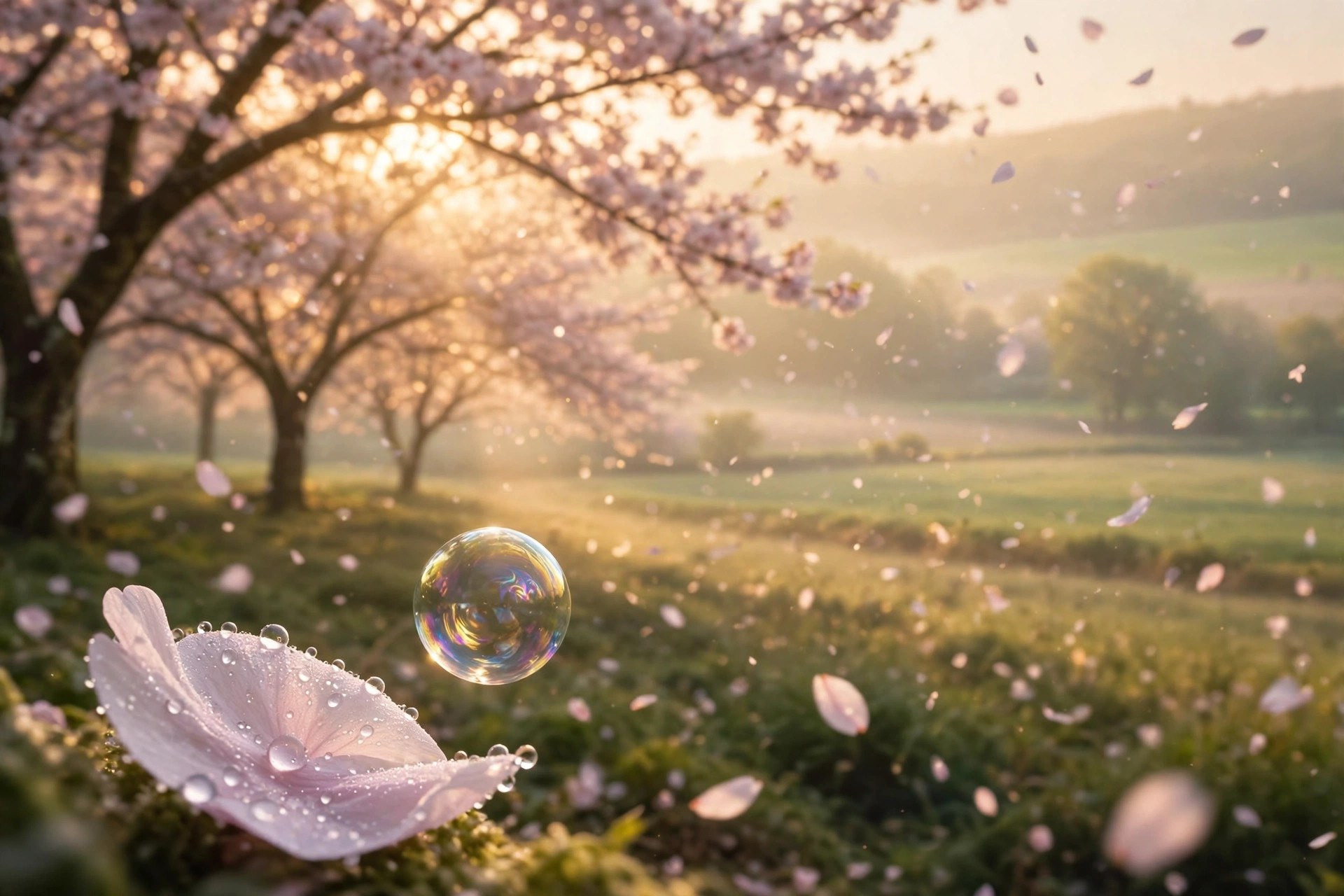
Ephemeral is an adjective meaning lasting for a very short time — here for a moment, and then gone. The dictionary definition is simple: something ephemeral lasts only a day, or only a brief period, before it disappears. But in everyday use, the word almost always describes things that are short-lived by nature, not things that were cut short by accident. A cherry blossom is ephemeral. A soap bubble is ephemeral. A summer romance, a viral trend, a perfect wave — all ephemeral.
What sets ephemeral apart from other words for “short-lived” is its tone. It is rarely used for something dull or mechanical. Nobody calls a delayed train ephemeral. Instead, the word tends to show up when something brief is also lovely, precious, or worth noticing. That is why poets, writers, and photographers love it: it packs an entire attitude into a single word — this mattered, and it is already passing.
An ephemeral moment is also easy to miss if you are not paying attention, much like the happy accident of serendipity, when something good finds you by chance. Both words ask you to slow down and notice what is right in front of you, because it will not be there for long.
The Origin of Ephemeral
Ephemeral comes from the Greek word ephēmeros, meaning “lasting only a day.” It is built from two parts: epi-, meaning “upon” or “for,” and hēmera, meaning “day.” Put together, the literal sense is “lasting for a day” — something that lives its whole life between one sunrise and the next.
The word entered English in the late 16th century, and its first uses were medical and scientific. Doctors described an “ephemeral fever” as one that lasted a single day, and botanists used the word for plants whose flowers open in the morning and wither by evening. The daylily is a classic example: each bloom lasts about a day, even though the plant itself returns year after year.
The same Greek root gives us the scientific name for mayflies, Ephemeroptera, the order of insects whose adult lives famously last only a day or two. From medicine and nature, the word gradually widened into general use, until it could describe anything brief: fame, fashion, feelings, or a moment of perfect light.
How to Pronounce Ephemeral
Ephemeral is pronounced e-FEM-er-al, with the stress on the second syllable. It has four syllables: e-phem-er-al, roughly “eff-EM-er-al.” The first vowel is a soft, unstressed “e,” like the “e” in “about,” and the final syllable is a quick, unstressed “al.”
The noun form is ephemera (pronounced e-FEM-er-a), which refers to things designed to last only a short time — tickets, posters, postcards, and paper keepsakes. Collectors of ephemera treasure exactly the objects most people throw away. The adverb is ephemerally, as in “the light shone ephemerally through the trees.”
Ephemeral vs Temporary, Fleeting, and Eternal
Ephemeral has several close neighbours in English, and choosing between them is mostly a matter of tone and context.
Ephemeral vs Temporary
Temporary is the neutral, practical word. A temporary job, a temporary road closure, a temporary password — these things are short-lived because someone planned it that way, and they will be replaced. Ephemeral, by contrast, suggests something that is brief by its very nature, and often beautiful. A temporary tattoo is a product; an ephemeral sunset is an experience.
Ephemeral vs Fleeting
Fleeting describes how quickly something passes, while ephemeral describes how briefly something lives. A fleeting glance lasts a second; an ephemeral flower lasts a day. The two words often overlap — a fleeting moment can also be an ephemeral one — but fleeting emphasises speed, and ephemeral emphasises a short lifespan.
Ephemeral vs Eternal
Eternal is the direct opposite: lasting forever, outside of time altogether. Where eternal suggests permanence and timelessness, ephemeral suggests the opposite — that everything has its season. Writers often pair the two words to make a point, contrasting the ephemeral pleasures of life with the eternal questions underneath them.
Ephemeral in Everyday Life
Once you know the word, you start seeing ephemeral things everywhere. Cherry blossoms are the most famous example: in Japan, the short sakura season is celebrated with festivals precisely because the flowers last only a week or two. The beauty is inseparable from the brevity — if the blossoms lasted all year, nobody would gather under them.
The first light of morning is ephemeral too. It lasts only minutes, and catching it is easier when you follow a morning routine that actually works, one that gets you outside before the day fills up. The same is true of dew on the grass, steam rising from a cup of tea, and the smell of rain on warm pavement.
Modern life has invented new ephemeral things of its own. Photo and video stories that vanish after 24 hours are ephemeral by design. Pop-up shops appear for a weekend and disappear. Viral trends flare up, dominate every conversation for a week, and are forgotten by the next. Even fame has become ephemeral: a person can be famous for a single video, and unknown again a month later.
Evenings have their own ephemeral beauty as well. As the light fades, a bedtime routine that helps you sleep better can turn those last quiet minutes of the day into something you actually notice, instead of letting them slip past in a blur of screens and chores.
Example Sentences
Here is how ephemeral sounds in real sentences:
- The cherry blossoms were ephemeral, blooming for a single week before the wind carried them away.
- She tried to photograph the sunset, but its colours were too ephemeral to capture.
- Internet fame is often ephemeral — here today, forgotten tomorrow.
- Their friendship had an ephemeral quality, bright and intense, but it faded when summer ended.
- Morning dew is ephemeral; by nine o’clock, the grass is dry again.
- The band’s popularity proved ephemeral, lasting barely longer than their first hit single.
Why We Love the Word Ephemeral
Part of the word’s appeal is its sound. Ephemeral is soft and flowing, with no hard edges — it sounds like what it means. Say it slowly and it seems to dissolve in the mouth, the way a snowflake dissolves on the tongue. Few words in English match their meaning so neatly.
But the deeper appeal is philosophical. Ephemeral gives us a way to talk about the fact that good things end, without sounding gloomy about it. Saying a moment was ephemeral is not a complaint; it is a kind of gratitude. It says: this was brief, and that is part of why it mattered.
It also pairs naturally with other words about noticing life closely, like the quiet realization of sonder, the sense that every stranger you pass has a life as full and vivid as your own. Both words reward attention — and both remind us that the ordinary world is more interesting than it looks at first glance.
Some of the most ephemeral pleasures are sensory and easy to overlook: the scent of petrichor after rain, which fades within minutes of the storm passing, or the smell of a bakery on a cold morning. Ephemeral is the word for all of them — small, passing, and worth pausing for.
Frequently Asked Questions
What does ephemeral mean in simple terms?
In simple terms, ephemeral means lasting for a very short time. If something is ephemeral, it appears, is enjoyed or noticed briefly, and then disappears — like a sunset, a bubble, or a flower that blooms for a single day.
Is ephemeral a positive or negative word?
Ephemeral is mostly neutral, but it often carries a gentle, bittersweet tone. It is usually used for things that are beautiful or precious, so it tends to feel positive — with a touch of sadness that the thing will not last. It is rarely used as an insult.
What is the difference between ephemeral and temporary?
Temporary means something is meant to last only a limited time, usually because it will be replaced — a temporary job or a temporary fix. Ephemeral means something is short-lived by nature, and it often suggests beauty or fragility. A temporary bridge is practical; an ephemeral sunset is poetic.
What is an example of something ephemeral?
Classic examples include cherry blossoms, sunsets, morning dew, snowflakes, soap bubbles, and the scent of rain. In modern life, social media stories that disappear after 24 hours and viral trends that fade within a week are also ephemeral.
What is the noun form of ephemeral?
The noun form is ephemera, which refers to items designed to last only a short time, such as tickets, posters, flyers, and postcards. The related noun ephemerality means the quality of being short-lived, as in “the ephemerality of fame.”
More Articles You’ll Like
Keep reading — more from this category and across the site:
- What Does ‘No Cap’ Mean? Meaning, Origin, and Examples
- How to Package Baked Goods for Shipping Without Breaking Them
- What Is 3D Printing? How It Works and What It’s Used For
- How to Find Obituaries in Madison, AL: A Step-by-Step Guide
- How to Price Your Products for Profit: A Simple Guide
- How to Declutter Your Home in a Weekend: A Room-by-Room Guide
- 50 Funny Road Trip Jokes for Kids and Adults