If you have spent any time on TikTok, Twitch, or in a gaming group chat lately, you have probably seen someone call another person an NPC. The comment usually lands as a joke, but if you are not a gamer, it can be confusing. The NPC meaning in slang is not about an insult you would find in a dictionary. It is a playful way of saying someone seems to be running on autopilot, repeating the same lines and routines as if they were a background character in a video game. Like what no cap means in modern slang, the term travelled from gaming and internet culture into everyday conversation, and it now pops up far beyond the world of video games.
In short, calling someone an NPC means they seem predictable, unoriginal, or stuck in a loop: the same catchphrase every time you see them, the same blank reaction to every surprise. It is usually a teasing joke among friends rather than a serious insult. This guide explains what NPC means, where it came from, how people use it online and in real life, and when it crosses a line.
What Does NPC Mean?
NPC stands for non-player character. In video games, an NPC is any character controlled by the computer rather than by a human player. Shopkeepers, villagers, quest-givers, and background pedestrians are all NPCs. They stand in one spot, repeat a small set of lines, and react the same way every time you talk to them. That is the whole point of the character: they fill the world and give the player something to interact with, but they have no free will of their own.
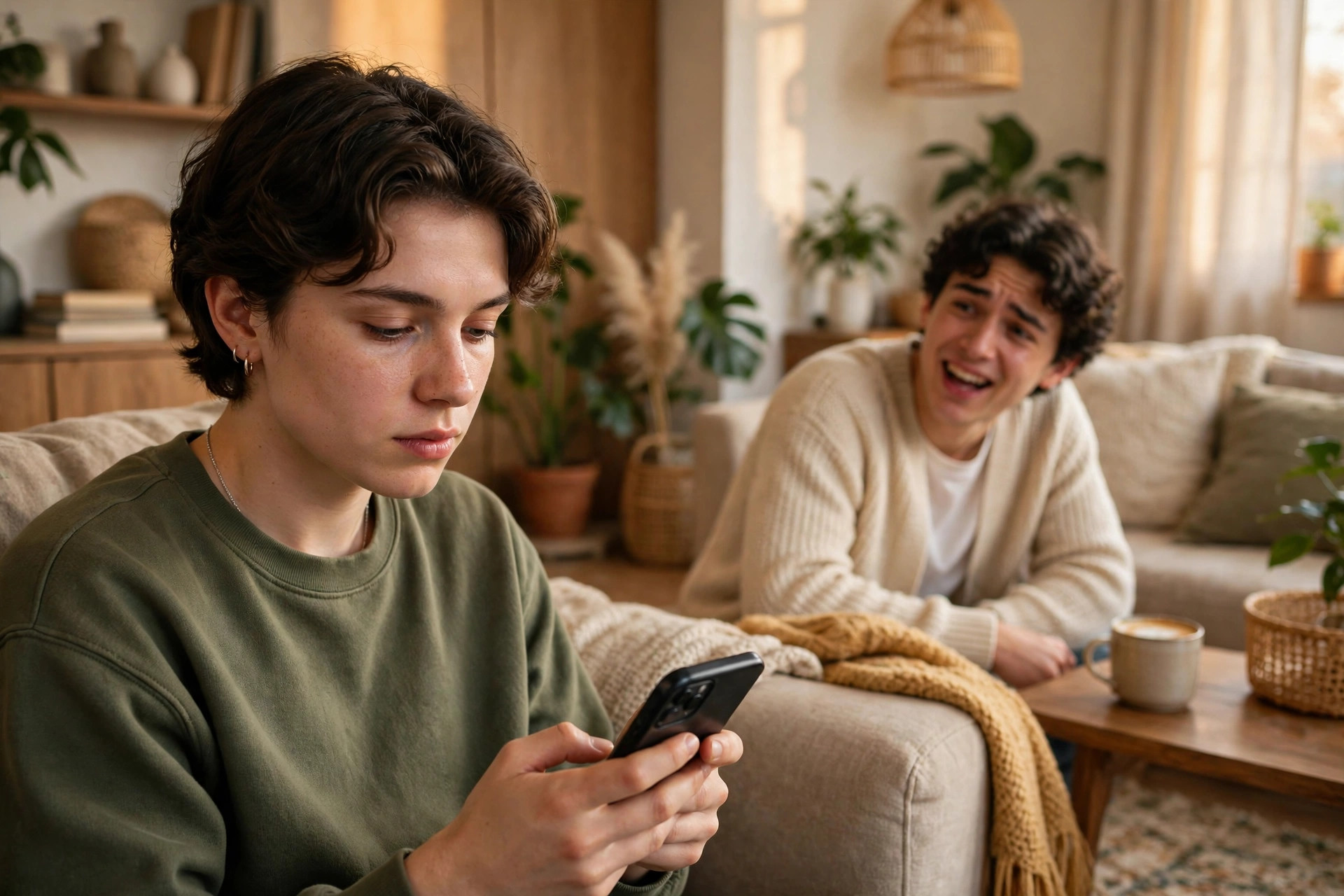
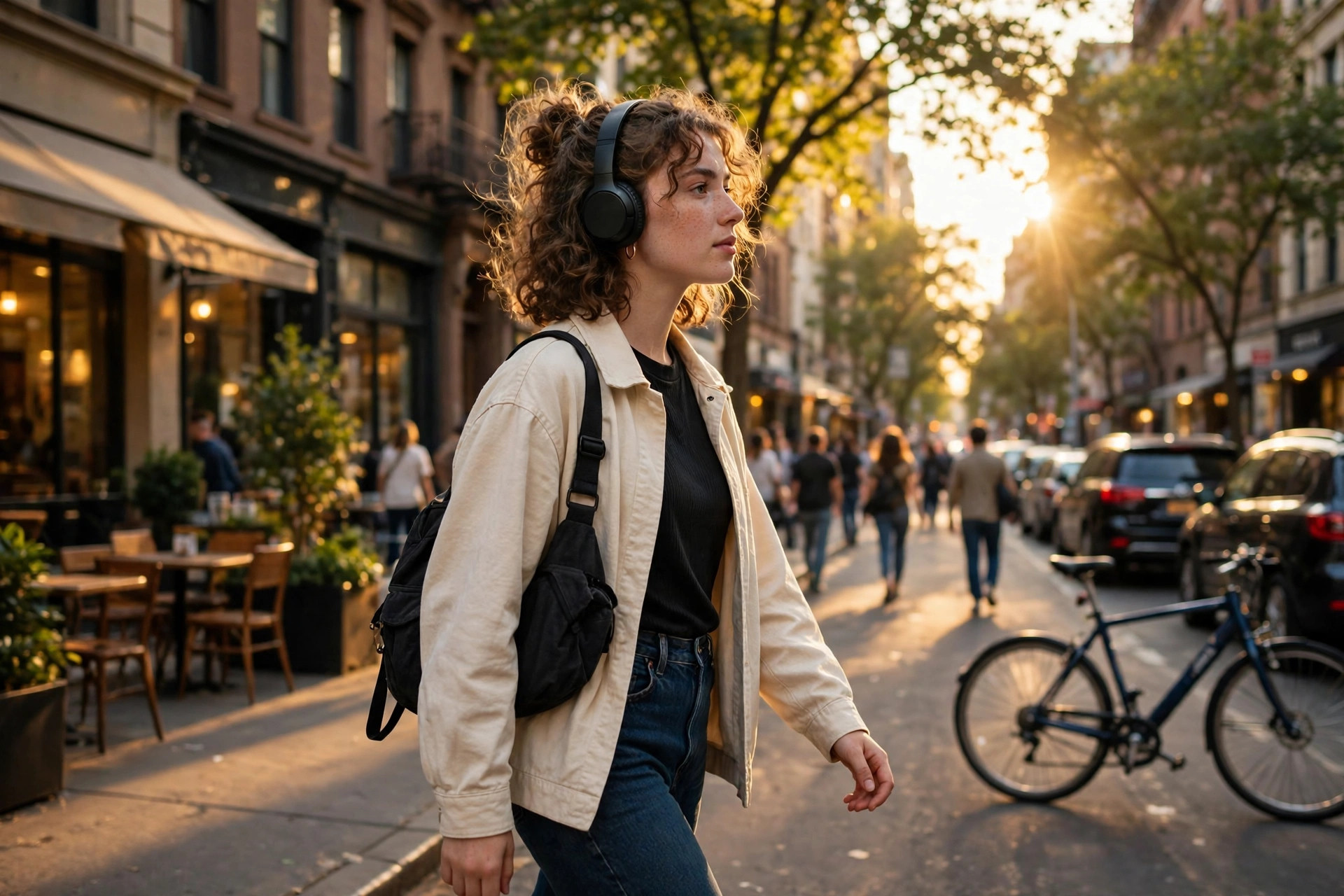
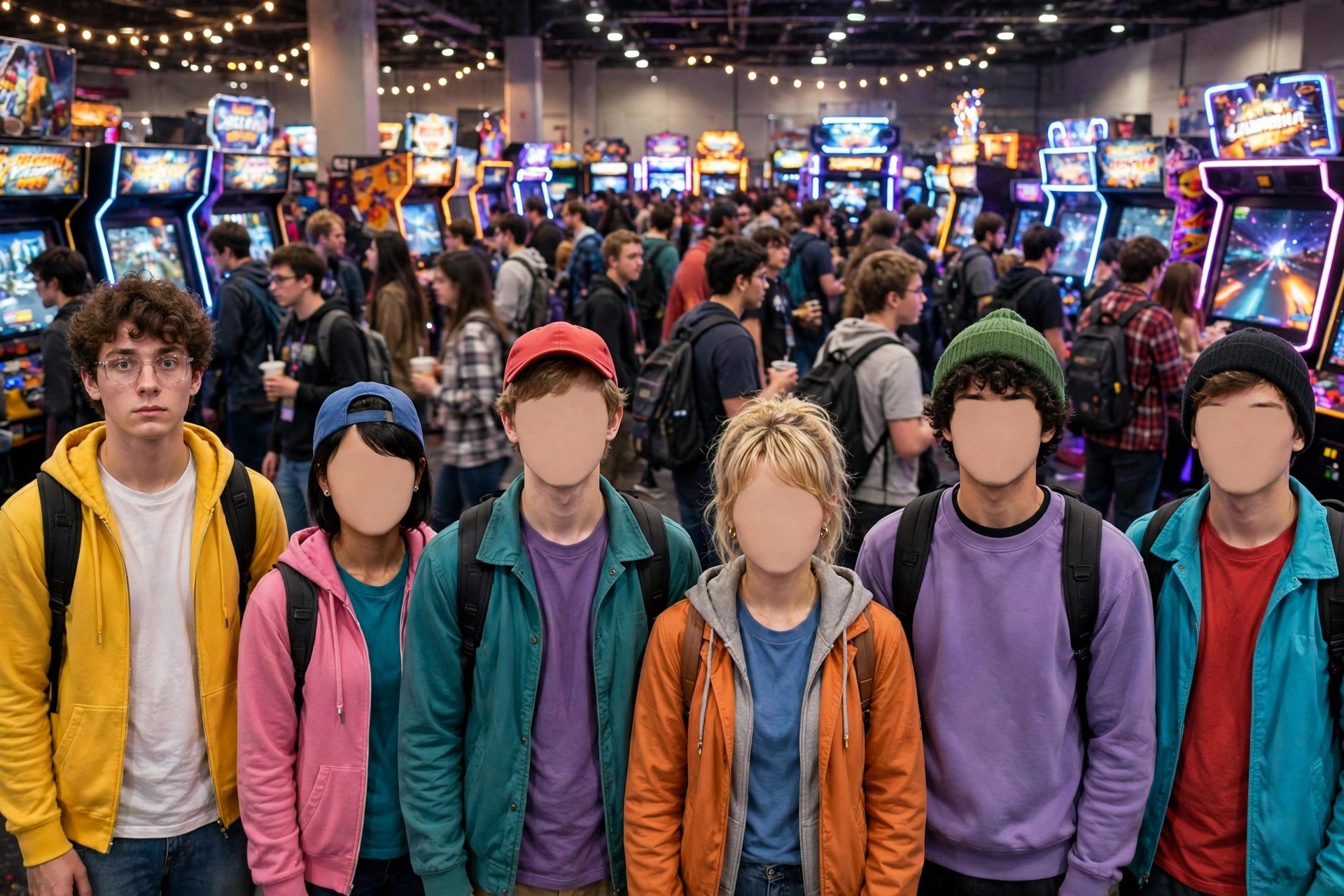
In slang, NPC describes a real person who reminds you of one of those characters. The idea is that the person seems to run on a script. They say the same things in the same situations, follow the same routine every day, and never seem to do anything unexpected. Somebody who greets everyone with the exact same phrase, laughs the same way at every joke, or gives the same answer to every question might get called an NPC by their friends. It is a metaphor, not a literal claim that the person is a robot. The humour comes from the comparison: a living person behaving like a character with only three lines of dialogue.
The term is also used more broadly to describe behaviour rather than a whole person. A classmate who answers every question with the same sentence, or a coworker who repeats the same small-talk script every morning, can be described as acting like an NPC. In this looser sense, the word works as an adjective too, in phrases such as NPC behaviour, NPC energy, and NPC dialogue.
Where Did NPC Come From?
The term NPC has existed in gaming for decades. It comes from tabletop role-playing games such as Dungeons and Dragons, where the game master controls every character who is not one of the players. When video games adopted the same idea, the abbreviation stuck. For years it was a technical term used by gamers and game designers, and most people outside gaming never heard it.
The slang use grew out of internet culture in the late 2010s and early 2020s. Gamers started using NPC as a joke about people who seemed predictable or who repeated the same opinions as everyone else. The idea spread through Reddit, Twitter, and YouTube, where clips of video game characters repeating the same line became a popular meme format. The comparison was easy to understand even if you did not play games: everyone has met someone who seems to run the same script every day.
The term exploded in 2023, when NPC streaming became a viral TikTok trend. Streamers acted like game characters, repeating the same lines and gestures every time viewers sent them a virtual gift. Creator PinkyDoll became the face of the trend, and soon people were using NPC in school hallways, offices, and comment sections to describe anyone who seemed stuck in a loop.
How People Use NPC in Everyday Speech
Most of the time, NPC is a lighthearted joke between friends. If a friend says the same thing every time you meet, someone in the group might laugh and call them an NPC. The joke works because everyone knows what a video game NPC is like, and the comparison is affectionate rather than cruel.
The word also appears in self-deprecating jokes. People say things like I was such an NPC today, I just stood in the kitchen repeating the same sentence, to describe a day when they felt tired, distracted, or stuck in a routine. Using it about yourself turns the joke inward, and it is a relatable way to talk about feeling bored or going through the motions. Like the slang in what vibe check means in online conversations, the humour depends on the shared understanding of the reference, and it falls flat if the listener has no idea what an NPC is.
Online, NPC shows up in comments, captions, and memes. A video of someone reacting the same way to the same event over and over will attract comments calling the person an NPC, and a clip of a celebrity giving the same rehearsed answer in every interview might be captioned NPC dialogue. The word is shorthand for a moment that felt artificial or rehearsed.
NPC as an Adjective
People often use NPC as an adjective to describe a situation, a response, or a routine. An NPC answer is one that sounds rehearsed and automatic, such as saying I am fine, thank you every single time someone asks how you are. An NPC moment is a moment that feels scripted, like a waiter reciting the same special offer with the same smile for the hundredth time. Using the word this way softens it, because it targets the behaviour rather than the person, and it is a useful option when you want the joke without sounding harsh.
NPC Behaviour and the Main Character Idea
NPC is often the opposite of the main character: one person lives like the hero of a movie, while the other stands by the shop counter repeating the same line. If you want the other side of this idea, read what main character means in slang. The two terms work as a pair, and people often use them together to describe the different roles in a friend group.
NPC vs Similar Slang Terms
NPC sits in a crowded family of slang words about personality and behaviour, and it is easy to mix them up. A simp is someone who does too much to impress a person they like, while an NPC is someone who seems to run on a script. The two ideas are different: one is about trying too hard, and the other is about not thinking for yourself. To see the difference clearly, look at what simp means in slang and compare it with the NPC idea.
NPC is also different from delulu, which describes someone whose beliefs are wildly unrealistic. A delulu person is full of big, strange ideas, while an NPC person has no ideas at all and simply repeats what everyone else says. Our guide to what delulu means in slang explains that term in full.
Examples of NPC in a Sentence
Here are a few realistic examples of NPC in conversation and online:
- He says the exact same thing every morning when I see him. He is such an NPC.
- I felt like an NPC today. I woke up, went to work, came home, and repeated the whole thing without thinking.
- That shop assistant had total NPC energy. She recited the same greeting to every single customer.
- The interview felt like talking to an NPC. He gave the same rehearsed answer to every question.
- Stop acting like an NPC and tell me what you actually think for once.
Notice how the word works in each case. Sometimes it describes a person, sometimes a feeling, and sometimes a moment. In every example, the key idea is repetition and predictability. Once you spot that pattern, you will start hearing the word everywhere, from gaming streams to ordinary conversations about work and school.
Is Calling Someone an NPC an Insult?
Calling someone an NPC is usually meant as a joke, but it can sting depending on the context. Among close friends who trade jokes all the time, it lands as gentle teasing about being predictable. Said to a stranger, a coworker, or someone who is already feeling left out, it can sound like you are saying they have no personality or no original thoughts. That is a much harsher message than the joker intended.
The safest way to use it is with people who know you are joking, or about yourself. Saying that was an NPC moment is lighter than saying you are an NPC, and it keeps the humour without making anyone feel small.
Frequently Asked Questions
What does NPC mean in slang?
In slang, NPC describes a person who seems to act on autopilot, repeating the same phrases, routines, or reactions like a background character in a video game. It is usually a teasing joke about being predictable rather than a serious insult.
What does NPC stand for?
NPC stands for non-player character. In games, it means a character controlled by the computer instead of a human player, such as a shopkeeper, a villager, or a quest-giver who repeats a small set of lines.
Where did the NPC meme come from?
The NPC meme grew out of gaming culture and spread through social media in the late 2010s and early 2020s. It exploded in 2023 when NPC streaming became a viral TikTok trend, with creators acting like game characters and repeating the same lines for every virtual gift they received.
Is calling someone an NPC rude?
It can be, depending on the context. Among friends it is usually light teasing, but it can hurt if it implies the person has no personality or original thoughts. It is safest to use it as a joke with people who know you, or to describe a moment rather than a person.
What is an NPC in a video game?
In a video game, an NPC is any character that is not controlled by a player. NPCs are run by the game itself, and they usually have a fixed role, a small set of lines, and predictable behaviour, such as a merchant who always stands in the same spot and says the same greeting.
More Articles You’ll Like
Keep reading — more from this category and across the site:
- What Does ‘Lock In’ Mean? Meaning, Origin, and Usage
- What Does ‘Cooked’ Mean? Meaning, Origin, and Usage
- What Does ‘Rizz’ Mean? Meaning, Origin, and Examples
- What Does ‘Sus’ Mean? Meaning, Origin, and Examples
- What Does ‘Slay’ Mean? Meaning, Origin, and Examples
- What Does ‘Lowkey’ Mean? Meaning, Origin, and Examples
- What Does ‘Mid’ Mean? Slang Meaning, Origin, and Examples
- What Does ‘Touch Grass’ Mean? Meaning, Origin, and Examples
- What Does ‘Aura’ Mean? Meaning, Origin, and Examples
- 50 Funny Ice Skating Jokes for Kids and Adults to Share