If you have ever read a comment calling a film, a song, or a meal “mid,” you have met one of the internet’s bluntest verdicts. The mid meaning is simple: it means mediocre, average, or underwhelming — not terrible, just not good enough to be worth the hype. It is the word people reach for when something was fine, but forgettable. A close cousin in tone is what cooked means, which describes something finished or ruined rather than merely average, but both words hand down a quick, final judgement.
Mid is short, sharp, and everywhere in online culture: in music debates, sports arguments, restaurant reviews, and group chats. This guide explains exactly what mid means, where it came from, how to use it in real sentences, and when it is better to give a fairer, more detailed opinion instead.
What Does Mid Mean?
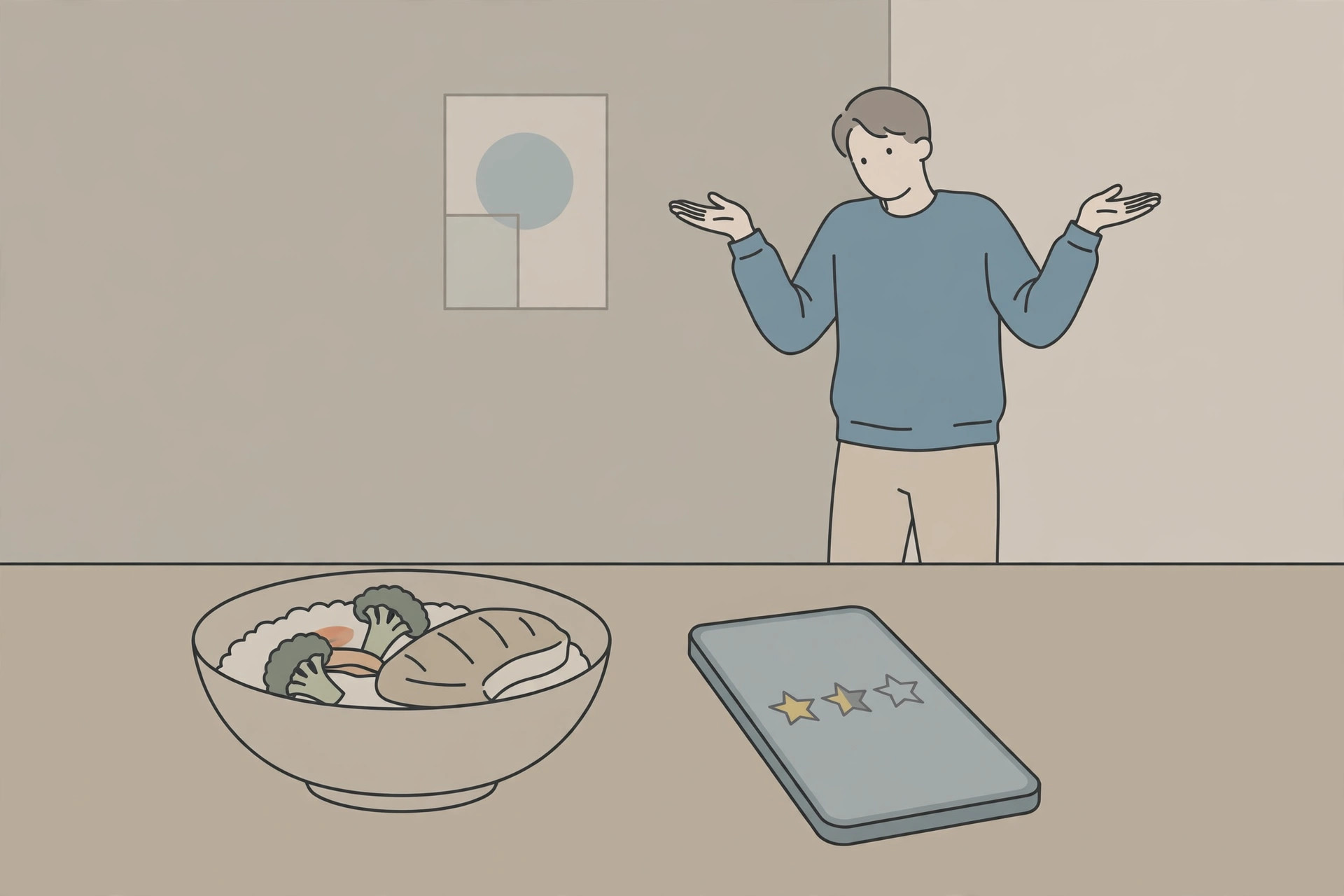
Mid is an adjective that means mediocre, average, or disappointing. It comes from “middle” — something mid sits in the middle of the quality scale, neither great nor awful. When someone says “that film was mid,” they mean it was watchable but nothing special: no great scenes, no terrible ones, just an average two hours they will probably forget.
The sting of mid comes from its context. It is rarely used for something nobody expected much from. It is used for things that were hyped, expensive, or highly anticipated — a blockbuster film, a much-talked-about album, a restaurant everyone recommended. Calling that thing mid is a way of saying it failed to live up to its reputation, and the gap between the hype and the reality is the whole point of the insult.
Where Did Mid Come From?
Mid began as a shortening of “middle” or “middling,” words that have described average quality in English for centuries. The slang version took off on Twitter and TikTok in 2021, when users started rating films, albums, and video games with a single word. Short verdicts travel well on social media, and “mid” was the perfect one-word review: quicker than “mediocre,” punchier than “average,” and clear to anyone who had seen it used a few times.
From there it spread into everyday speech, especially among teenagers and young adults. Music fans used it to dismiss albums, sports fans used it to rate players, and gamers used it to judge new releases. It also became a meme format in itself — a photo or a clip captioned with just “mid” needs no further explanation, because the judgement is the joke. Like what sus means, it started in a specific online corner and became part of how everyone talks about quality.
How to Use Mid in a Sentence
Mid is used as an adjective, usually right after “is,” “was,” or “felt.” The most common pattern is simply “that was mid” or “it is mid.” You can also use it before a noun in some cases — “a mid album,” “a mid performance” — though the “was mid” pattern is far more common and sounds more natural.
People often pair mid with a comparison to make the judgement clearer. “The first film was great, but the sequel was mid” tells the listener exactly where the sequel went wrong. “The food was mid, but the service was lovely” softens the criticism by giving credit where it is due. Used on its own, mid can sound harsh, so adding a comparison or a detail usually makes the opinion more useful. Short verdicts like this travel well online, and the same is true of the phrase explained in our guide to what no cap means, which adds a note of honesty to a blunt opinion.
Here are some examples of mid in real sentences:
- “I finally watched that film everyone was talking about. Honestly? It was mid.”
- “The new album has two great songs and the rest is mid.”
- “The pizza was mid, but the garlic bread made up for it.”
- “He played a mid game — nothing terrible, nothing special.”
Mid vs Bad: What Is the Difference?
Mid and bad are not the same thing, and mixing them up is the most common mistake people make with this word. Something bad is poorly made, unpleasant, or a waste of time. Something mid is simply average: it works, it is not offensive, but it does not impress anyone either. A bad meal makes you feel ill; a mid meal just leaves you thinking about what else you could have ordered.
That distinction matters because mid is often used as a deliberate downgrade. When a fan calls a popular album mid, they are usually not saying it is the worst album ever made. They are saying it does not deserve the praise it gets. It is a disagreement about hype, not a claim that the thing is broken. If you want to call something truly terrible, words like awful, terrible, or dreadful do the job better — mid will only confuse your listener.
There is also a playful side to the word. Friends use mid jokingly about each other’s cooking, playlists, or fashion choices, where everyone knows it is a tease rather than a real insult. In those cases the tone matters more than the word itself: said with a laugh, “that playlist was mid” is a joke; said coldly in a review, it is a genuine criticism. Like learning what rizz means, context and tone decide how the word lands.
When Not to Use Mid
Mid is informal slang, so it does not belong in formal writing. Avoid it in work emails, school essays, job applications, and professional reviews, where “average,” “mediocre,” “underwhelming,” or “unremarkable” say the same thing more precisely. A film critic writing “the film was mid” in a newspaper review would sound flippant rather than thoughtful.
It is also worth thinking twice before using mid about a real person’s work. Calling a stranger’s cooking or a friend’s creative project mid can sting, because it dismisses their effort in a single word. If someone has worked hard on something, a kind and specific comment — what worked, what could improve — is more helpful than a one-word verdict. Save mid for big, hyped things like blockbusters and albums, where a blunt opinion is part of the fun. And if you are talking about focus rather than quality, what lock in means is a better fit: it is about getting serious and concentrating, not about rating something average.
Mid in Pop Culture
Mid has become a fixture of online debate, especially around music, film, and sport. Fans argue in comments and quote-posts about whether a new album is a classic or mid, whether a player is world-class or mid, whether a much-loved TV show’s latest season is still great or has gone mid. The word works so well in these arguments because it is a middle position that still sounds like a verdict: it lets someone disagree with the hype without having to write a full review.
It has also become a useful shorthand in everyday conversation. “Was it good?” “Nah, it was mid” ends the discussion in four words. That efficiency is the word’s real power, and the reason it has lasted longer than many other slang words from the same era. The word spread because it filled a gap: English had plenty of words for great and terrible, but very few short, casual ones for the large middle ground in between.
Frequently Asked Questions About Mid
What does mid mean in slang?
Mid means mediocre, average, or underwhelming. It comes from “middle” and describes something that is neither great nor terrible, just average — often used when something failed to live up to its hype.
Where did the word mid come from?
Mid comes from “middle” or “middling,” words that have described average quality in English for centuries. The slang use took off on Twitter and TikTok in 2021, where it became a popular one-word review for films, albums, and games.
Is mid the same as bad?
No. Bad means poorly made or unpleasant, while mid means average and unremarkable. A bad meal makes you feel ill; a mid meal is just forgettable. Mid is usually a comment on hype — the thing was fine, but not as good as people said.
Can you use mid in formal writing?
It is best not to. Mid is informal slang, so it does not fit work emails, school essays, or professional reviews. In formal settings, use “average,” “mediocre,” “underwhelming,” or “unremarkable” instead.
Is calling something mid rude?
It can be. Mid is a blunt, dismissive verdict, so it can sting when aimed at a real person’s work. It is fine for big, hyped things like films and albums, but be kinder and more specific when someone you know has put real effort into something.
More Articles You’ll Like
Keep reading — more from this category and across the site:
- What Does ‘Slay’ Mean? Meaning, Origin, and Examples
- What Does ‘Lowkey’ Mean? Meaning, Origin, and Examples
- 50 Funny Hot Chocolate Jokes for Kids and Adults
- How to Build a Workout Routine for Beginners
- How to Choose the Right Packaging Materials for Your Product
- How to Create a Business Budget: A Step-by-Step Guide
- How to Find Obituaries in Athens, AL: A Step-by-Step Guide
- How to Fix Common Printing Problems: A Troubleshooting Guide
- What Does ‘Limerence’ Mean? Meaning, Origin, and Examples