If you spend any time on TikTok, in a group chat, or scrolling through comments online, you have probably seen someone describe a feeling, a crush, or a favourite song as “lowkey.” The lowkey meaning is simple at its core: it means something is quiet, subtle, or kept under the radar — or that you feel something a little bit, but not strongly enough to shout about it. Like learning what sus means, understanding lowkey is mostly about recognising tone, because the same word can describe a mood, a plan, or a feeling depending on the sentence around it.
Lowkey is one of the most flexible words in modern slang. It can soften a strong opinion, describe a relaxed evening, or admit a guilty pleasure without making a big deal of it. This guide explains exactly what lowkey means, where it came from, how to use it in real sentences, and when it is better to choose a plainer word instead.
What Does Lowkey Mean?
Lowkey is an adjective and an adverb that means quiet, subtle, modest, or not obvious. When something is lowkey, it is kept on a small scale and does not draw attention to itself. A lowkey birthday is a few close friends and a cake at home, not a big party. A lowkey person is calm and understated rather than loud or showy.
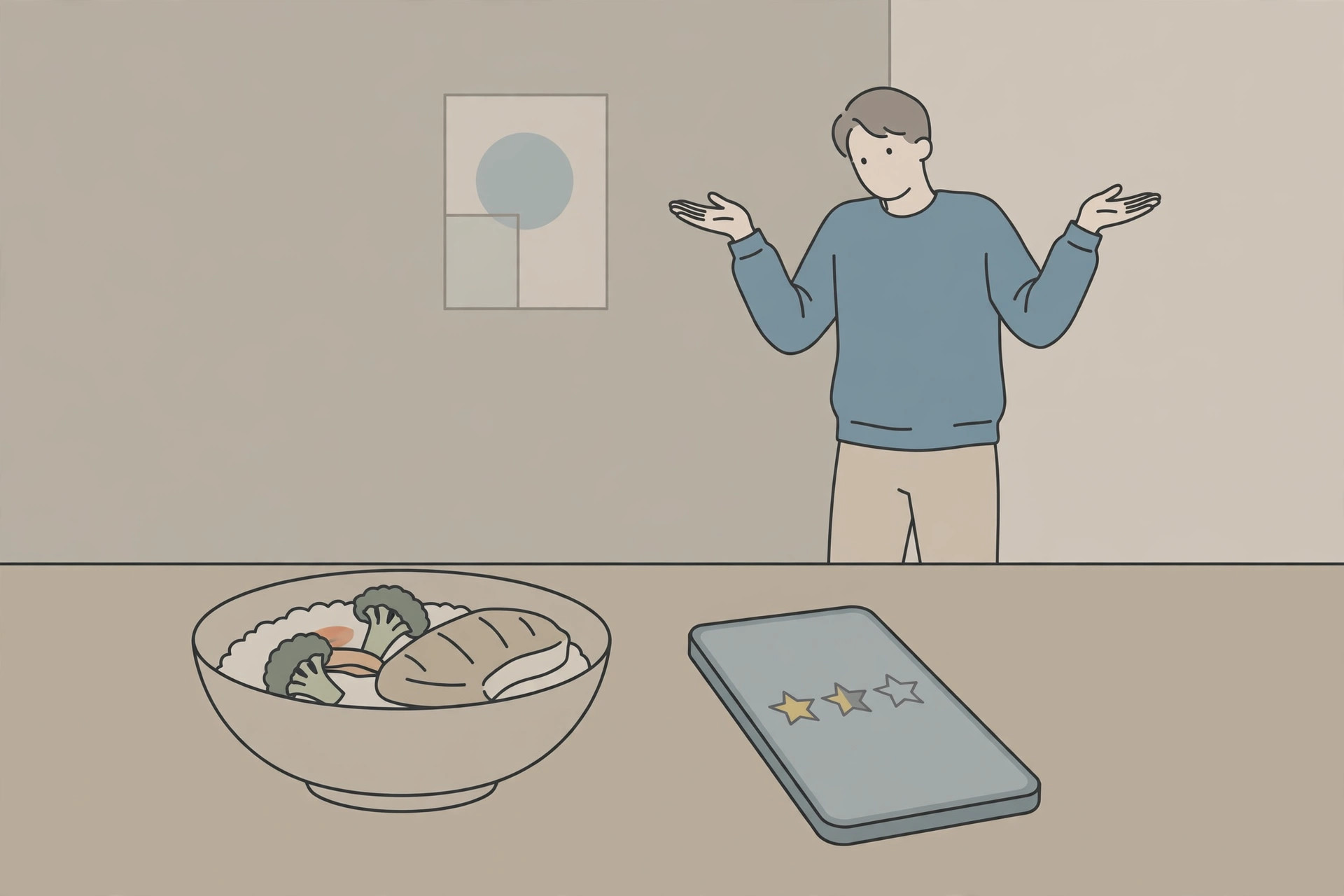
As an adverb, lowkey softens whatever comes after it. Saying “I lowkey love this song” means you love the song, but you are admitting it casually, almost as an aside. It is a way of sharing a real feeling while keeping the energy relaxed. The word works a bit like saying “a little bit” or “secretly,” but with a cooler, more casual feel. It is one of a wave of short slang words that crossed from gaming and social media into everyday speech, alongside the phrase explained in our guide to what no cap means.
Lowkey as an Adjective
When lowkey describes a noun, it means that thing is understated or deliberately kept small. A lowkey wedding has a handful of guests. A lowkey restaurant is simple, relaxed, and not trying to impress anyone. A lowkey vibe is calm and easy, the opposite of a loud, high-energy scene.
People also use it to describe personalities. Calling someone lowkey usually means they are modest, private, or unbothered by attention. It is generally a compliment: a lowkey person does not need to show off, and a lowkey lifestyle is one that values peace and simplicity over noise and display.
Here are some examples of lowkey as an adjective:
- “We are keeping the party lowkey this year — just family and a few friends.”
- “She is pretty lowkey about her success; most people have no idea how well she is doing.”
- “It was a lowkey weekend: movies, takeaway, and an early night.”
Lowkey as an Adverb
As an adverb, lowkey usually sits before a verb or an adjective and tones it down. “I lowkey want to go home” means you want to go home, but you are saying it softly, maybe because you do not want to offend the host. “That film was lowkey amazing” means the film was amazing, but you are presenting the opinion casually rather than making a grand claim about it.
This softening use is the most common one online. People pair lowkey with strong feelings — love, hate, fear, excitement — to make those feelings sound smaller and safer to admit. Saying “I lowkey hate Mondays” feels lighter than “I hate Mondays,” even though the feeling is the same. It is a social cushion: it lets you be honest without sounding intense. Other slang words do the opposite job — the word explained in our guide to what slay means turns the volume up on praise, while lowkey turns it down.
Here are some examples of lowkey as an adverb:
- “I lowkey miss my old school friends.”
- “This song is lowkey the best thing I have heard all year.”
- “I am lowkey nervous about the interview tomorrow.”
Where Did Lowkey Come From?
The roots of lowkey go back much further than social media. “Low-key” has been an ordinary English phrase for well over a century, used in music to describe a quiet or subdued key and in everyday speech to describe something restrained or understated. A low-key meeting is a calm one; a low-key celebration is a modest one. That older, standard meaning is still correct today.
The slang version grew out of that older meaning. In African American Vernacular English and in hip-hop lyrics through the 2000s, “lowkey” began to appear more often as a casual way of saying something was kept quiet or felt only a little. Rappers and singers used it to talk about feelings and plans they were keeping private, and the word’s relaxed sound suited the music.
Social media did the rest. In the 2010s, “lowkey” spread through Twitter, Tumblr, and later TikTok, where short captions and comments rewarded words that could carry a whole mood in a few letters. It moved from music and group chats into everyday speech, and today it is used by people of all ages — though it still sounds informal and young. It belongs to the same family of internet-era slang as what rizz means, words that started in specific communities and became part of how everyone talks online.
How to Use Lowkey in a Sentence
Using lowkey correctly is mostly about placement and tone. As an adverb, put it before the verb or adjective you want to soften: “I lowkey need a holiday,” or “This place is lowkey beautiful.” As an adjective, put it before the noun: “a lowkey dinner,” “a lowkey holiday,” “a lowkey kind of guy.”
The word works best in casual conversation, texts, captions, and social media posts. It signals that you are relaxed and being honest, but not making a dramatic statement. It also works well when you are admitting something slightly embarrassing, like a guilty-pleasure TV show or a crush you are not ready to announce.
Try swapping it into sentences you already say. Instead of “I kind of like that song,” try “I lowkey love that song.” Instead of “It was a quiet night,” try “It was a lowkey night.” The meaning stays close, but the tone becomes more natural for a chat or a caption. If the sentence still sounds right when you replace lowkey with “a little bit” or “quietly,” you are using it correctly.
Lowkey vs Highkey
Lowkey has a natural opposite: highkey. Where lowkey means quiet, subtle, or a little bit, highkey means obvious, intense, or a lot. “I highkey love this album” means you love it openly and strongly, with no attempt to play it down. “A highkey party” is a big, loud, all-out celebration. If you want to know what lock in means next, it is another slang word that pairs well with lowkey in everyday speech — you can lowkey lock in on a goal without making a big announcement about it.
The pair is useful because it lets you adjust the volume of a feeling. Lowkey turns the feeling down; highkey turns it up. “I lowkey miss him” is a gentle admission. “I highkey miss him” is an open, emotional one. Both are honest — they just tell the listener how strongly you feel, and how publicly you are willing to say it.
When Not to Use Lowkey
Lowkey is informal slang, so it does not belong in formal writing. Avoid it in job applications, work emails, school essays, and professional reports, where “quietly,” “slightly,” “modest,” or “understated” will say the same thing more clearly. A hiring manager reading “I am lowkey passionate about marketing” will understand you, but the word makes the sentence sound casual in a setting where you want to sound serious.
It is also worth being careful with lowkey when clarity matters. Because the word softens feelings, it can make your meaning unclear in a serious conversation. If you need to tell someone something important, say it plainly. Lowkey is the word to reach for when you want to keep things calm, not when you want to make a point loudly.
Frequently Asked Questions About Lowkey
What does lowkey mean in slang?
Lowkey means quiet, subtle, or understated. As an adverb it softens a feeling, so “I lowkey love it” means you love it but are saying so casually. As an adjective it describes something modest or kept small, like a lowkey party.
Where did the word lowkey come from?
Lowkey comes from the older English phrase “low-key,” used for over a century to describe something quiet or restrained. The slang use grew through African American Vernacular English and hip-hop in the 2000s, then spread widely on social media in the 2010s.
What is the difference between lowkey and highkey?
Lowkey means quiet, subtle, or only a little bit, while highkey means obvious, intense, or a lot. “I lowkey miss him” is a gentle admission; “I highkey miss him” is an open, strong one.
Can you use lowkey in formal writing?
It is best not to. Lowkey is informal slang, so it does not fit job applications, work emails, or school essays. In formal settings, use words like “quietly,” “slightly,” “modest,” or “understated” instead.
Is lowkey a positive or negative word?
Neither on its own — it depends on the sentence. It is usually positive or neutral, describing calm, modest things or softening an honest feeling. It only turns negative when paired with a negative feeling, as in “I lowkey hate this weather.”
More Articles You’ll Like
Keep reading — more from this category and across the site:
- What Does ‘Cooked’ Mean? Meaning, Origin, and Usage
- What Does ‘Mid’ Mean? Slang Meaning, Origin, and Examples
- 50 Funny Hot Chocolate Jokes for Kids and Adults
- How to Build a Workout Routine for Beginners
- How to Choose the Right Packaging Materials for Your Product
- How to Create a Business Budget: A Step-by-Step Guide
- How to Find Obituaries in Athens, AL: A Step-by-Step Guide
- How to Fix Common Printing Problems: A Troubleshooting Guide
- What Does ‘Limerence’ Mean? Meaning, Origin, and Examples