Food packaging does much more than hold a product. It protects food from damage and contamination, helps maintain freshness, provides important information, and gives customers their first impression of a brand.
For businesses, choosing the right packaging can directly affect product quality, shelf life, transportation costs, customer satisfaction, and sales. A beautiful package may attract attention, but it must also protect the food and perform properly throughout storage, shipping, display, and use.
This guide explains the major types of food packaging, commonly used materials, safety considerations, sustainability, design, and regulations. Whether you run a restaurant, food manufacturing company, bakery, delivery service, or small food brand, it will help you make more informed packaging decisions.
What Is Food Packaging?
Food packaging refers to the containers, wrappers, boxes, bottles, films, and other materials used to hold and protect food products.
It includes packaging that touches the food directly as well as the outer packaging used for display, storage, and transportation.
Common examples include:
- Cereal boxes
- Glass sauce jars
- Plastic drink bottles
- Aluminum food cans
- Frozen food bags
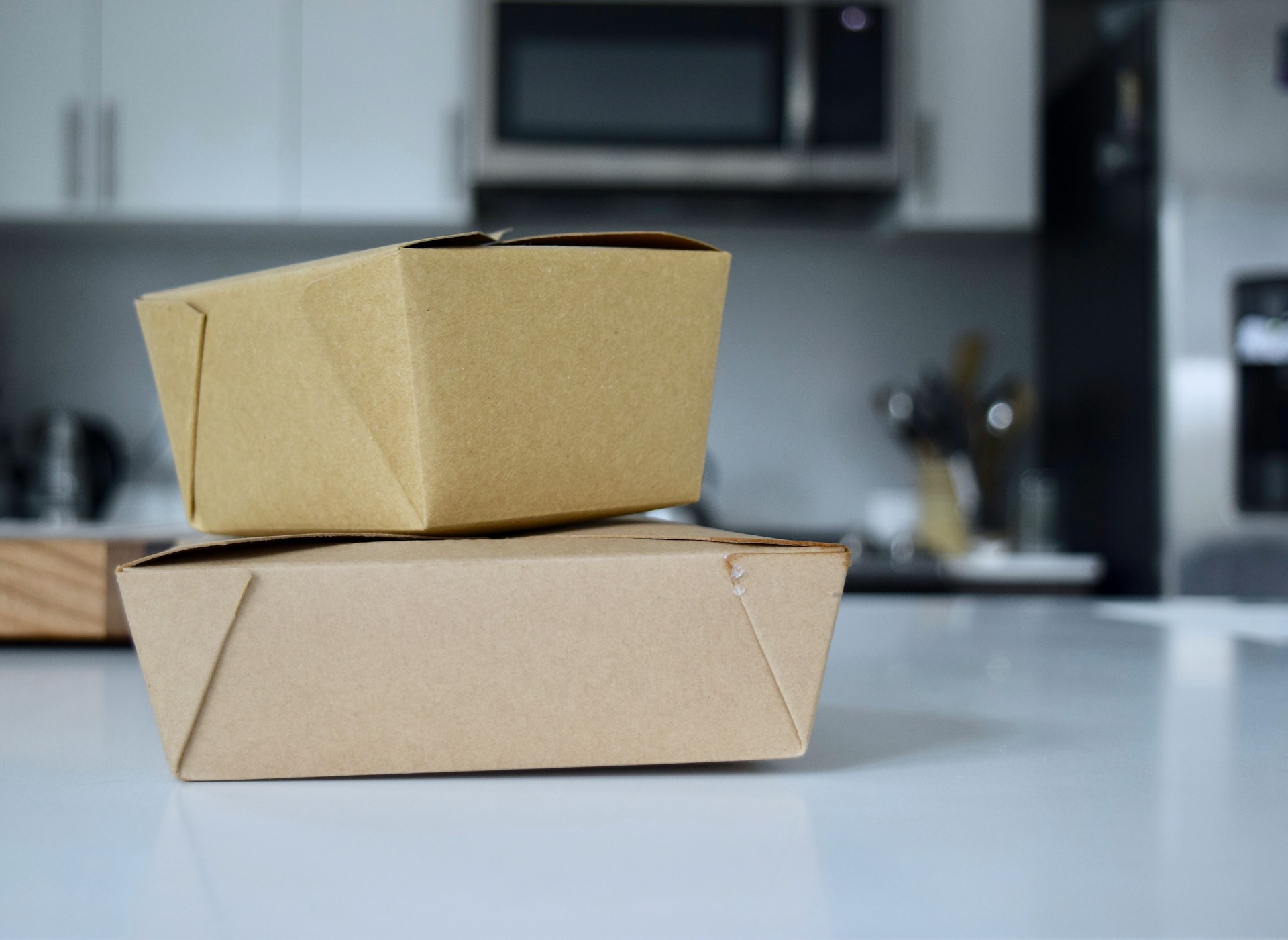
- Takeout containers
- Flexible snack pouches
- Cardboard bakery boxes
- Vacuum-sealed meat packaging
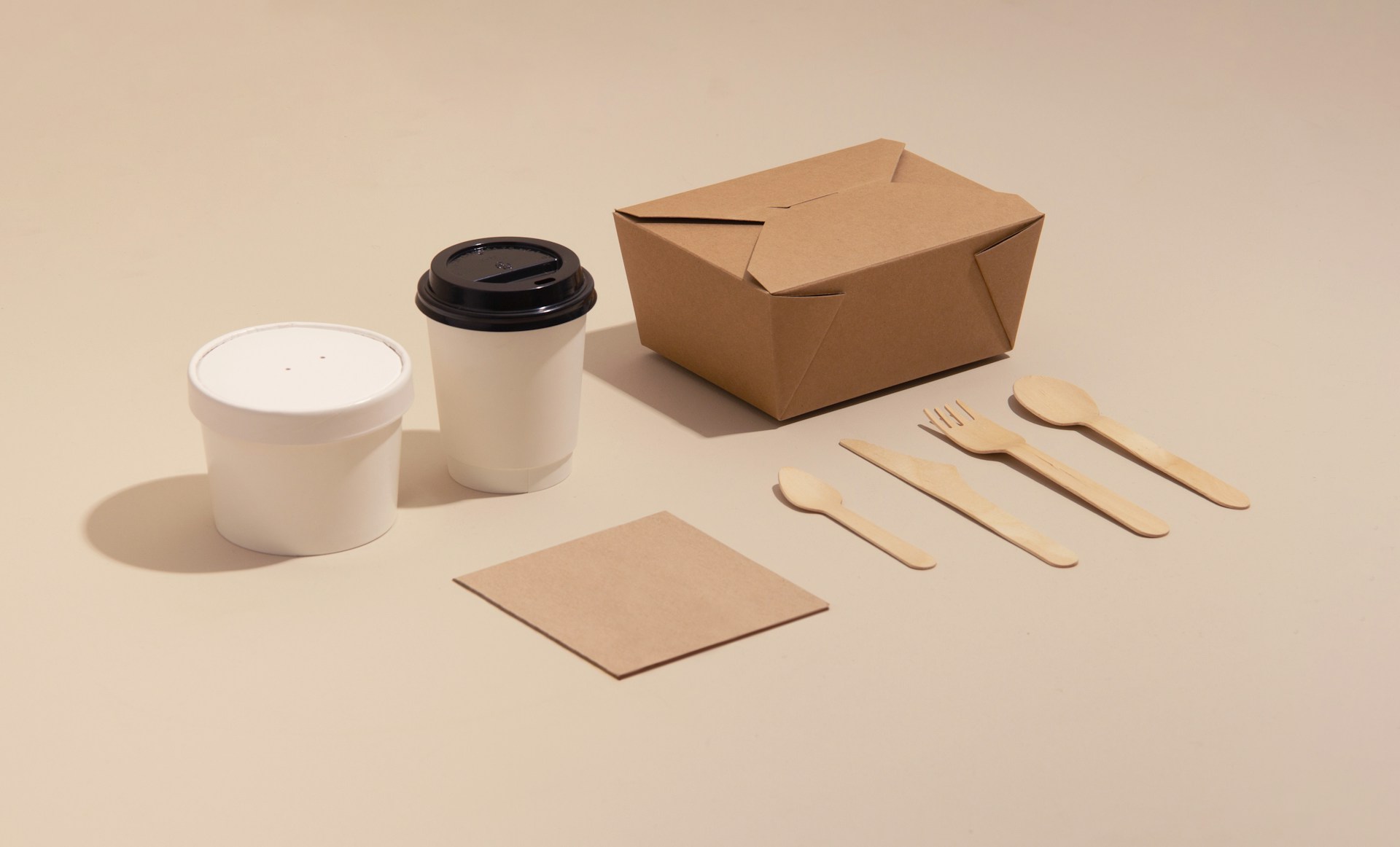
- Paper cups and food trays
The right package depends on the food inside it. Fresh produce, frozen meals, dry snacks, beverages, dairy products, and prepared foods all have different protection and storage requirements.
Why Is Food Packaging Important?
Food travels through several stages before reaching the consumer. It may be processed, packed, transported, stored in a warehouse, displayed in a store, and carried home.
Packaging helps the food remain protected throughout this journey.
It protects the food
Food can be affected by moisture, air, light, bacteria, insects, temperature changes, and physical damage. Suitable packaging creates a barrier between the product and these outside conditions.
For example, a sealed pouch can help stop dry snacks from absorbing moisture, while a strong carton can prevent delicate food products from being crushed during transportation.
It helps maintain freshness
Some packaging formats reduce exposure to oxygen and moisture, which can help preserve flavor, texture, color, and overall quality.
The packaging itself does not make every product safe indefinitely. However, when it is selected and used correctly, it can support the product’s intended shelf life.
It provides useful information
Food packages can communicate important details such as:
- Product name
- Ingredients
- Allergen information
- Nutrition facts
- Net quantity
- Storage instructions
- Preparation directions
- Best-by or expiration dates
- Manufacturer or distributor information
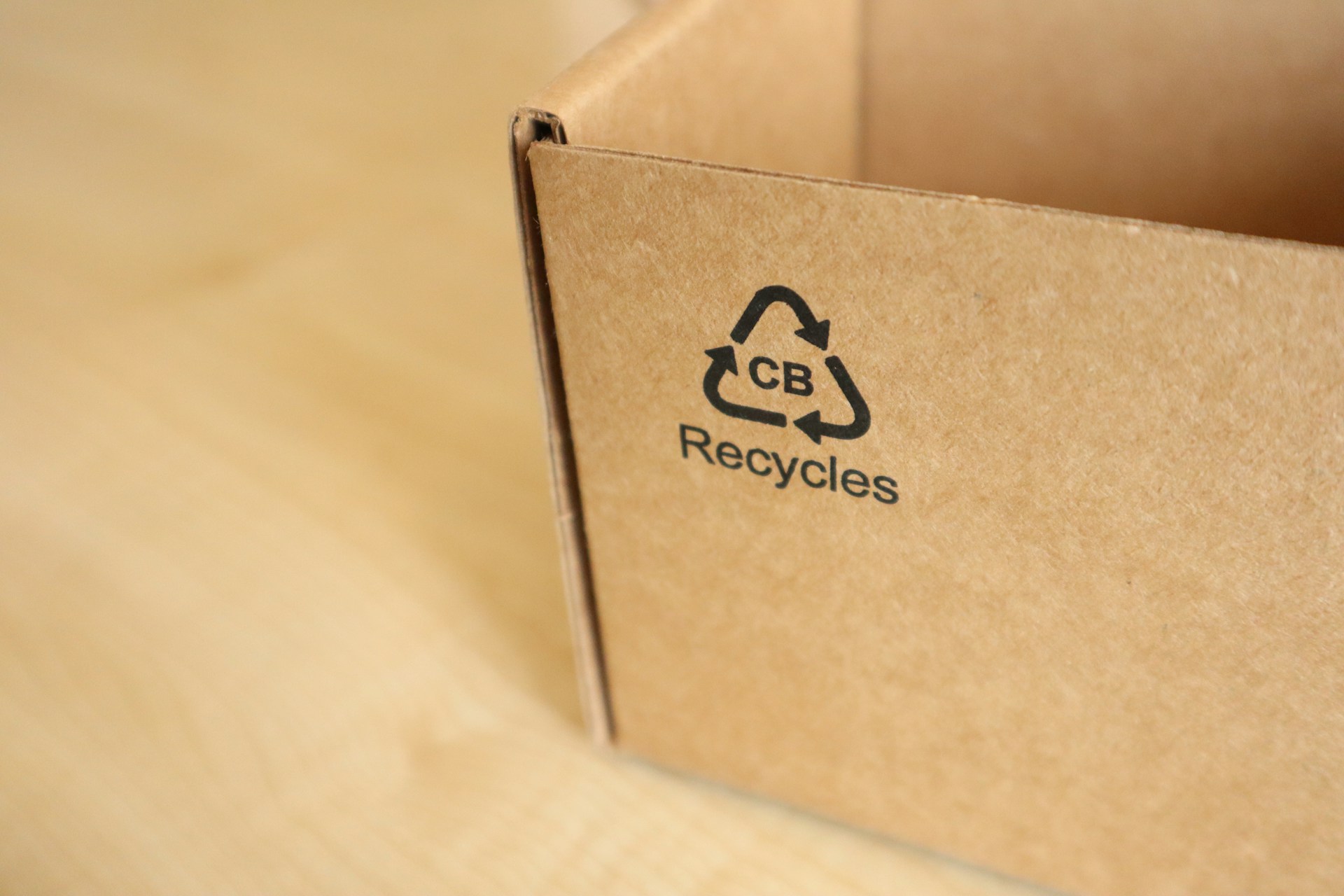
- Recycling and disposal instructions
Clear information helps customers understand what they are buying and how the food should be stored or prepared.
It supports branding and marketing
Packaging is often the first thing shoppers notice. Its colors, shape, typography, graphics, and material can influence how customers view the product.
A premium glass jar may suggest quality and tradition, while a lightweight resealable pouch may communicate convenience. Good packaging should fit the product, target audience, price, and overall brand identity.
It makes products easier to use
Useful packaging can make food easier to open, carry, pour, store, reseal, and serve.
Examples include:
- Resealable snack bags
- Easy-open cans
- Squeezable bottles
- Microwave-safe trays
- Single-serving containers
- Cartons with pouring spouts
Convenience can improve the customer experience and encourage repeat purchases.
The Three Levels of Food Packaging
Food packaging is commonly divided into primary, secondary, and tertiary levels.
Primary food packaging
Primary packaging comes into direct contact with the food.
Examples include:
- A wrapper around a candy bar
- A pouch containing chips
- A bottle holding juice
- A can containing soup
- A tray holding fresh meat
Because primary packaging touches the product, its safety, cleanliness, and suitability are especially important.
Secondary food packaging
Secondary packaging groups one or more primary packages together. It may provide additional protection while also supporting display and branding.
Examples include:
- A box containing individually wrapped tea bags
- A carton holding several yogurt cups
- A cardboard carrier containing bottled drinks
- A retail box containing frozen food packets
Customers often see secondary packaging on store shelves, so it can play an important marketing role.
Tertiary food packaging
Tertiary packaging is used for bulk storage, handling, and transportation.
Examples include:
- Shipping cartons
- Pallets
- Stretch wrap
- Large crates
- Protective corner pieces
Consumers may never see this packaging because it is usually removed by distributors or retailers.
Common Types of Food Packaging
Food packaging comes in many formats. Each one offers different levels of protection, convenience, and presentation.
Boxes and cartons
Paperboard and corrugated boxes are commonly used for cereals, frozen foods, bakery products, pizza, snacks, and multipacks.
They are lightweight, printable, and easy to customize. However, untreated paperboard does not provide a strong barrier against moisture or grease. Some food cartons therefore use coatings, liners, or inner bags.
Flexible pouches and bags
Flexible packaging includes plastic films, paper bags, foil pouches, and packages made from multiple layers.
It is frequently used for:
- Coffee
- Chips
- Candy
- Pet food
- Frozen vegetables
- Dried fruit
- Sauces
- Baby food
Flexible packaging uses relatively little material and is lightweight to transport. Some pouches also include zippers, spouts, or tear notches.
Its recycling options can vary, especially when several materials are combined into one structure.
Bottles and jars
Bottles and jars can be made from glass or plastic. They are used for beverages, sauces, jams, spices, pickles, oils, and many other products.
Glass provides a premium appearance and is suitable for many foods, but it is heavier and can break. Plastic is lighter and less fragile, although businesses must ensure the selected plastic is suitable for its intended food-contact use.
Cans
Steel and aluminum cans provide strong protection against light, oxygen, and physical damage. They are commonly used for vegetables, soups, seafood, beans, beverages, and ready-to-eat foods.
Canned products can have a long shelf life when they are processed, sealed, and stored properly.
Trays and containers
Trays are commonly used for meat, produce, bakery items, prepared meals, and takeaway food. They may be made from plastic, aluminum, paperboard, or molded fiber.
Some trays are sealed with transparent film so customers can see the food while it remains protected.
Wraps and films
Films can wrap individual products, cover trays, group items, or create vacuum-sealed packages.
Different films offer different levels of resistance to moisture, oxygen, grease, punctures, and heat. The correct film should be selected according to the food and its storage conditions.
Cups, tubs, and bowls
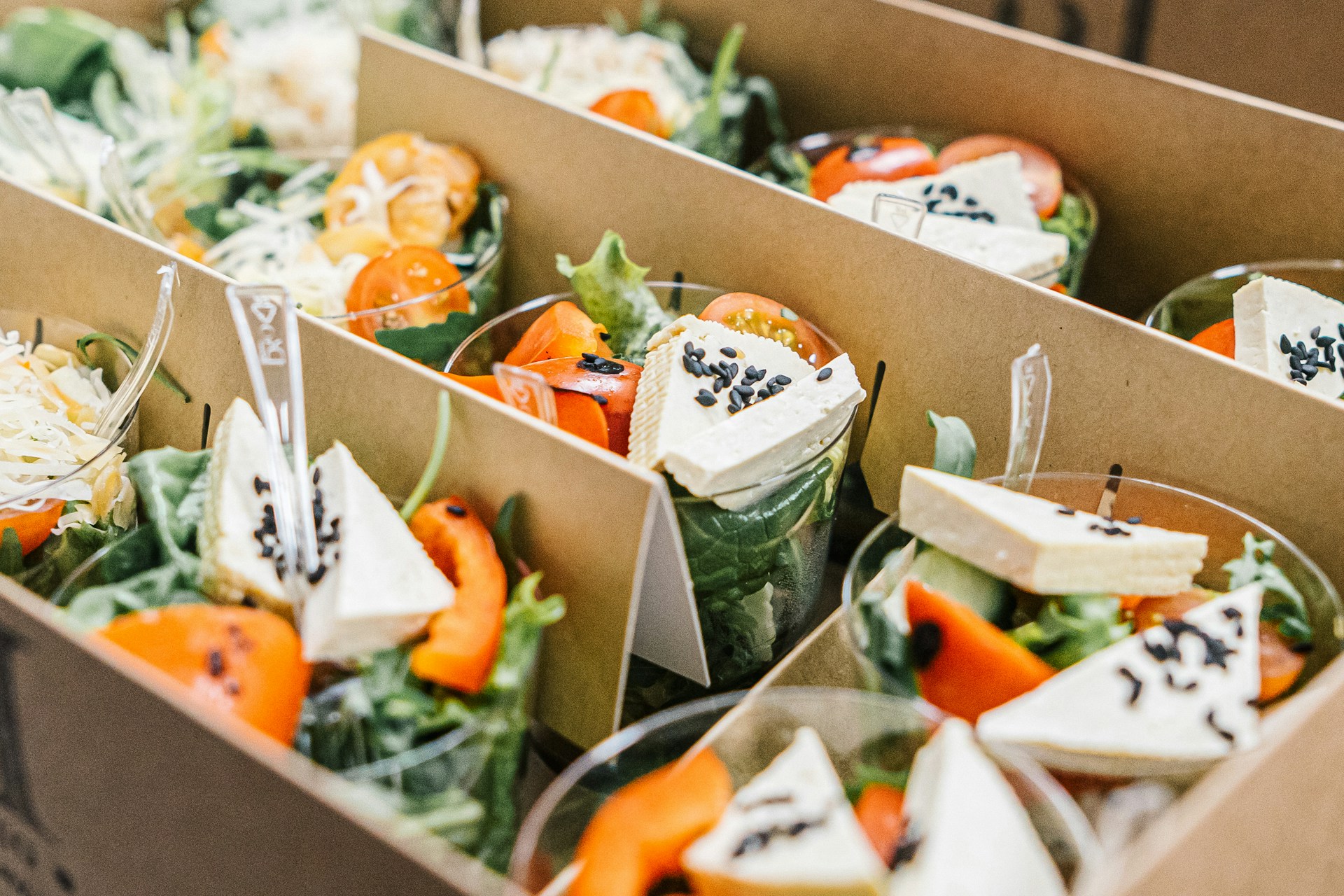
These formats are commonly used for yogurt, ice cream, dips, salads, soups, desserts, and takeaway meals. They may include lids, tamper-evident seals, or resealable features.
[Internal link: Types of Food Packaging]
Common Food Packaging Materials
No single material is best for every food product. Businesses must compare protection, safety, cost, appearance, transportation, and disposal.
Plastic
Plastic is used in bottles, films, trays, tubs, lids, and flexible pouches. It is popular because it can be lightweight, durable, moisture-resistant, and easy to shape.
Different plastics have different properties. A material suitable for a cold snack may not be suitable for hot food, microwave heating, freezing, or long-term contact with acidic ingredients.
Paper and paperboard
Paper-based packaging is used for bags, cartons, boxes, sleeves, cups, and trays. It offers excellent printing and branding possibilities and may be recyclable where appropriate collection systems exist.
Paper may need a coating or liner when it is used with oily, wet, or frozen foods. These additional layers can affect how the package is recycled or disposed of.
Glass
Glass is commonly used for beverages, sauces, jams, baby food, and preserved products.
It does not easily absorb flavors or odors and can create a high-quality appearance. It can also be recycled repeatedly where collection and processing systems are available.
Its disadvantages include weight, transportation expense, and the risk of breakage.
Metal
Aluminum and steel are used for cans, tins, trays, lids, and foil. Metal provides a strong barrier and offers excellent physical protection.
Some metal containers require internal coatings to prevent unwanted interaction between the food and the container.
Aluminum foil
Foil helps block light, moisture, oxygen, and odors. It is used in wraps, lids, trays, and layered flexible packaging.
Thin foil can tear, so it is often combined with paper or plastic when additional strength is needed.
Molded fiber
Molded fiber is made from materials such as recycled paper pulp or plant fibers. It is used for egg cartons, drink carriers, trays, bowls, and takeaway containers.
Businesses should still evaluate whether a particular fiber package can safely handle grease, heat, moisture, and direct food contact.
Bioplastics and compostable materials
Some packaging is made from plant-derived or compostable materials. These options may reduce reliance on conventional fossil-based plastics, but terms such as “biobased,” “biodegradable,” and “compostable” do not mean the same thing.
Some compostable packages require industrial composting conditions and may not break down properly in a home compost pile or landfill. Businesses should use accurate environmental claims and provide clear disposal instructions.
Food Packaging Materials: Types, Uses, Pros and Cons
How to Choose the Right Food Packaging
The best package is not necessarily the cheapest or most attractive option. It is the one that protects the product, meets applicable requirements, works throughout distribution, and gives customers a good experience.
Understand the food product
Start by evaluating the characteristics of the food:
- Is it dry, oily, acidic, or moist?
- Is it a solid, liquid, or powder?
- Does it need refrigeration or freezing?
- Is it sensitive to air, light, or moisture?
- Could it stain, leak, or produce odors?
- How long should it remain fresh?
These questions help determine the required material and barrier properties.
Consider shelf life
Packaging should support the expected shelf life of the product. A local bakery item sold the same day has different requirements from a sauce that may remain on a shelf for months.
Shelf-life testing should consider the complete product and packaging system under realistic storage conditions.
Think about transportation
A package may look good on a shelf but fail during delivery. Businesses should consider stacking strength, vibration, drops, pressure, temperature changes, and long transportation periods.
Damaged packaging can lead to leaks, waste, customer complaints, and lost revenue.
Study customer needs
Customers may value convenience features such as:
- Easy opening
- Resealability
- Portion control
- Clear product visibility
- Microwave compatibility
- Lightweight containers
- Simple disposal instructions
The best features will depend on the intended customer and how the product is used.
Compare total costs
Packaging cost involves more than the price of one container. Businesses should also consider:
- Filling and sealing equipment
- Labels and printing
- Storage space
- Shipping weight
- Product damage
- Packaging waste
- Minimum order quantities
- Testing and compliance
- Customer returns
A slightly more expensive package may save money if it reduces spoilage, breakage, or shipping costs.
[Internal link: How to Choose the Best Food Packaging for Your Product]
Food Packaging Safety
Food-contact packaging must be suitable for its intended use. Businesses should evaluate the material, food type, temperature, contact time, and expected storage conditions.
A container designed for cold food should not automatically be assumed safe for boiling liquids, ovens, microwaves, or repeated reuse.
Important safety considerations include:
- Migration of packaging components into food
- Resistance to heat and cold
- Protection against contamination
- Seal strength and package integrity
- Compatibility with oily or acidic foods
- Clean manufacturing and storage
- Tamper evidence
- Supplier documentation
- Correct use of inks, coatings, adhesives, and additives
In the United States, substances used in food-contact materials may need to be covered by an applicable regulation, an effective Food Contact Notification, or a valid exemption. The FDA evaluates factors such as the intended conditions of use and the possibility of substances migrating into food. Businesses should confirm the status and limitations of the materials they use rather than relying only on broad claims such as “food grade.”
Packaging suppliers should be able to provide documentation explaining what their materials are designed for and how they should be used.
[Internal link: Food Packaging Safety: Standards, Testing and Best Practices]
Food Packaging Regulations for Businesses
Food packaging rules depend on the product, material, intended use, and market where the food will be sold.
In the United States, the FDA regulates substances that come into contact with food. Food-contact substances that qualify as food additives generally require an appropriate regulatory basis before they can be used.
According to the FDA, manufacturers are responsible for ensuring that food-contact substances meet applicable specifications and limitations under their intended conditions of use. The agency maintains regulations, inventories, notifications, and guidance related to food-contact materials.
Businesses may also need to consider:
- Federal food labeling requirements
- State packaging laws
- Recycling and environmental claims
- Allergen communication
- Tamper-evident requirements for certain products
- Rules for imported materials
- Local requirements for restaurants and food-service businesses
Regulations can change, and state requirements may be stricter than federal rules. Businesses should consult qualified regulatory professionals when making decisions about compliance.
[Internal link: U.S. Food Packaging Regulations: FDA Requirements for Businesses]
Sustainable Food Packaging
Sustainable packaging aims to reduce environmental impact while continuing to protect food properly.
Possible strategies include:
- Removing unnecessary packaging
- Reducing package weight
- Using recyclable mono-material structures
- Increasing recycled content where safe and suitable
- Choosing responsibly sourced paper
- Designing reusable packaging systems
- Making disposal instructions easier to understand
- Improving the product-to-package ratio
- Reducing food waste through better protection
Sustainability should be considered across the package’s complete life cycle. A material may appear environmentally friendly but require more energy to transport, offer poor product protection, or be difficult to process locally.
Food waste also has an environmental cost. Reducing packaging without considering product protection can sometimes cause more food to spoil. Businesses should aim for an effective balance between material reduction and food preservation.
[Internal link: Sustainable Food Packaging: Materials, Benefits and Challenges]
Food Packaging Design and Branding
Effective food packaging should be attractive, recognizable, practical, and easy to understand.
Clear visual hierarchy
Customers should be able to identify the brand, product name, variety, and important selling points without struggling to read the package.
Honest presentation
Images and descriptions should represent the product accurately. Packaging that creates unrealistic expectations may attract an initial sale but damage customer trust.
Readable information
Small text, weak color contrast, and overcrowded layouts make packages difficult to understand. Required information should remain clear and readable.
Consistent branding
Colors, fonts, photography, illustrations, and package shapes should work together across the brand’s product range. Consistency helps shoppers recognize products more quickly.
Functional design
A good-looking package must still open, close, pour, stack, ship, and store properly. Design decisions should support how the customer will actually use the product.
Current food packaging design often emphasizes clear labeling, simple layouts, convenience, product visibility, distinctive typography, and more thoughtful material use. Trends can attract attention, but businesses should avoid redesigning packaging simply to follow every new style.
[Internal link: Food Packaging Design Trends Businesses Should Know in 2026]
Common Food Packaging Mistakes
Businesses can avoid expensive problems by watching for these common mistakes.
Choosing appearance over performance
Packaging must protect the food first. An attractive package that leaks, tears, or allows the product to spoil is not effective.
Using the wrong material
Not every material is suitable for heat, freezing, oily foods, acidic ingredients, or long-term storage.
Ignoring transportation
Packaging should be tested under realistic shipping and handling conditions, not only viewed on a desk or shelf.
Making unsupported environmental claims
Terms such as recyclable, compostable, natural, and biodegradable should be used carefully. Businesses should be able to support their claims and explain how customers should dispose of the package.
Overlooking customer convenience
Packages that are difficult to open, reseal, store, or empty can frustrate customers even when they protect the food well.
Failing to test the final package
Testing individual materials is not always enough. Businesses should evaluate the filled and sealed package under expected storage, transportation, and use conditions.
Food Packaging Checklist for Businesses
Before approving a package, ask:
- Is the material suitable for direct food contact?
- Is it appropriate for this particular food?
- Can it handle the required temperature?
- Does it provide the necessary moisture and oxygen barrier?
- Will it protect the product during transportation?
- Does it support the intended shelf life?
- Is it easy for customers to open and use?
- Can the package be filled and sealed efficiently?
- Does the label contain the required information?
- Are environmental claims accurate and supportable?
- Has the complete package been tested?
- Can the supplier provide relevant documentation?
- Does it comply with the requirements of every market where it will be sold?
Final Thoughts
Food packaging plays a major role in product safety, freshness, transportation, branding, convenience, and customer satisfaction.
The right choice depends on the food, storage conditions, shelf-life goals, distribution process, customers, budget, and applicable regulations. Businesses should compare these factors together instead of selecting packaging based only on appearance or unit price.
A successful package protects the food from production to consumption while clearly communicating what the product is and how it should be used. When protection, compliance, convenience, branding, and sustainability work together, packaging becomes a valuable part of the product rather than simply a container.
Frequently Asked Questions
What is food packaging?
Food packaging includes the containers, wrappers, bottles, cans, boxes, films, and other materials used to hold, protect, transport, present, and provide information about food.
What are the main types of food packaging?
Common types include boxes, cartons, cans, bottles, jars, flexible pouches, bags, trays, films, cups, tubs, and takeaway containers.
What are the most common food packaging materials?
Common materials include plastic, paper, paperboard, glass, steel, aluminum, foil, and molded fiber. Some businesses also use biobased or compostable materials.
What are the three levels of food packaging?
The three levels are primary, secondary, and tertiary packaging. Primary packaging touches or directly contains the food, secondary packaging groups products for display or protection, and tertiary packaging supports bulk storage and transportation.
How do I choose packaging for a food product?
Consider the food’s moisture, acidity, fat content, storage temperature, shelf life, sensitivity to oxygen or light, transportation requirements, customer needs, and applicable regulations.
What does food-grade packaging mean?
The term generally describes packaging intended for food contact. However, businesses should verify its suitability for the specific food, temperature, contact time, and intended use instead of relying on the term alone.
Is sustainable food packaging always compostable?
No. Sustainable packaging may be recyclable, reusable, lightweight, responsibly sourced, or designed with less material. Compostable packaging is only one possible approach.
Who regulates food packaging in the United States?
The FDA regulates food-contact substances under federal law. Other federal, state, and local requirements may also apply depending on the product, material, labeling, and market.
Can packaging extend food shelf life?
Appropriate packaging can reduce exposure to factors such as oxygen, moisture, light, and contamination. This can support a product’s shelf life when combined with proper processing and storage.
Why is food packaging important for a business?
It protects products, reduces damage and waste, communicates essential information, supports branding, improves convenience, and helps businesses meet safety and regulatory responsibilities.