The material used for food packaging affects almost every part of a product’s journey. It can influence freshness, shelf life, safety, transportation costs, appearance, and the customer’s experience.
Plastic, paper, glass, metal, and newer plant-based materials each offer different benefits. However, no single material works well for every food product. A lightweight pouch might be ideal for coffee, while a glass jar may work better for a premium sauce. Fresh meat, frozen vegetables, baked goods, and hot takeaway meals all have different packaging requirements.
This guide explains the most common food packaging materials, where they are used, and their major advantages and disadvantages.
Why Does Food Packaging Material Matter?
Food can be affected by oxygen, moisture, light, heat, bacteria, odors, insects, and physical damage. Packaging materials create different types of barriers against these conditions.
The right material can help a business:
- Protect food from contamination
- Maintain flavor, color, and texture
- Reduce leaks and physical damage
- Support the intended shelf life
- Make storage and transportation easier
- Present the product attractively
- Provide customer convenience
- Meet applicable food-contact requirements
- Reduce unnecessary packaging waste
Material selection should begin with the needs of the food. Appearance and cost matter, but they should not come before safety and product protection.
For a broader look at packaging formats, safety, design, and regulations, read our complete guide to food packaging.
Main Types of Food Packaging Materials
The most widely used food packaging materials include:
- Plastic
- Paper and paperboard
- Glass
- Metal
- Aluminum foil
- Wood
- Molded fiber
- Bioplastics and compostable materials
- Multilayer and composite materials
Some packages use only one material. Others combine multiple materials to achieve the required strength, appearance, and barrier protection.
Food Packaging Materials Comparison
| Material | Common uses | Main advantages | Main disadvantages |
|---|---|---|---|
| Plastic | Bottles, trays, tubs, films and pouches | Lightweight, versatile and moisture-resistant | Recycling varies by plastic type and location |
| Paper and paperboard | Boxes, bags, cups and cartons | Printable, lightweight and widely recognized | May need coatings for moisture or grease |
| Glass | Jars and beverage bottles | Strong barrier and premium appearance | Heavy and breakable |
| Steel | Food cans and tins | Strong protection and long shelf-life potential | Heavier than some alternatives |
| Aluminum | Cans, foil, trays and lids | Lightweight and an excellent light barrier | Can dent and may require protective coatings |
| Molded fiber | Trays, bowls and egg cartons | Lightweight and suitable for many food-service uses | Performance against moisture and grease varies |
| Bioplastics | Cups, containers, films and cutlery | Can reduce dependence on conventional plastics | Disposal requirements may confuse customers |
| Multilayer materials | Pouches, cartons and wrappers | Combines several useful barrier properties | Often difficult to separate and recycle |
1. Plastic Food Packaging
Plastic is one of the most common food packaging materials because it can be formed into many shapes and structures. It is used for rigid bottles and tubs as well as thin films and flexible pouches.
Plastic packaging is generally lightweight, durable, and resistant to moisture. These qualities can reduce shipping weight and help protect food during handling.
However, “plastic” is a broad category. Different types of plastic have different levels of clarity, flexibility, strength, heat resistance, and chemical compatibility.
Common types of plastic used in food packaging
Polyethylene terephthalate (PET)
PET is commonly used for:
- Water and soft drink bottles
- Cooking oil bottles
- Food jars
- Produce containers
- Salad containers
It is lightweight, clear, and strong. Its transparency allows customers to see the product inside.
High-density polyethylene (HDPE)
HDPE is often used for:
- Milk jugs
- Juice containers
- Food-storage containers
- Bottle caps
- Some bulk food containers
It offers good strength and moisture resistance. HDPE can be made in different colors, although it is often naturally translucent rather than completely clear.
Low-density polyethylene (LDPE)
LDPE is flexible and is commonly found in:
- Bread bags
- Produce bags
- Frozen food bags
- Squeezable bottles
- Flexible lids and films
Its flexibility makes it useful for bags and wrapping films, but local recycling programs may not accept every form of flexible plastic.
Polypropylene (PP)
Polypropylene is frequently used for:
- Yogurt cups
- Margarine tubs
- Takeaway containers
- Microwaveable food containers
- Bottle caps
- Snack packaging
It can tolerate higher temperatures than some other commonly used plastics, but a business must still verify that a specific container is suitable for its intended heating conditions.
Polystyrene (PS)
Polystyrene can be made as a rigid or foamed material. It has been used for:
- Disposable cups
- Meat trays
- Egg cartons
- Yogurt containers
- Takeaway food boxes
It is lightweight and can provide insulation in foamed form. However, recycling access is limited in many locations, and some jurisdictions restrict certain polystyrene food-service products.
Advantages of plastic food packaging
- Lightweight
- Relatively resistant to breaking
- Can be rigid or flexible
- Offers good moisture protection
- Easy to shape into different formats
- Can provide clear product visibility
- Often economical for large production runs
- Can include resealable features
Disadvantages of plastic food packaging
- Recycling depends on the resin, format, and local system
- Flexible films may require special collection
- Multilayer plastics can be difficult to recycle
- Some formats may not tolerate high temperatures
- Plastic waste can create environmental problems
- Suitability varies by food type and intended use
A resin identification number can help identify the type of plastic, but it does not automatically mean the package is recyclable in every community. Businesses should avoid using the number as a general recycling guarantee.
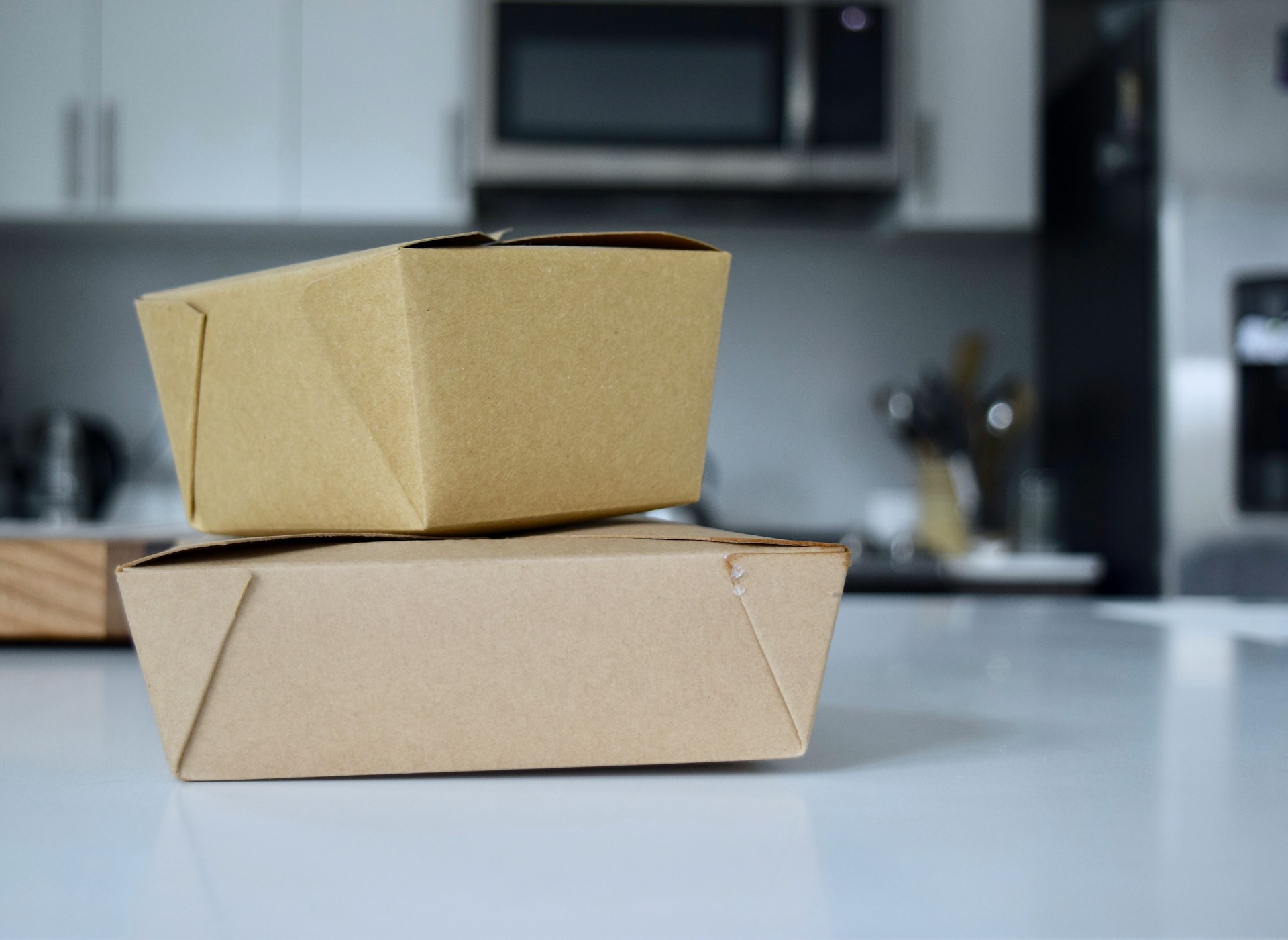
2. Paper and Paperboard Food Packaging
Paper and paperboard are commonly used for dry foods, bakery products, cereals, frozen foods, takeaway meals, beverages, and secondary packaging.
Common formats include:
- Folding cartons
- Corrugated boxes
- Paper bags
- Wrappers
- Cups
- Sleeves
- Food trays
- Pizza boxes
- Beverage cartons
Paper provides a useful surface for colors, illustrations, product information, and brand messaging. It is also lightweight and familiar to consumers.
Plain paper, however, provides limited protection against water, oil, grease, and oxygen. Food packages may therefore include a coating, liner, or inner bag.
Advantages of paper food packaging
- Lightweight
- Easy to print and customize
- Suitable for many box and bag formats
- Can be made from renewable fiber
- Many clean paper products are widely recyclable
- Easy to fold, stack, store, and transport
- Creates a natural or traditional appearance
Disadvantages of paper food packaging
- Weakens when exposed to moisture
- May absorb oil and grease
- Can tear or crush
- Often needs coatings or additional layers
- Food residue may affect recyclability
- Some laminated or heavily coated paper is difficult to process
Businesses should not assume every paper package is recyclable. Coatings, plastic windows, adhesives, food residue, and multilayer structures can influence disposal options.
3. Glass Food Packaging
Glass has a long history in food and beverage packaging. It is commonly used for:
- Sauces
- Jams and preserves
- Pickles
- Baby food
- Cooking oils
- Spices
- Juice
- Soft drinks
- Premium beverages
Glass provides a strong barrier against moisture and gases. It does not easily absorb flavors or odors, and clear glass lets customers see the food inside.
Colored glass may be selected for products that need greater protection from light.
Advantages of glass food packaging
- Strong barrier against gases and moisture
- Does not easily absorb flavors or odors
- Creates a premium appearance
- Transparent options show the product
- Suitable for many hot-fill and heat-processing applications
- Can be reused in properly designed systems
- Can be recycled repeatedly where accepted
Disadvantages of glass food packaging
- Heavier than plastic, paper, or aluminum
- Can increase transportation costs
- Can break during production, shipping, or use
- Requires careful handling
- Broken glass may create a safety risk
- Often needs dividers or stronger secondary packaging
Glass can be a strong choice for premium foods, but businesses should calculate the added costs of shipping, protective packaging, and breakage.
4. Metal Food Packaging
Steel and aluminum are the two main metals used for food packaging. Metal containers offer strong physical protection and effective barriers against light, oxygen, and moisture.
Steel food cans
Steel is widely used for:
- Soup
- Beans
- Vegetables
- Fruit
- Seafood
- Meat
- Pet food
- Powdered products
When food is processed and sealed correctly, cans can support a long shelf life without refrigeration before opening.
The inside of a metal can may include a protective coating. The coating helps prevent unwanted interaction between the food and the metal, particularly with acidic products.
Aluminum food packaging
Aluminum is commonly used for:
- Beverage cans
- Food trays
- Foil lids
- Foil wraps
- Takeaway containers
- Pet food containers
- Single-serve portions
It is lighter than steel and provides an excellent barrier against light. Aluminum is also easy to form into trays, cans, and thin foil.
Advantages of metal food packaging
- Strong physical protection
- Excellent barrier against light
- Good resistance to oxygen and moisture
- Suitable for many heat-processing methods
- Supports long shelf-life products
- Stackable and durable
- Widely recognized as recyclable where accepted
Disadvantages of metal food packaging
- Can dent
- May be more expensive than some alternatives
- Metal cans are not transparent
- Internal coatings may be required
- Sharp edges can create a risk if damaged
- Production requires significant energy and specialized equipment
5. Aluminum Foil
Aluminum foil is extremely thin but provides an effective barrier against light, moisture, gases, and odors.
It is commonly used for:
- Chocolate wrappers
- Yogurt lids
- Butter wrappers
- Heat-sealed trays
- Sachets
- Household food wrap
- Multilayer flexible packaging
Foil may be used on its own, but it is frequently laminated with paper or plastic to improve strength, sealing, or print quality.
Advantages of aluminum foil
- Excellent light barrier
- Good resistance to moisture and gases
- Lightweight
- Can be folded closely around a product
- Withstands a wide range of temperatures
- Useful for cooking and reheating applications when properly designed
Disadvantages of aluminum foil
- Thin foil tears or punctures easily
- May react with certain foods if not properly protected
- Laminated foil can be difficult to recycle
- Wrinkles and dents easily
- Not suitable for microwave use unless specifically designed and instructed for it
6. Molded Fiber Packaging
Molded fiber packaging is made by shaping paper pulp or plant fiber into containers. Sources may include recycled paper, wood pulp, sugarcane fiber, or other agricultural fibers.
Common uses include:
- Egg cartons
- Drink carriers
- Produce trays
- Takeaway bowls
- Plates
- Food-service containers
- Protective inserts
Molded fiber has become popular with businesses looking for paper-based alternatives to certain plastic or foam products.
Advantages of molded fiber
- Lightweight
- Can be made from renewable or recycled fibers
- Useful for trays, bowls, and protective packaging
- Offers a natural appearance
- Can cushion products
- Some uncoated formats may be recyclable or compostable
Disadvantages of molded fiber
- Moisture and grease resistance varies
- Some products require coatings
- May lose strength when wet
- Surface texture is less smooth than plastic
- Not every format is suitable for hot or liquid food
- Disposal depends on coatings, food residue, and local facilities
Businesses should ask suppliers whether the fiber product is designed for direct food contact and suitable for the food’s temperature, moisture, and fat content.
7. Wood Food Packaging
Wood is less common for direct everyday food packaging, but it is still used for:
- Produce crates
- Wine boxes
- Cheese boxes
- Gift baskets
- Specialty food containers
- Shipping pallets
Can provide strength, ventilation, and a rustic or premium appearance.
Advantages of wood packaging
- Strong and durable
- Useful for transporting produce
- Can provide natural ventilation
- Suitable for premium presentation
- Some wooden packages can be reused
- Comes from a renewable resource when responsibly sourced
Disadvantages of wood packaging
- Heavier than paper or plastic
- Can absorb moisture and odors
- May splinter
- Requires appropriate cleanliness and treatment
- Can take up more storage space
- May cost more than common disposable materials
Wooden pallets and shipping materials may also need to meet specific treatment requirements when used in international trade.
8. Bioplastics
The term “bioplastic” can describe plastic made partly or fully from biological resources, plastic designed to biodegrade under certain conditions, or both. This is why the term can be confusing.
Examples include materials based on:
- Corn starch
- Sugarcane
- Cellulose
- Cassava
- Other renewable feedstocks
Bioplastics may be used for:
- Cold drink cups
- Food containers
- Produce bags
- Films
- Cutlery
- Coatings
- Flexible packaging
A biobased material is not automatically biodegradable. Similarly, a biodegradable material is not necessarily suitable for home composting.
Advantages of bioplastics
- Some use renewable raw materials
- Can reduce dependence on conventional fossil-based plastic
- Certain products are designed for commercial composting
- Can provide properties similar to conventional plastics
- May support particular sustainability goals
Disadvantages of bioplastics
- Disposal instructions may confuse customers
- Compostable plastics can contaminate conventional recycling
- Industrial composting may not be available locally
- Some materials perform poorly under heat or moisture
- Costs may be higher
- Environmental claims require careful explanation
- Biobased does not always mean recyclable or compostable
Businesses should clearly communicate whether a package is recyclable, commercially compostable, home compostable, or intended for general waste. These claims should be supported by appropriate testing and certification.
9. Multilayer and Composite Packaging
Sometimes one material cannot provide every required feature. Manufacturers may combine paper, plastic, foil, adhesives, and coatings into one package.
Common examples include:
- Coffee bags
- Snack wrappers
- Retort pouches
- Juice cartons
- Sauce sachets
- Vacuum packages
- Frozen food bags
One layer may provide strength, another may block oxygen, and another may allow the package to be heat-sealed.
Advantages of multilayer packaging
- Strong barrier performance
- Can protect sensitive foods
- Often lightweight
- Supports high-quality printing
- Can combine strength, flexibility, and sealability
- May help extend shelf life
Disadvantages of multilayer packaging
- Layers can be difficult to separate
- Recycling may not be widely available
- More complex to manufacture
- Material identification may be difficult for customers
- Requires careful evaluation of every food-contact component
Multilayer packaging demonstrates an important trade-off: a package can use little material and protect food effectively while still being difficult to recycle.
How Packaging Materials Protect Food
Businesses should look beyond the material’s appearance and consider the type of protection it provides.
Moisture protection
Dry foods such as crackers, cereal, and powdered products may become soft or form clumps when exposed to humidity. Plastic films, foil, glass, and metal can provide different levels of moisture resistance.
Oxygen protection
Oxygen can affect flavor, color, and quality in many foods. Coffee, nuts, meat, oils, and certain snacks may require packaging with a strong oxygen barrier.
Research into food packaging frequently measures oxygen transmission because controlling oxygen exposure can be important to package performance.
Light protection
Light can affect the quality of certain oils, beverages, dairy products, and vitamins. Metal, foil, printed cartons, and colored glass can help block or reduce light.
Grease resistance
Butter, fried foods, baked goods, and other oily products need materials that resist grease. Paper may require a suitable coating or liner for these applications.
Physical protection
Rigid plastic, glass, metal, corrugated cardboard, and molded fiber provide different levels of protection against crushing, punctures, vibration, and impacts.
How to Select the Best Material for a Food Product
Before choosing a material, consider the complete product and supply chain.
1. Identify the food’s characteristics
Ask whether the product is:
- Dry or moist
- Oily or acidic
- Solid, liquid, or powdered
- Sensitive to oxygen or light
- Frozen, refrigerated, or shelf-stable
- Served hot or cold
- Likely to stain, leak, or produce odors
2. Define the intended conditions of use
Consider:
- Filling temperature
- Storage temperature
- Contact time
- Freezing
- Refrigeration
- Microwave heating
- Oven heating
- Hot filling
- Pasteurization or other processing
A material that works for refrigerated food may not be suitable for microwave heating or high-temperature processing.
3. Determine the necessary shelf life
Long shelf-life products may need stronger barriers against oxygen, moisture, and light. Short-life local products may require less complex packaging.
Testing should be performed using the actual food and finished package under realistic conditions.
4. Review transportation requirements
Consider package weight, breakage, punctures, stacking, vibration, and temperature changes. A fragile container may require extra secondary packaging, increasing total cost and material use.
5. Check food-contact compliance
In the United States, the regulatory status of food-contact substances can depend on the food type and conditions of use. Businesses should obtain appropriate documentation from suppliers and confirm that the material is suitable for its specific application.
The FDA also reviews recycled plastic processes for food-contact applications because recycled plastic may contain contaminants from previous use. Using recycled content does not remove the need to evaluate food-contact safety.
6. Consider customer convenience
Ask whether customers can:
- Open the package easily
- Reseal it when necessary
- Store it safely
- Read the label
- Pour or serve the food cleanly
- Understand how to dispose of it
7. Compare environmental impact
Evaluate more than the appearance of the material. Consider:
- Amount of material used
- Product protection
- Shipping weight
- Recycled content
- Reusability
- Local recycling or composting access
- Risk of food waste
- Clarity of disposal instructions
A package that is technically recyclable may still not be recycled if local programs do not accept it.
Common Material-Selection Mistakes
Selecting a material based only on price
The cheapest package can become expensive if it causes leaks, spoilage, breakage, or customer complaints.
Assuming all “food-grade” materials work the same way
A material may be suitable for one food or temperature but unsuitable for another. Businesses should confirm the specific intended use.
Ignoring coatings, inks, and adhesives
A package includes more than its main material. Coatings, sealants, printing inks, adhesives, and closures may also affect performance and food-contact suitability.
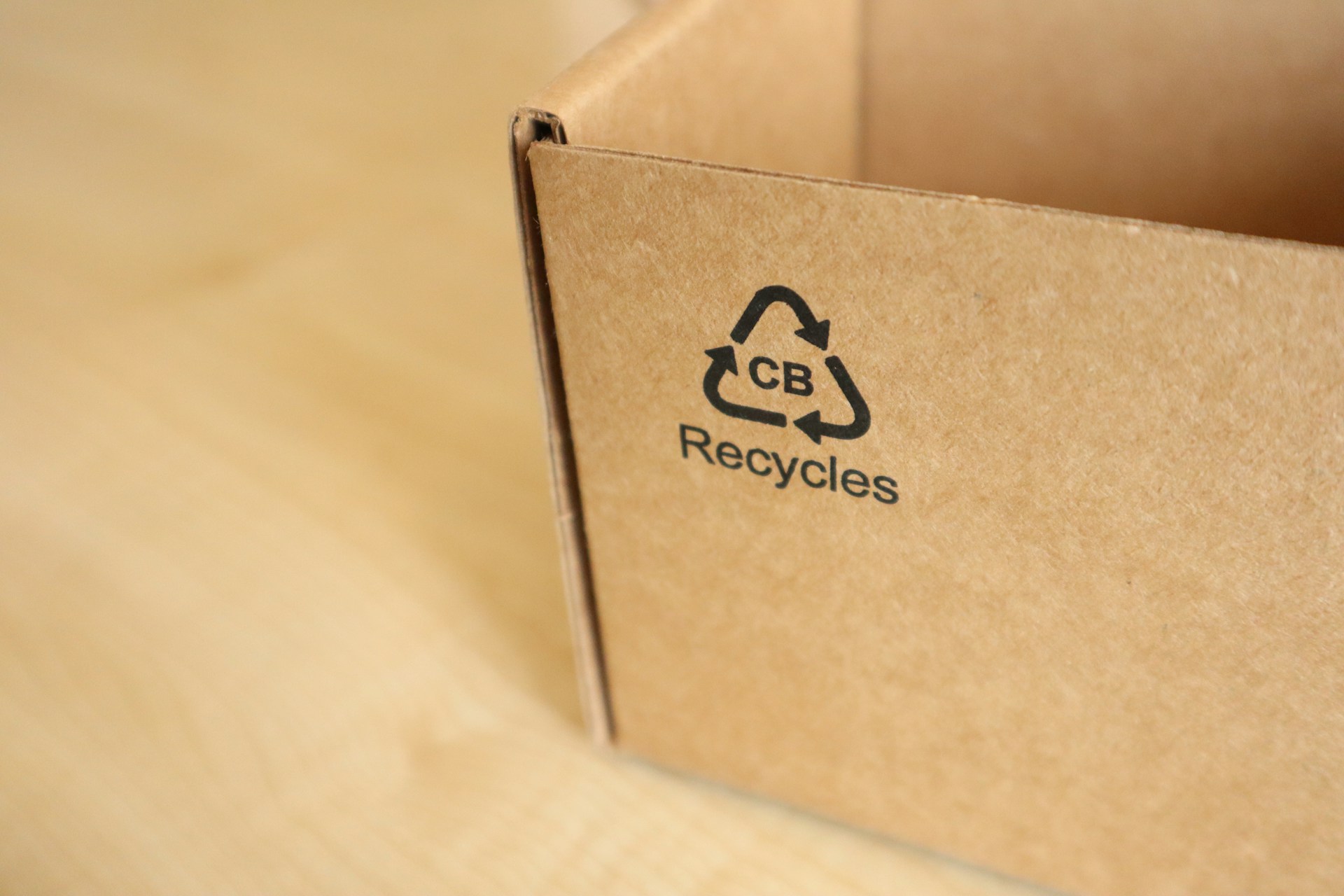
Believing every recyclable symbol guarantees recycling
Local programs accept different materials. Resin identification codes and recycling-style symbols do not guarantee that an item can go into a household recycling bin.
Choosing sustainability over food protection
Reducing unnecessary packaging is valuable, but the package must still protect the food. Poor protection can increase food waste and create greater costs.
Final Thoughts
Choosing a food packaging material requires balancing safety, product protection, shelf life, appearance, convenience, cost, transportation, and environmental impact.
Plastic offers flexibility and low weight. Paper provides excellent printability and a familiar appearance. Glass creates a strong barrier and premium presentation. Metal provides durability and long-term protection. Molded fiber and bioplastics offer additional possibilities, but their performance and disposal requirements must be evaluated carefully.
There is no universally perfect food packaging material. The best option is the one that performs reliably for the specific food, processing method, storage conditions, supply chain, and customer.
Frequently Asked Questions
What are the main materials used for food packaging?
The main materials are plastic, paper, paperboard, glass, steel, aluminum, foil, molded fiber, wood, bioplastics, and multilayer composites.
Which food packaging material is best?
There is no single best material. The right choice depends on the food, required shelf life, temperature, barrier needs, transportation, cost, and intended use.
What is the safest material for food packaging?
Safety depends on how the material is manufactured and used. A business should confirm that the complete package is suitable for the specific food, temperature, and contact time.
Why is plastic commonly used for food packaging?
Plastic is lightweight, versatile, moisture-resistant, and easy to form into bottles, trays, tubs, films, and pouches. Different plastic types offer different performance characteristics.
Is glass better than plastic for food packaging?
Glass offers strong barrier protection and a premium appearance, while plastic is generally lighter and less likely to break. The better option depends on the product and supply chain.
Is paper food packaging waterproof?
Plain paper is not waterproof. Paper food packaging may use coatings, liners, or additional layers to improve its resistance to water, grease, and moisture.
Are all food packages recyclable?
No. Recyclability depends on the material, coatings, food residue, package design, and local recycling system. Multilayer packages can be particularly difficult to recycle.
What is multilayer food packaging?
Multilayer packaging combines two or more materials to provide features such as strength, heat sealing, printability, and protection from oxygen, moisture, or light.
Are bioplastics always compostable?
No. Biobased, biodegradable, and compostable describe different characteristics. Businesses and consumers should follow the package’s certified disposal instructions.
Can recycled plastic be used for food packaging?
Recycled plastic can be used in certain food-contact applications when its safety and regulatory status have been properly evaluated. Businesses should obtain documentation from their packaging supplier.