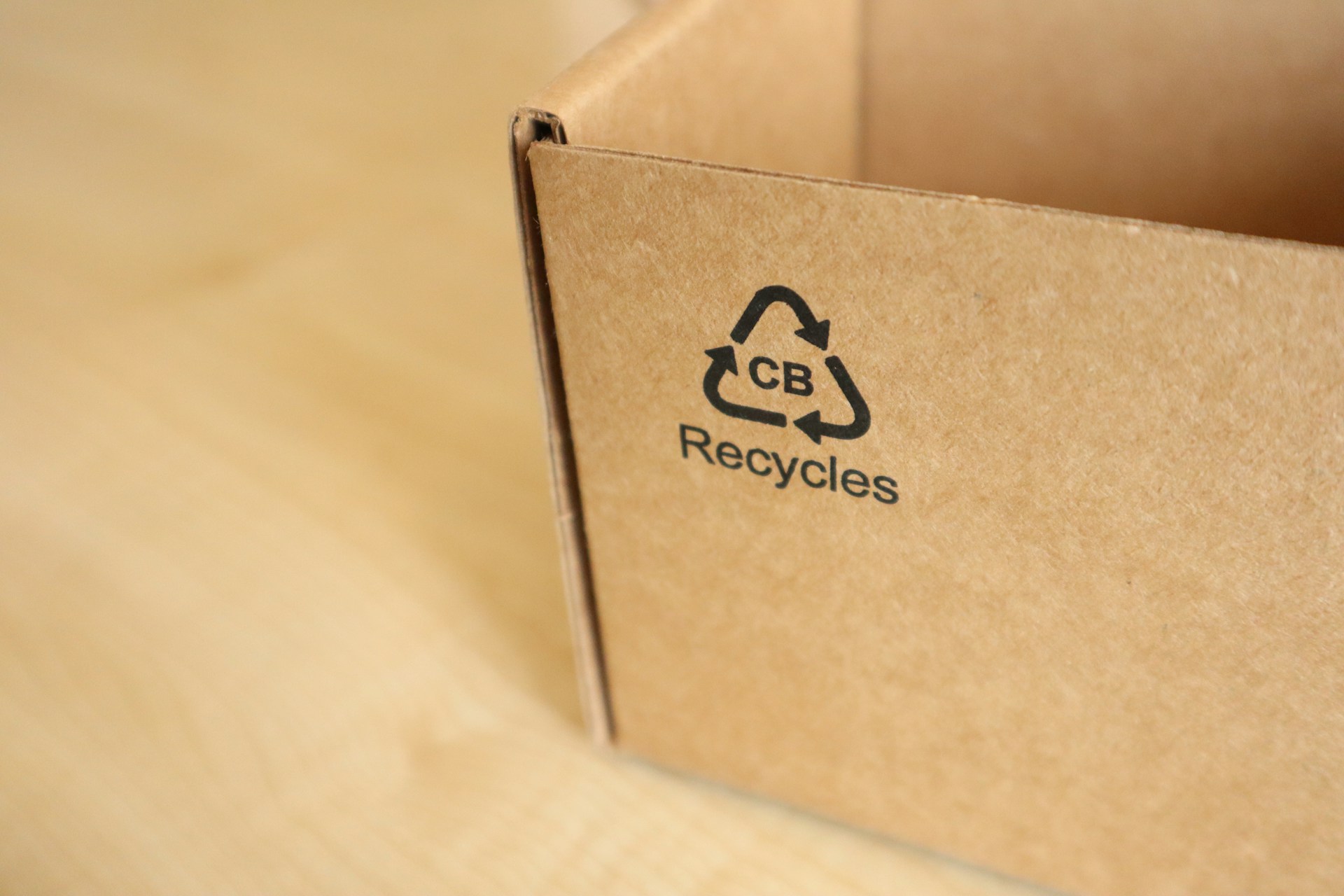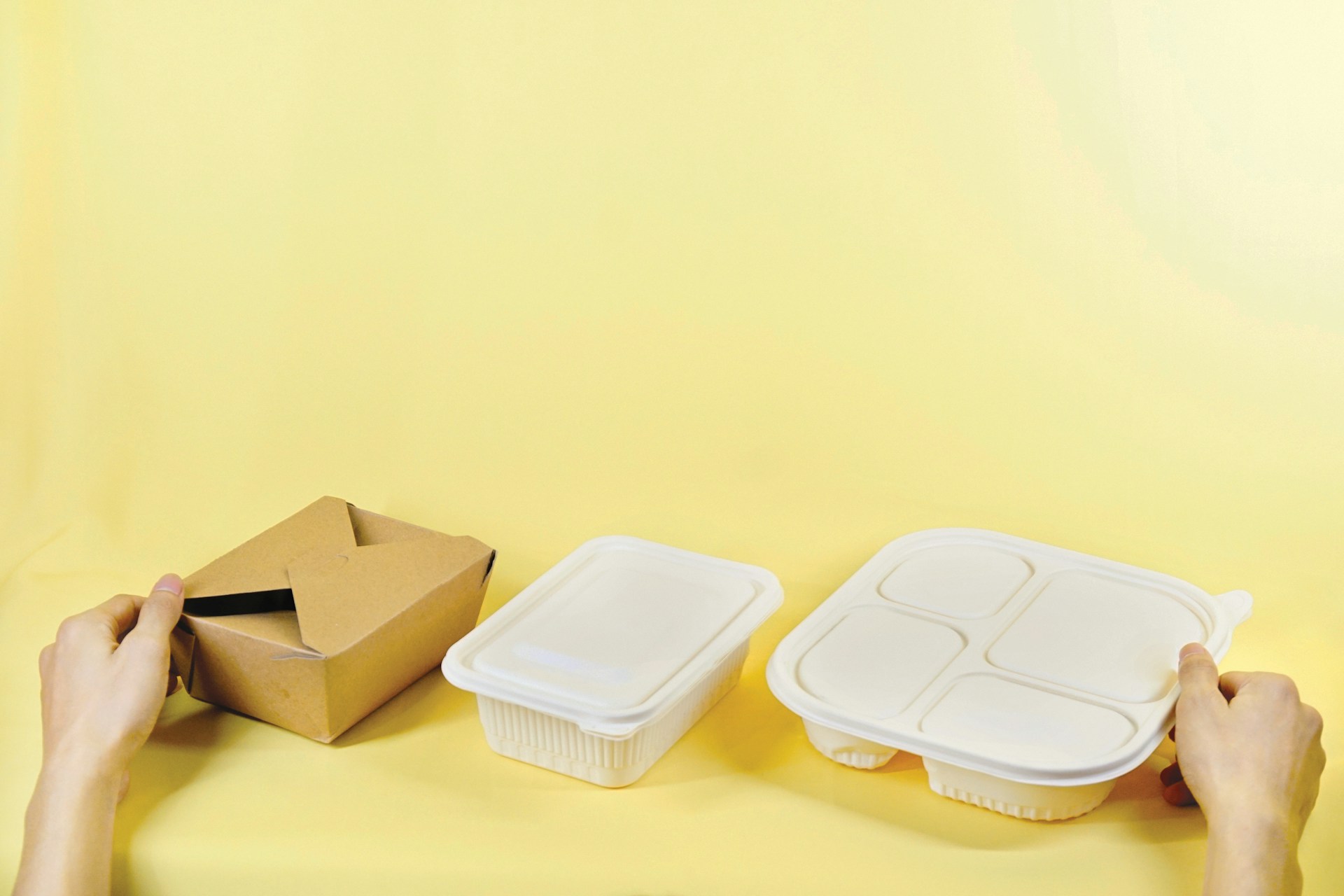

Food packaging is expected to protect food, but the package itself must also be safe and suitable for its intended use.
A container may look clean and strong while still being inappropriate for a certain food, temperature, or storage period. Packaging designed for dry cereal may not work for hot soup. A plastic tub intended for refrigeration may not be suitable for microwave heating. Inks, coatings, adhesives, and closures must also be considered—not only the main packaging material.
Food packaging safety involves selecting suitable materials, controlling contamination during manufacturing, testing package performance, maintaining reliable seals, and verifying suppliers.
This guide explains the major food packaging hazards, safety standards, testing methods, and practical controls businesses should understand.
What Is Food Packaging Safety?
Food packaging safety is the process of making sure packaging protects food without introducing unacceptable physical, chemical, or biological risks.
Safe packaging should:
- Be suitable for contact with the intended food
- Perform correctly at the expected temperature
- Protect food from contamination
- Maintain its strength throughout storage and transportation
- Prevent leaks and unwanted exposure
- Use properly controlled inks, coatings, adhesives, and additives
- Remain traceable through the supply chain
- Meet applicable regulatory requirements
- Be manufactured, stored, and handled under hygienic conditions
Safety depends on the complete packaging system. A suitable bottle can still fail if its cap leaks. A strong pouch can become unsafe if food becomes trapped inside the sealing area.
For an overview of packaging types, materials, design, and regulations, visit our complete guide to food packaging.
Why Food Packaging Safety Matters
Packaging is a barrier between food and the outside environment. If that barrier fails, food may be exposed to moisture, oxygen, dirt, pests, microorganisms, or physical damage.
Unsafe or unsuitable packaging can cause:
- Food contamination
- Product spoilage
- Leaks
- Broken seals
- Unwanted chemical migration
- Changes in flavor or odor
- Reduced shelf life
- Customer complaints
- Product recalls
- Legal and financial consequences
- Damage to the brand’s reputation
Packaging safety is therefore not a final check performed after production. It should be considered during material selection, design, manufacturing, filling, sealing, storage, and distribution.
Major Food Packaging Safety Hazards
Food packaging hazards are commonly divided into chemical, biological, and physical categories.
1. Chemical Hazards
Food-contact materials may contain polymers, additives, coatings, adhesives, colorants, printing inks, or processing aids. Under certain conditions, small amounts of packaging components may move into food. This process is known as migration.
Migration can be influenced by:
- Type of food
- Fat content
- Acidity
- Alcohol content
- Temperature
- Contact time
- Package surface area
- Material composition
- Repeated use
- Heating method
- Storage conditions
The FDA evaluates factors such as the identity of migrating components, estimated dietary exposure, and toxicological information when reviewing food-contact substances.
Packaging components that require attention
A food package may include:
- Base material
- Coatings
- Printing inks
- Adhesives
- Sealants
- Plasticizers
- Colorants
- Closures
- Lid liners
- Labels
- Recycled content
- Processing aids
Even when printing does not intentionally touch food, poor package design or handling can sometimes create unwanted contact or transfer.
Reducing chemical risks
Businesses should:
- Use packaging intended for the specific food
- Confirm temperature and contact-time limitations
- Obtain food-contact documentation from suppliers
- Control inks, coatings, adhesives, and additives
- Prevent unintended set-off from printed surfaces
- Evaluate recycled materials carefully
- Perform migration or compatibility testing when appropriate
- Keep documentation connected to the exact material and supplier
The phrase “food grade” by itself is not enough. The package should be suitable for the particular food and conditions of use.
2. Biological Hazards
Packaging can become contaminated during manufacturing, transportation, storage, or filling.
Possible sources include:
- Dirty equipment
- Poor employee hygiene
- Pests
- Standing water
- Dust
- Contaminated air
- Improper storage
- Damaged wrapping
- Unsanitary transportation
- Contact with floors or walls
Packaging does not need to look dirty to carry contamination. Businesses should use hygienic manufacturing and handling procedures appropriate to the risk.
Controlling biological hazards
Important controls include:
- Documented cleaning procedures
- Pest management
- Employee hygiene rules
- Protected storage areas
- Separation of clean and dirty activities
- Control of water and condensation
- Proper air handling where necessary
- Inspection of incoming materials
- Protection of finished packaging
- Control of returned or damaged materials
Packaging for ready-to-eat food may require particularly careful handling because the food may receive no further processing before consumption.
3. Physical Hazards
Physical contamination can come from packaging itself or from the manufacturing environment.
Examples include:
- Glass fragments
- Metal pieces
- Wood splinters
- Hard plastic fragments
- Loose fasteners
- Damaged blades
- Staples
- Stones
- Jewelry
- Personal items
- Pieces of broken equipment
Reducing physical hazards
Controls may include:
- Glass and brittle-plastic registers
- Routine equipment inspection
- Blade-control procedures
- Tool accountability
- Preventive maintenance
- Housekeeping
- Protective clothing
- Foreign-material detection
- Documented response to breakage incidents
The appropriate control depends on the material, facility, and product risk.
Intended Conditions of Use
A package can be safe in one situation and unsuitable in another.
The FDA identifies food-contact conditions ranging from high-temperature sterilization and hot filling to room-temperature storage, refrigeration, freezing, reheating, and high-temperature cooking.
Before approving packaging, businesses should define:
- Food type
- Acidity
- Moisture and fat content
- Alcohol content, if applicable
- Filling temperature
- Storage temperature
- Contact duration
- Heating or reheating method
- Single-use or repeated-use conditions
Hot-fill packaging
Hot filling can expose containers, closures, seals, labels, and adhesives to elevated temperatures. Packaging must maintain its shape, seal, and barrier properties throughout filling and cooling.
Frozen-food packaging
Freezing may make some materials brittle. Frozen packaging should resist cracking, punctures, moisture loss, and seal failure under low-temperature conditions.
Microwave and oven packaging
Packages intended for heating must be designed and tested for the stated method, time, and temperature.
A microwave-safe container is not automatically oven-safe. Customers should receive clear preparation and handling instructions.
Acidic and fatty foods
Acidic or fatty foods can interact differently with packaging materials. Compatibility and migration evaluations should reflect the actual food or a suitable food-simulating test system.
Food Packaging Safety Standards
Regulations and voluntary standards are related, but they are not the same.
Regulations establish legal requirements. Standards provide structured systems and practices that organizations may adopt or be required to follow by customers or certification programs.
The standards relevant to a business depend on its location, customers, food products, materials, and role in the supply chain.
ISO 22000
ISO 22000 is an international food-safety management-system standard for organizations in the food chain.
It combines management-system principles with food-safety hazard control. Its approach includes:
- Leadership and management responsibility
- Risk-based thinking
- Hazard identification
- Operational controls
- Communication
- Traceability
- Emergency preparedness
- Monitoring and measurement
- Corrective action
- Continual improvement
The current base standard is ISO 22000:2018, which ISO confirmed as current following review in 2023.
Certification may be requested by customers, but using the standard does not replace compliance with applicable laws.
ISO 22002-4
ISO 22002-4 focuses specifically on prerequisite programs for food-packaging manufacturing.
The 2025 edition covers hygiene and operational conditions that help control food-safety hazards in packaging production.
Topics can include:
- Facility layout
- Utilities
- Waste disposal
- Equipment suitability
- Cleaning
- Pest control
- Employee hygiene
- Storage
- Transportation
- Contamination prevention
- Product information
- Food defense
Prerequisite programs create the basic hygienic environment needed before more specific hazard controls can work effectively.
BRCGS Global Standard for Packaging Materials
The BRCGS Global Standard for Packaging Materials is a certification standard used by packaging manufacturers and their customers.
Issue 7 is the current published edition. It addresses areas such as:
- Senior-management commitment
- Hazard and risk management
- Product safety and quality systems
- Site standards
- Product and process controls
- Employee requirements
- Inspection and testing
- Traceability
- Corrective action
Retailers and food manufacturers may ask packaging suppliers to hold certification against this or another recognized standard.
Certification can provide useful evidence of a structured management system, but buyers should still confirm that the specific packaging is suitable for their food and intended use.
Good Manufacturing Practices
Good manufacturing practices, often shortened to GMPs, are the basic controls used to manufacture and handle products consistently and hygienically.
For food packaging, GMPs may cover:
- Facility cleanliness
- Employee hygiene
- Equipment maintenance
- Material identification
- Contamination prevention
- Production controls
- Storage conditions
- Waste management
- Pest control
- Documentation
- Training
- Traceability
A clean-looking facility is not enough. Procedures should be documented, followed, checked, and improved when problems occur.
Hazard Analysis and Risk Assessment
Packaging manufacturers and food businesses should identify hazards before they cause a problem.
A basic hazard-analysis process includes:
- Describe the package and its intended use.
- Map the manufacturing and filling process.
- Identify possible biological, chemical, and physical hazards.
- Evaluate the likelihood and seriousness of each hazard.
- Select suitable preventive controls.
- Define monitoring activities.
- Establish corrective actions.
- Verify that controls work.
- Maintain records.
- Review the analysis when products or processes change.
The process should consider normal use as well as reasonably foreseeable misuse.
Food Packaging Testing Methods
Testing helps confirm that packaging is safe, compatible, strong, and suitable for its intended use.
Not every package needs every test. The test plan should reflect the product, material, process, shelf life, and distribution risks.
Migration Testing
Migration testing evaluates whether packaging components transfer into food or suitable food simulants under defined conditions.
Testing variables may include:
- Food type or food simulant
- Temperature
- Contact time
- Surface-area ratio
- Intended storage
- Repeated-use conditions
- Target chemical substances
Migration testing may be especially important when:
- Introducing a new material
- Changing a formulation
- Increasing temperature or contact time
- Using recycled content
- Changing inks, coatings, or adhesives
- Entering a new market
- Investigating an unusual odor or taste
Testing should be designed and interpreted by qualified specialists.
Overall and Specific Migration
Depending on the market and requirement, migration evaluation may include:
- Overall migration, which measures the total amount of nonvolatile material transferred under the test conditions
- Specific migration, which measures the transfer of a particular substance
The required approach depends on the material, applicable regulations, and intended market.
Seal-Integrity Testing
A package can use suitable materials and still fail because of a weak or incomplete seal.
Seal problems may be caused by:
- Food trapped in the sealing area
- Incorrect sealing temperature
- Insufficient pressure
- Excessive or insufficient sealing time
- Wrinkles
- Misalignment
- Damaged sealing equipment
- Material variation
Testing methods may include:
- Seal-strength testing
- Burst testing
- Dye-penetration testing
- Vacuum testing
- Pressure-decay testing
- Bubble-leak testing
- Visual inspection
The FDA’s container-integrity guidance identifies many closure defects, including improper pouch seals, delamination, cracked glass finishes, and faulty metal-can seams.
Barrier Testing
Barrier tests measure how well packaging controls substances that may affect food quality.
Common evaluations include:
- Oxygen transmission rate
- Water-vapor transmission rate
- Light transmission
- Aroma or odor barrier
- Grease resistance
The correct barrier level depends on the food and desired shelf life.
Physical and Mechanical Testing
Packaging must withstand manufacturing, storage, transportation, and customer use.
Tests may include:
- Drop testing
- Compression testing
- Puncture testing
- Tensile testing
- Tear testing
- Vibration testing
- Impact testing
- Top-load testing
- Handle-strength testing
Testing should include the filled package whenever possible because an empty container may perform differently.
Temperature Testing
Temperature testing examines package performance under:
- Refrigeration
- Freezing
- Hot filling
- Pasteurization
- Microwave reheating
- Oven heating
- Temperature cycling
- Warehouse heat
Businesses should check the container, closure, seal, label, ink, and adhesive—not only the main material.
Sensory Testing
Packaging can sometimes affect a food’s flavor, aroma, or appearance.
Sensory testing may evaluate:
- Unusual odors
- Flavor changes
- Discoloration
- Loss of aroma
- Texture changes
Tests should use the actual food and realistic storage conditions.
Microbiological Testing
Microbiological testing may be needed when packaging cleanliness, seal failure, shelf life, or contamination is a concern.
The testing plan should be developed with qualified food-safety professionals and should reflect the actual product risk.
Supplier Verification
A packaging supplier should provide more than a product image and price.
Ask suppliers for:
- Complete material description
- Intended food-contact use
- Temperature limitations
- Applicable compliance documentation
- Food types for which the package is suitable
- Test reports where appropriate
- Manufacturing-site certifications
- Lot or batch traceability
- Change-notification procedures
- Allergen or contamination statements where relevant
- Information about inks, coatings, adhesives, and closures
- Storage and handling instructions
- Complaint and recall procedures
Verify the exact product
Documents should match:
- Supplier
- Manufacturing site
- Material or product code
- Color
- Thickness
- Formulation
- Closure
- Intended use
A general certificate for a similar product may not provide enough assurance.
Hygiene in Packaging Manufacturing
Safe materials can become contaminated if they are manufactured or stored poorly.
A packaging facility should control:
Employee hygiene
Requirements may cover:
- Handwashing
- Protective clothing
- Jewelry
- Illness reporting
- Eating and drinking
- Personal items
- Movement between areas
Cleaning
Cleaning programs should identify:
- What must be cleaned
- How it is cleaned
- Which chemicals are used
- Who is responsible
- Cleaning frequency
- How effectiveness is verified
Pest control
Facilities should prevent and monitor insects, rodents, birds, and other pests.
Material storage
Raw materials and finished packaging should be protected from:
- Dust
- Moisture
- Chemicals
- Pests
- Direct floor contact
- Physical damage
- Uncontrolled temperatures
- Unapproved materials
Maintenance
Temporary repairs, lubricants, loose parts, and damaged equipment can create contamination risks. Maintenance work should be controlled and documented.
Traceability and Recall Readiness
Packaging businesses should be able to trace materials from suppliers through production and delivery.
A traceability system may record:
- Supplier name
- Raw-material lot
- Production date
- Machine or production line
- Operator or shift
- Ink, coating, and adhesive batches
- Inspection results
- Finished-product lot
- Customer shipment
Traceability allows a business to identify affected packaging quickly without recalling unrelated products.
Mock recalls or traceability exercises can test whether the system works within a reasonable period.
Managing Packaging Changes
Changes can introduce new risks even when they appear minor.
A formal review should be completed when changing:
- Material supplier
- Resin or fiber source
- Recycled content
- Color or additive
- Ink
- Adhesive
- Coating
- Package thickness
- Seal design
- Closure
- Manufacturing location
- Processing temperature
- Food formula
- Storage period
The review should determine whether new testing, documentation, or regulatory evaluation is needed.
Suppliers should be required to notify customers before making relevant changes.
Food Packaging Safety Best Practices
Businesses can strengthen packaging safety by following these practices:
Define the intended use clearly
Document the food type, temperature, contact time, storage conditions, and heating method.
Buy from qualified suppliers
Evaluate the supplier’s systems, documentation, experience, and history—not just price.
Test the complete package
Include the container, seal, closure, label, ink, and food.
Maintain specifications
Written specifications should define the package’s material, dimensions, performance, and acceptance criteria.
Inspect incoming packaging
Check for:
- Damage
- Dirt
- Odors
- Incorrect dimensions
- Printing defects
- Seal problems
- Wrong material
- Missing lot information
Control storage
Keep packaging dry, clean, protected, and separated from chemicals or contamination sources.
Train employees
Workers should understand hygiene, material handling, defect identification, traceability, and reporting procedures.
Monitor production
Critical package characteristics should be checked at a defined frequency.
Investigate complaints
Leaks, odors, broken seals, and damaged containers may reveal a larger problem. Record complaints and look for patterns.
Keep records
Documentation should show what was checked, by whom, when, and what happened when a result was unacceptable.
Common Food Packaging Safety Mistakes
Relying only on the term “food grade”
Suitability depends on food type, temperature, contact time, and processing conditions.
Testing an empty package only
Filled packages can behave differently during storage and transportation.
Ignoring closures and seals
Many packaging failures occur at caps, lids, seams, or seals rather than through the main container.
Using packaging outside its intended temperature range
Cold-food containers should not automatically be used for hot filling, microwaving, or oven heating.
Accepting incomplete supplier documents
Documents should match the exact packaging product and intended use.
Failing to control changes
A new ink, adhesive, or material supplier can affect safety and performance.
Treating certification as a guarantee
Certification shows that a management system has been assessed. It does not remove the buyer’s responsibility to verify the package’s suitability.
Food Packaging Safety Checklist
Before using a food package, confirm:
- Is the material suitable for the food?
- Are temperature limits documented?
- Is the intended contact time covered?
- Are inks, coatings, adhesives, and closures included in the assessment?
- Has the supplier provided relevant documentation?
- Can each lot be traced?
- Has migration or compatibility testing been considered?
- Has seal integrity been tested?
- Can the package survive transportation?
- Are storage conditions controlled?
- Are employees trained?
- Is there a written change-control process?
- Are complaints investigated?
- Is a recall or withdrawal procedure available?
- Does the package meet applicable market requirements?
Final Thoughts
Food packaging safety depends on more than choosing a container that looks clean or carries a “food-grade” description.
Businesses must consider the food, temperature, contact time, shelf life, processing method, materials, inks, coatings, adhesives, closures, and distribution conditions. Suppliers should be verified, packaging should be tested, and changes should be controlled.
Standards such as ISO 22000, ISO 22002-4, and the BRCGS Packaging Materials Standard can help businesses create structured safety systems. However, certification and testing must work alongside applicable legal requirements and careful evaluation of the actual package.
The safest approach is to define the intended use clearly, obtain reliable documentation, test the finished package with the food, and monitor performance throughout production and distribution.
Frequently Asked Questions
What is food packaging safety?
Food packaging safety means ensuring that packaging protects food without introducing unacceptable chemical, biological, or physical risks under its intended conditions of use.
What are the main hazards in food packaging?
The main categories are chemical hazards, biological contamination, and physical foreign materials. Package failure and incorrect use can also create safety risks.
What is migration in food packaging?
Migration is the movement of substances from packaging into food. It can be influenced by the food type, material, temperature, contact time, and conditions of use.
What does food-grade packaging mean?
The term generally indicates that packaging is intended for food contact. Businesses should still confirm that it is suitable for their specific food, temperature, and contact time.
What is ISO 22000?
ISO 22000 is an international food-safety management-system standard for organizations throughout the food chain.
What is ISO 22002-4?
ISO 22002-4 provides prerequisite-program requirements for food-packaging manufacturing, including controls for hygiene, contamination, facilities, storage, and operations.
What food packaging tests are commonly used?
Common tests include migration, seal strength, leakage, oxygen transmission, moisture transmission, drop, compression, vibration, temperature, and sensory testing.
Why is seal integrity important?
A weak or incomplete seal may allow leaks, contamination, oxygen, or moisture to enter the package. This can affect safety, freshness, and shelf life.
What documents should a packaging supplier provide?
Useful documents include technical specifications, food-contact compliance information, intended-use conditions, test reports, certifications, traceability details, and change-notification procedures.
Does packaging certification guarantee that a material is safe?
No. Certification can demonstrate that a management system has been assessed, but businesses must still verify that the exact package is suitable for the intended food and use.