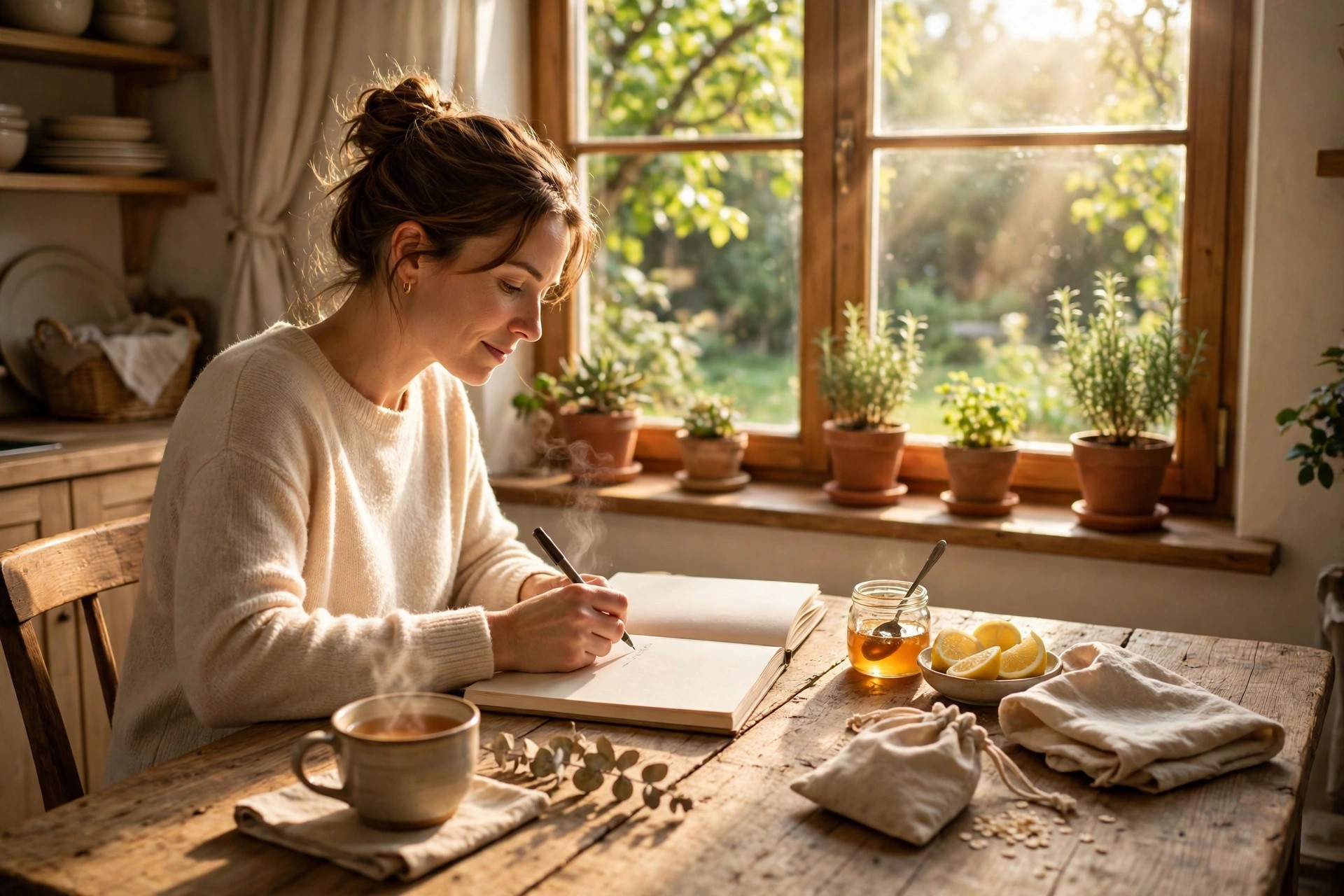
Gratitude is one of the simplest habits you can build, and one of the most powerful. It costs nothing, takes only a few minutes a day, and slowly changes the way you see your life — not by ignoring problems, but by noticing what is already good alongside them. This guide explains how to practice gratitude daily, with practical steps that fit into a normal, busy life.
You do not need a special journal, a morning routine that starts at dawn, or a personality that is naturally optimistic. Gratitude is a skill, and like any skill it grows with practice. Many people find that writing it down helps at first — learning how to start journaling for a few minutes a day is one of the easiest ways to make gratitude stick, because the written word slows you down enough to actually feel it.
What Is Gratitude, Really?
Gratitude is the practice of noticing and appreciating the good things in your life — big and small. It is not about pretending everything is perfect. You can be grateful for a warm cup of coffee on a hard day, for a friend who listened, or for your own health, while still being honest about the things that are difficult.
The key difference between gratitude and positive thinking is attention. Positive thinking tries to change how you feel about a situation. Gratitude simply directs your attention to what is already there: the people, comforts, opportunities, and small pleasures you usually rush past. Over time, that shift in attention changes what your days feel like, even when nothing else changes.
Why Practising Gratitude Daily Matters
Research in psychology has repeatedly linked regular gratitude practice with better mood, stronger relationships, and greater resilience when life gets hard. People who practise gratitude tend to notice more good things, sleep better, and feel more connected to the people around them. None of this happens overnight — the benefits build slowly, the way exercise builds fitness.
Daily practice matters because our brains have a built-in negativity bias: we notice threats and problems far more easily than we notice good things. Gratitude is the counterweight. A few minutes a day of deliberately noticing what went well trains your attention the way a workout trains a muscle. It also helps with stress — when you regularly practise simple ways to reduce stress every day, gratitude fits naturally alongside them, because both work by calming the mind and widening your perspective.
10 Simple Ways to Practice Gratitude Daily
1. Write down three good things every evening
Each night, write down three things that went well that day and why. They do not have to be big — a kind message, a good meal, a problem solved at work. The “why” matters: it forces you to think about the cause, which makes the memory stick and trains you to spot good things as they happen.
2. Start the morning with one thing you are grateful for
Before you check your phone, name one thing you are grateful for — your bed, your health, a person you love, the day ahead. It takes ten seconds and sets the tone for the whole day. Some people say it out loud; others just think it while the kettle boils.
3. Keep a gratitude journal
A dedicated notebook, even a cheap one, gives gratitude a home. Write a few lines a day: what you noticed, who helped you, what made you smile. On hard days, reading back through old entries reminds you that good days exist and that this one will pass too.
4. Say thank you properly
Thank people specifically, not just politely. Instead of a quick “thanks”, try “thank you for staying late to help me finish that — it really mattered.” Specific thanks feel better to give and to receive, and they strengthen relationships far more than a passing word.
5. Use gratitude at mealtimes
Before eating, take a moment to notice the food, the people who grew and cooked it, and the fact that you have a meal at all. You do not need a formal prayer — a quiet pause of ten seconds is enough. It turns an everyday habit into a daily reminder of abundance.
6. Notice the small, ordinary things
Hot water, clean sheets, a sunny morning, a song you love, a stranger holding a door. Most of life’s good things are small and easy to miss. Make a game of spotting three small pleasures a day — it sharpens your attention and makes ordinary days feel richer.
7. Write a gratitude letter
Once a month, write a short letter to someone who made a difference in your life — a teacher, a friend, a family member — and tell them what they did and what it meant to you. You can send it or keep it private. Either way, writing it forces you to think deeply about the good that person brought into your life.
8. Practise gratitude when things go wrong
This is the hardest version, and the most useful. When something goes wrong, ask: “What is still okay? What did I learn? Who helped me?” You are not denying the problem — you are refusing to let it be the whole story. Even a cancelled plan can hide something to appreciate, like an unexpected free evening.
9. Share gratitude with others
Make gratitude social. Tell your partner one thing you appreciated about them today. Ask your children what the best part of their day was. Start a family tradition of sharing one good thing at dinner. Shared gratitude multiplies — hearing someone else’s good news lifts your mood too.
10. End the day with a gratitude review
Before sleep, replay your day and pick the best moment. Let yourself feel it again for a few seconds. This is a gentle way to close the day, and it replaces the habit of lying awake replaying worries. Over time, your brain starts collecting good moments during the day, knowing you will review them tonight.
Making Gratitude a Lasting Habit
The biggest mistake with gratitude is trying to do too much at once. Pick one practice from the list above — the evening three-good-things list is the easiest starting point — and do it every day for two weeks before adding anything else. Attach it to something you already do, like brushing your teeth or making your evening tea, so it becomes automatic.
It also helps to treat gratitude as part of a wider approach to looking after yourself. It works best alongside other simple habits: enough sleep, regular movement, and time for yourself. If you are building healthy lifestyle habits one at a time, gratitude is one of the cheapest and easiest to add. The same goes for rest: when you improve your sleep quality, you wake up with more patience and a clearer mind, which makes noticing good things much easier. And when life gets busy, remember that practising self-care is not selfish — it is what keeps you able to show up for other people, and gratitude is a small, daily form of that care.
Some days gratitude will feel easy. Other days it will feel forced, especially when life is hard. That is normal. The practice still counts on the hard days — perhaps most of all then. You do not need to feel grateful to practise gratitude; you practise it, and the feeling follows.
The Bottom Line
Learning how to practice gratitude daily is not about becoming a different person. It is about paying attention to the good that is already in your life — three things a night, a thank-you said properly, a small pleasure noticed on an ordinary day. Start with one practice, keep it small, and give it a few weeks. The change is quiet and gradual, but most people who stick with it say the same thing: life does not get easier, but it starts to feel fuller.
Frequently Asked Questions
How long does it take for gratitude practice to work?
Most people notice a small shift in mood within two to three weeks of daily practice, with bigger changes after a month or two. The key is consistency, not intensity — a few minutes every day works better than a long session once in a while.
What should I write in a gratitude journal?
Write three things that went well or that you appreciated that day, with a sentence about why each one mattered. They can be small — a good coffee, a kind word, a problem solved — or big. Specific details work better than general ones, because they help you relive the moment.
Can gratitude really improve my mental health?
Regular gratitude practice is linked in research with better mood, lower stress, and stronger relationships, though it is not a treatment for depression or anxiety on its own. Think of it as a supportive daily habit, like exercise or sleep — helpful for most people, but not a replacement for professional help when you need it.
What if I can’t think of anything to be grateful for?
Start with the basics: a roof, a meal, your health, a person who cares about you, or simply the fact that you made it through today. On hard days, gratitude can be as simple as noticing one small comfort, like a warm shower or a quiet moment. The list grows easier with practice.
Is it better to practise gratitude in the morning or evening?
Either works — the best time is the one you will actually stick to. Mornings set a positive tone for the day, while evenings help you reflect and wind down for sleep. Many people do both: one grateful thought in the morning and a short written list at night.
More Articles You’ll Like
Keep reading — more from this category and across the site:
- How to Start a Morning Routine That Actually Works
- How to Build a Bedtime Routine That Helps You Sleep Better
- How to Declutter Your Home in a Weekend: A Room-by-Room Guide
- How to Build a Workout Routine for Beginners
- How to Do a Digital Detox: A Practical Guide to Unplugging
- How to Eat Healthy on a Budget: Practical Tips That Work
- How to Stay Active While Working From Home: 15 Easy Ways
- Meal Prep for Beginners: A Simple Guide to Eating Well
- 50 Funny Christmas Cookie Jokes for Kids and Adults
- How to Create a Social Media Marketing Plan for Small Business