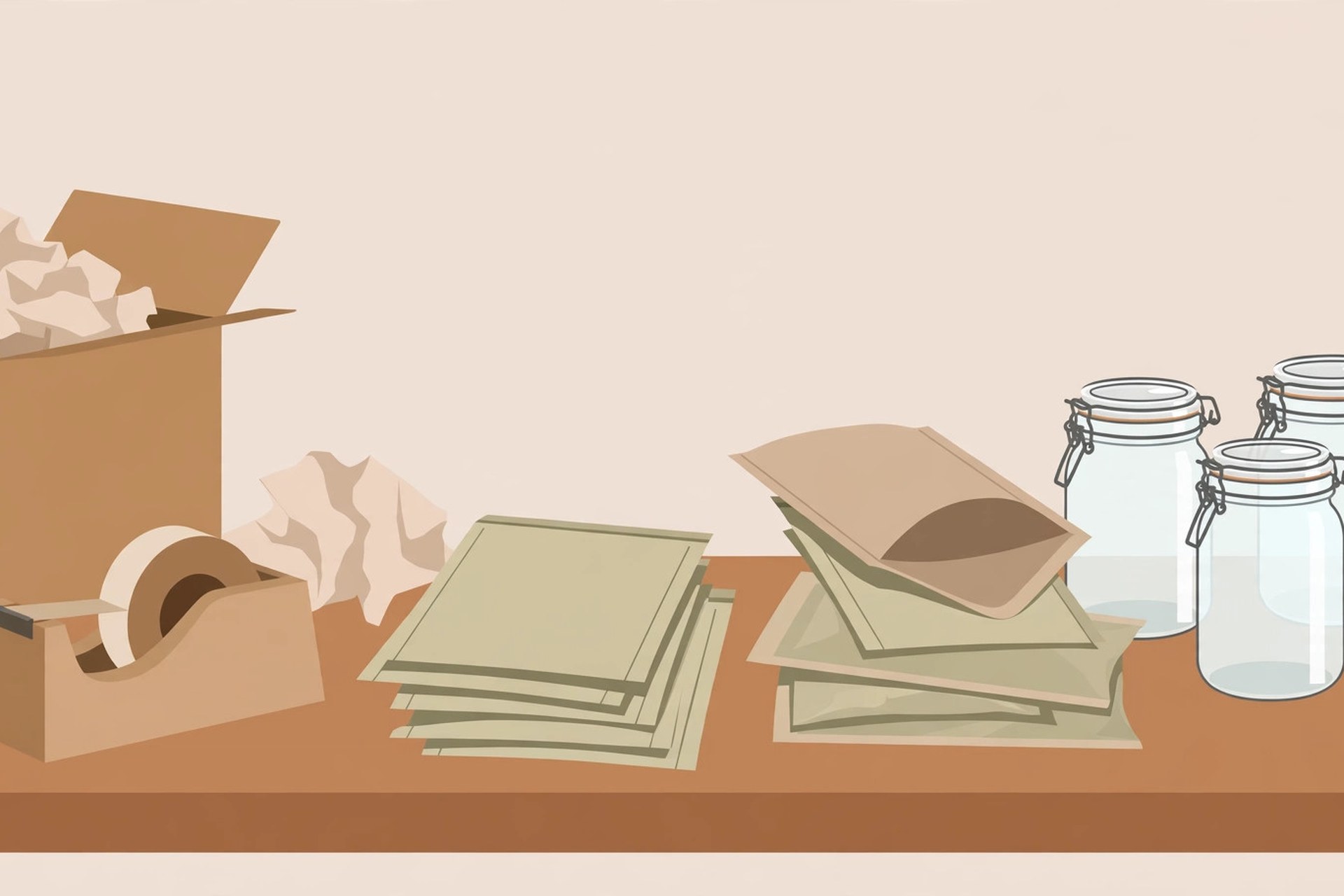
Eco-friendly packaging for small businesses is no longer a luxury reserved for big brands with big budgets. It is a practical choice that any small shop, bakery, online seller, or market stall can make, one product at a time. Customers notice packaging the moment a parcel arrives, and many now judge a business by what it throws away as much as by what it sells. The good news is that greener packaging does not have to cost more, look plain, or slow you down. With a few smart swaps, you can cut waste, protect your products, and give customers a reason to come back.
If you are planning to start a small business, packaging is worth thinking about early. The materials you choose affect your costs, your shipping, your storage, and the impression you make. A small business that starts with sensible, low-waste packaging avoids the expensive job of redesigning everything later. This guide explains what eco-friendly packaging really means, which materials work best, how to switch without raising your prices, and the mistakes to avoid.
What Eco-Friendly Packaging Really Means
Eco-friendly packaging is packaging that does less harm to the environment over its whole life, from the raw materials used to make it to what happens after the customer opens it. That sounds simple, but the label can be misleading. A box marked green is not automatically better than a plain one. What matters is how much material is used, where it comes from, whether it can be reused or recycled, and whether it actually protects the product inside it.
A genuinely greener option usually does one or more of these things: it uses less material overall, it is made from recycled or renewable materials, it can be recycled or composted easily where your customers live, or it can be reused several times. The best choice is often the simplest one. A right-sized cardboard box with paper tape beats an oversized box stuffed with plastic filler, even if the oversized box carries a leaf logo. Protection matters too, because a damaged product that has to be replaced creates far more waste than a little extra cushioning.
Why It Matters for Small Businesses
For a small business, packaging is one of the few things every single customer touches. It is part of the product experience, and it shapes how people feel about your brand. Neat, right-sized, low-waste packaging tells customers you care about quality and detail. Over-packaged parcels with layers of plastic tell a different story, and customers remember it. Many shoppers now actively choose sellers whose packaging they can recycle or compost without a second thought.
There is also a direct business case. Using less material usually costs less. Right-sizing boxes means you buy fewer boxes, use less filler, and pay less for shipping, because couriers charge by size and weight. Standardising on a small range of box sizes and one or two fillers simplifies ordering and storage, which matters when space is tight. Some customers are even willing to pay a little more for products packed responsibly, especially for gifts, food, and handmade goods, where presentation is part of the value.
The Main Eco-Friendly Materials
There is no single best material. The right choice depends on your product, how far it travels, how fragile it is, and what your customers can recycle or compost at home. Here are the main options, with their honest strengths and limits.
Paper and Cardboard
Paper and cardboard are the workhorses of eco-friendly packaging, and for good reason. They are widely recycled, easy to print on, light to ship, and familiar to customers. Recycled cardboard boxes, kraft paper mailers, and paper tape are solid choices for most small businesses. Paper cushioning, such as crumpled kraft paper or corrugated wrap, protects products well and can go straight into the recycling bin. The downside is moisture: paper does not protect against rain or spills, so it suits dry goods and short journeys best, or needs a protective inner layer for anything sensitive.
Reusable Packaging
Reusable packaging is the greenest option of all when it works, because the environmental cost is spread over many uses. Cloth bags, sturdy tins, glass jars, and returnable boxes all count. A candle in a reusable glass jar, a gift set in a tin, or a local delivery in a returnable crate can become part of the product itself. The challenge is cost and logistics: reusable packaging costs more up front, and you need a way for customers to return it or a reason for them to keep it. It works best for local businesses, subscription boxes, and premium products.
Recycled Plastic and Glass
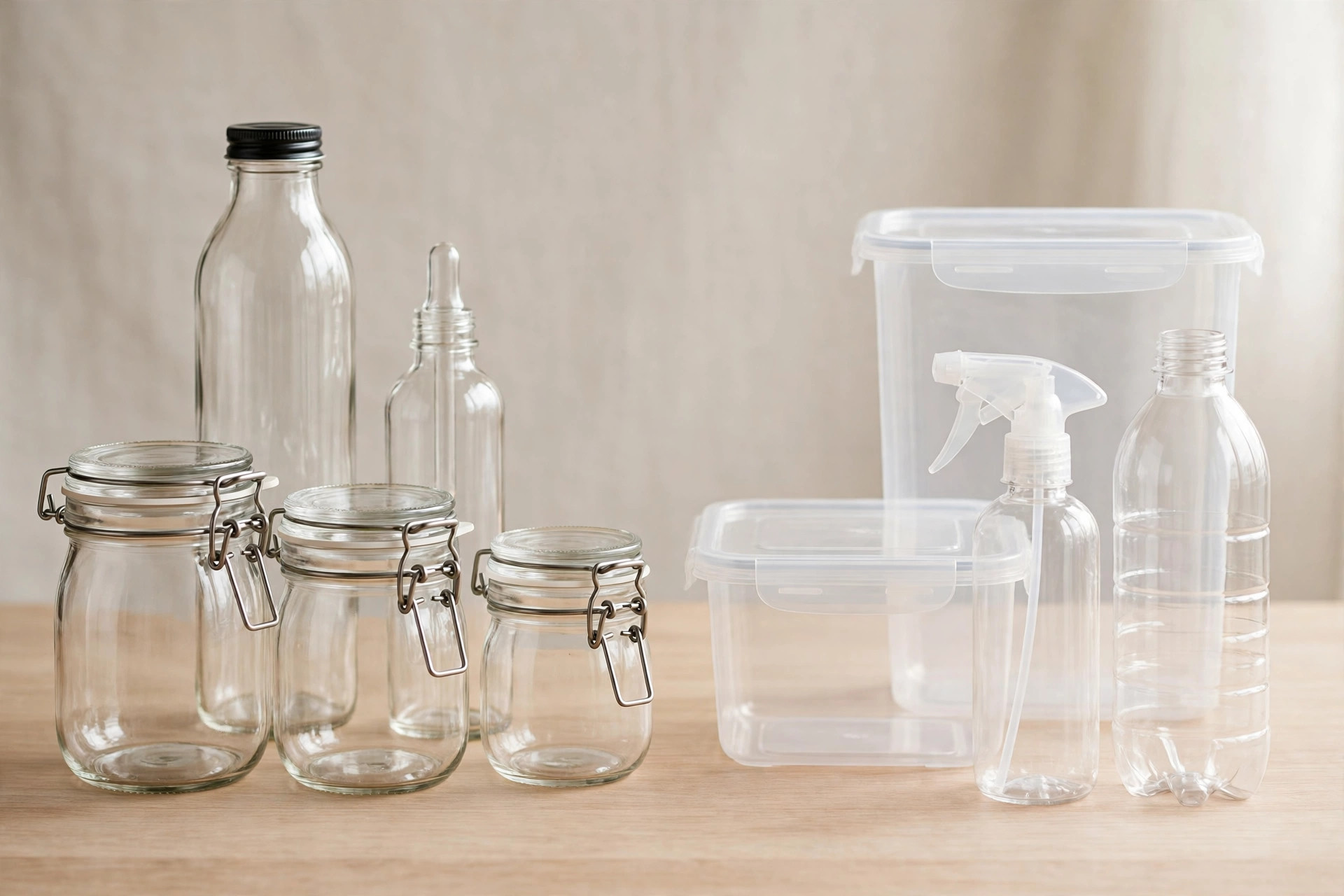
Sometimes plastic or glass is still the right answer, and the eco-friendly version is the recycled one. When you compare glass vs plastic packaging, think about weight, breakage, and what your customers will do with it afterwards. Glass is heavy to ship but endlessly recyclable and reusable, and it suits food, candles, and cosmetics. Recycled plastic is light and tough, and it suits liquids and products that travel far. Neither is perfect. The greenest choice is the one that protects your product, gets reused or recycled, and does not force you to over-package to make up for a weak material.
How to Switch Without Raising Your Costs
Switching to greener packaging does not have to mean a big bill. The trick is to change in stages and to let savings in one place pay for improvements in another. Follow these steps in order.
- Audit what you use now. List every box, bag, filler, tape, and label you buy, with its cost and how often you use it. You will usually find a few items you barely use, and a few you overuse.
- Right-size first. Measure your products and buy boxes that fit them closely. This one change often cuts material and shipping costs enough to pay for better materials elsewhere.
- Cut the filler. Replace plastic bubble wrap and foam peanuts with paper cushioning or corrugated wrap. It is usually cheaper, easier to store, and simpler for customers to recycle.
- Standardise. Pick two or three box sizes and one filler for most orders. Bulk buying a small range is cheaper than buying many sizes in small quantities.
- Switch one product line at a time. Test the new packaging with your best-selling product first, check for damage in transit, and ask customers what they think before rolling it out everywhere.
- Use up old stock responsibly. Do not throw away packaging you have already bought. Use it up, then switch. Wasting usable stock to look green is not green.
- Compare suppliers properly. Get quotes for the same quantity and quality, and ask about recycled content and certification. A slightly dearer box that uses less material can still be cheaper per order.
When you need to protect delicate items, the way you pack matters as much as the material. Learning to package fragile food items safely, with snug cushioning and no empty space for things to move around, prevents breakages and returns. A broken product that must be sent twice is the most wasteful outcome of all, so good protection is part of being eco-friendly, not the opposite of it.
Choosing the Right Packaging for Your Product
Start with the product, not the packaging catalogue. Ask four questions: how fragile is it, how heavy is it, how far will it travel, and how will the customer open and dispose of it? A jar of jam needs a rigid box and cushioning. A T-shirt needs only a mailer. A gift set needs presentation as well as protection. Matching the packaging to the product avoids both damage and waste.
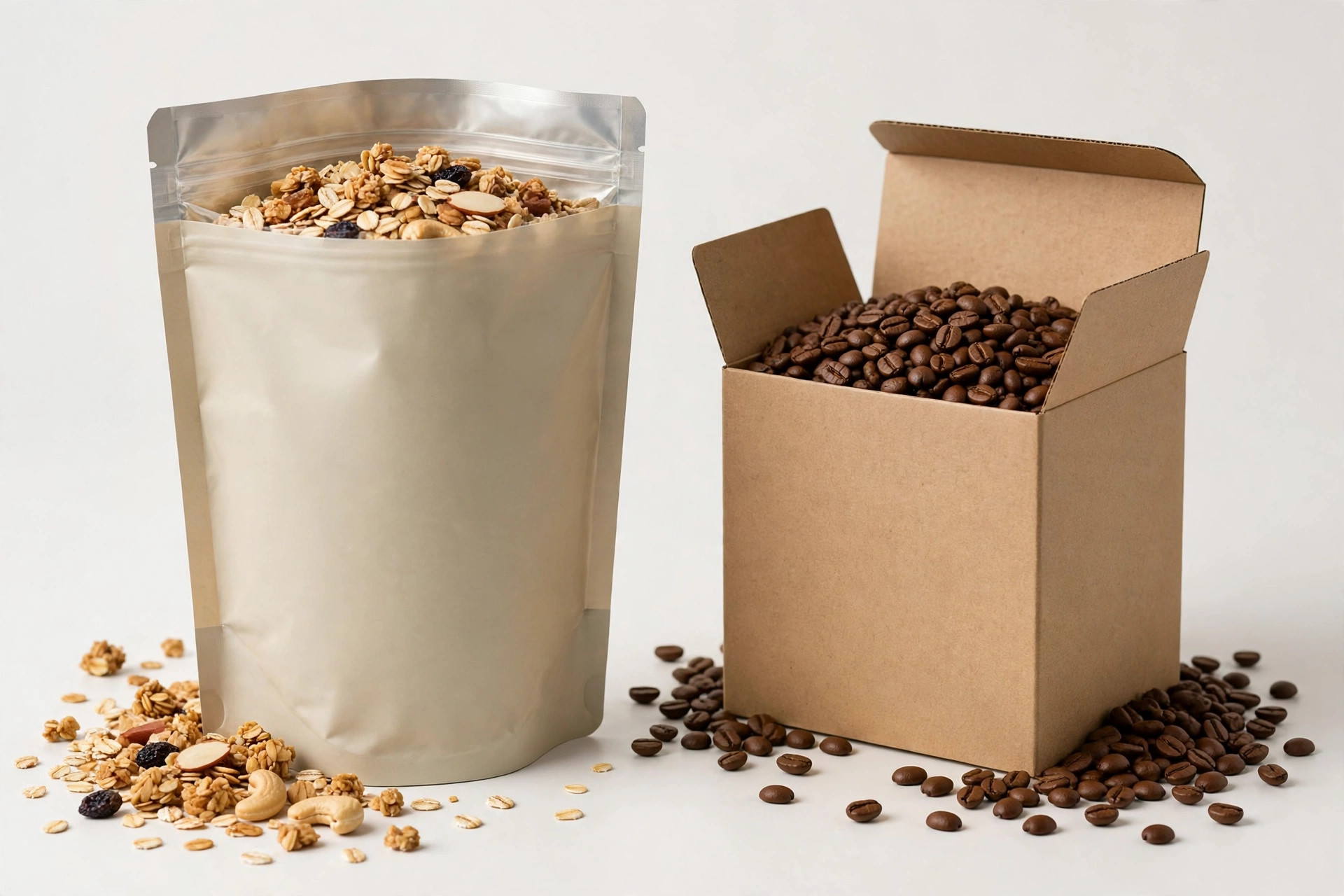
Format matters too. When you weigh up stand-up pouches vs boxes, consider shelf presence, storage, and shipping weight. Pouches are light, take up little space, and suit dry goods such as coffee, snacks, and pet food. Boxes protect better, stack neatly, and suit fragile or premium products. There is no universal winner, so test both with your actual product and your actual customers before committing to a large order.
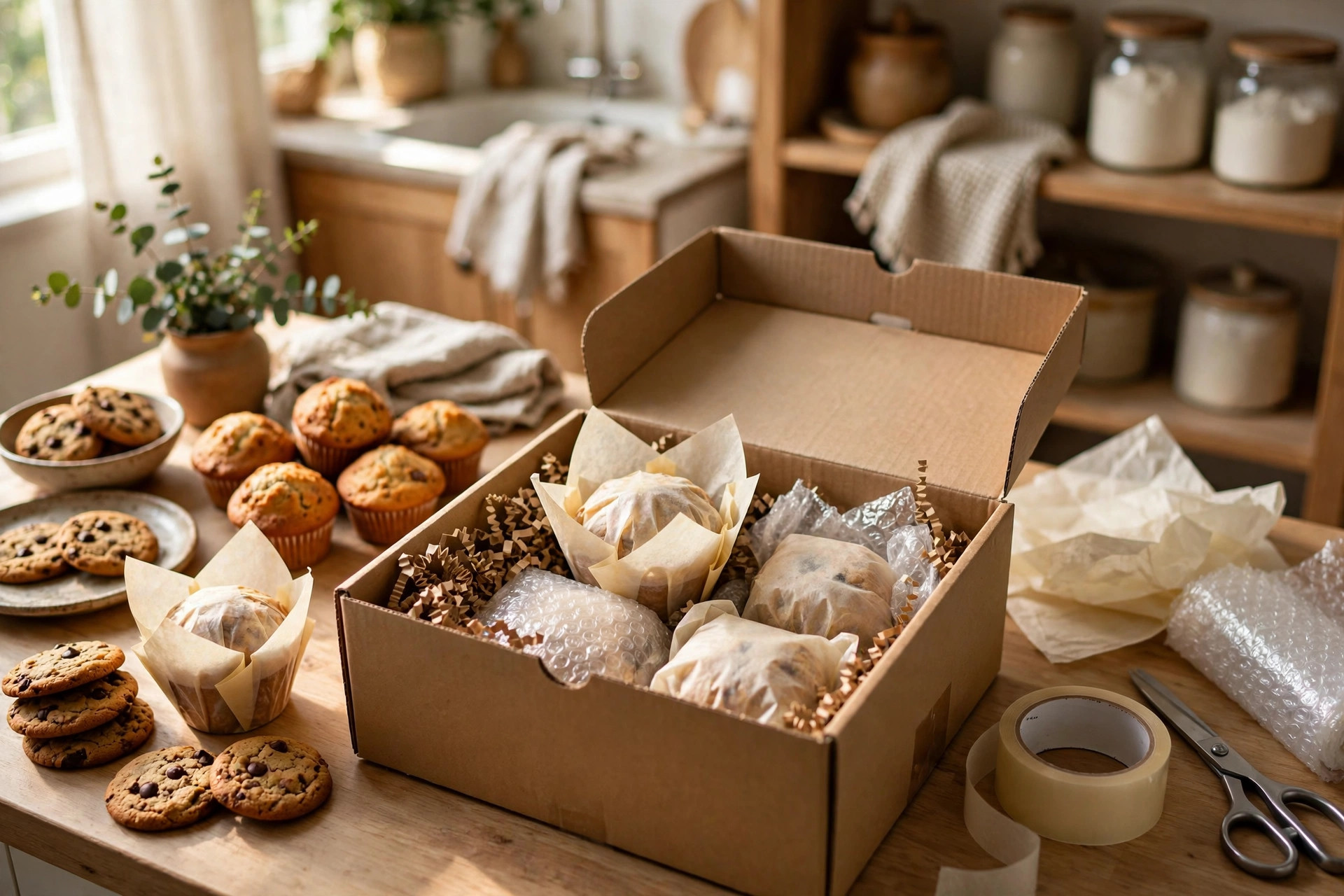
Seasonal and gift packaging deserves the same thinking. If you sell gift sets, choose a box or tin the customer will keep, rather than a single-use wrap that goes straight in the bin. If you ship baked goods or other treats, the way you package baked goods for shipping matters: sturdy boxes, greaseproof liners, and snug packing keep food fresh and intact without layers of unnecessary plastic. Good food packaging protects flavour and freshness first, and the environment second, but the two goals usually point the same way.
Common Mistakes to Avoid
The most common mistake is over-packaging in the name of protection. A small item in a large box with handfuls of filler looks careless and costs more to ship. The second mistake is mixing materials that cannot be recycled together, such as a cardboard box sealed with plastic tape and filled with foam. Customers cannot easily separate them, so the whole parcel ends up in the bin. Use paper tape with cardboard, and keep fillers to one recyclable type.
Frequently Asked Questions
Is eco-friendly packaging more expensive for small businesses?
Not necessarily. Right-sizing boxes, cutting filler, and standardising sizes often save money, and those savings can pay for better materials. Some green materials cost more per unit, but the total cost per order can still fall when you use less of them and pay less for shipping.
What is the easiest eco-friendly packaging swap to start with?
Switch plastic tape to paper tape and plastic filler to paper cushioning. Both swaps are cheap, easy to find, and simple for customers to recycle with the box. Right-sizing your boxes is the other quick win, and it usually saves money straight away.
Are compostable mailers really better than plastic ones?
They can be, but only if they are disposed of correctly. Most compostable mailers need an industrial composting facility. If your customers do not have access to one, a recycled cardboard box or a recycled plastic mailer that can be reused may be the better choice for your business.
How do I know if packaging is really recyclable?
Check what it is made of and whether local recycling systems accept it. Ask your supplier for the material details and any certification. Avoid packaging that mixes materials, such as plastic-coated cardboard, unless you are sure your customers can recycle it where they live.
Can small businesses use reusable packaging?
Yes, especially for local sales, subscriptions, and premium products. Glass jars, tins, cloth bags, and returnable crates work well when customers have a reason to keep or return them. Start with one product and a simple return or refill option before expanding.
More Articles You’ll Like
Keep reading — more from this category and across the site:
- How to Label Food Packaging: Rules and Best Practices
- What Does ‘Sus’ Mean? Meaning, Origin, and Examples
- What Is UV Printing? How It Works and When to Use It
- How to Find Obituaries in Florence, AL: A Step-by-Step Guide
- How to Register a Business in Alabama: A Step-by-Step Guide
- How to Start Journaling for Beginners: A Simple Guide
- What Does ‘Ineffable’ Mean? Meaning, Origin, and Examples
- 50 Funny Penguin Jokes for Kids and Adults