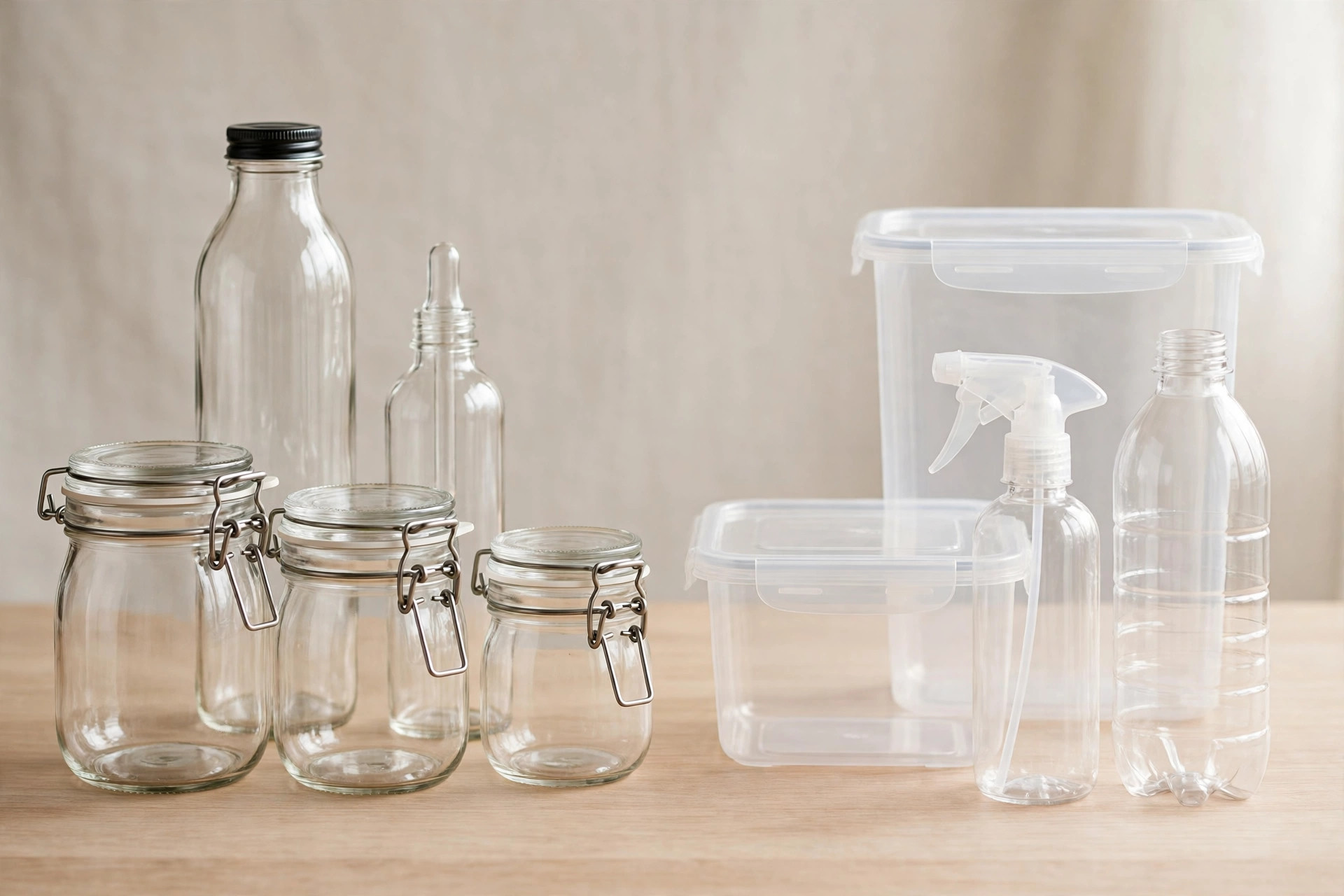
Glass vs plastic packaging is one of the first decisions a product maker faces, and it shapes everything from shipping costs to how customers feel about your brand. Glass feels premium and keeps flavours pure, while plastic is light, tough, and cheap to move. Neither is right for every product. The best choice depends on what you sell, who buys it, how far it travels, and what your customers expect. This guide compares glass and plastic honestly across cost, safety, shelf life, sustainability, and appearance, so you can pick the material that fits your product rather than following a trend.
Glass Packaging: The Pros
Glass has been used to store food and drink for centuries, and it still has real advantages that plastic struggles to match.
- Completely inert: Glass does not react with its contents, so flavours, smells, and colours stay true. Acidic foods like tomato sauce, pickles, and citrus juices are safe in glass for months.
- Excellent barrier: Glass blocks oxygen and moisture almost perfectly, which protects freshness and extends shelf life without extra liners or coatings.
- Premium feel: Customers associate glass with quality. A glass jar or bottle looks better on a shelf and can justify a higher price.
- Infinitely recyclable: Glass can be melted and remade over and over without losing quality, and many regions have well-established glass recycling.
- Heat safe: Glass tolerates hot filling, pasteurisation, and sterilisation, which matters for sauces, jams, and baby food.
Glass Packaging: The Cons
Glass is not perfect, and its drawbacks are practical rather than theoretical.
- Heavy: A glass jar can weigh several times more than the same product in plastic, which raises shipping costs and fuel use.
- Breakable: Glass shatters on impact. That means more breakage in transit, more protective packaging, and a higher risk of injury or contamination if a jar breaks near food.
- Expensive to make and move: Melting glass takes a lot of energy, and its weight adds cost at every step of the supply chain.
- Limited shapes: Glass is moulded, not easily formed into squeezable bottles, pouches, or unusual shapes.
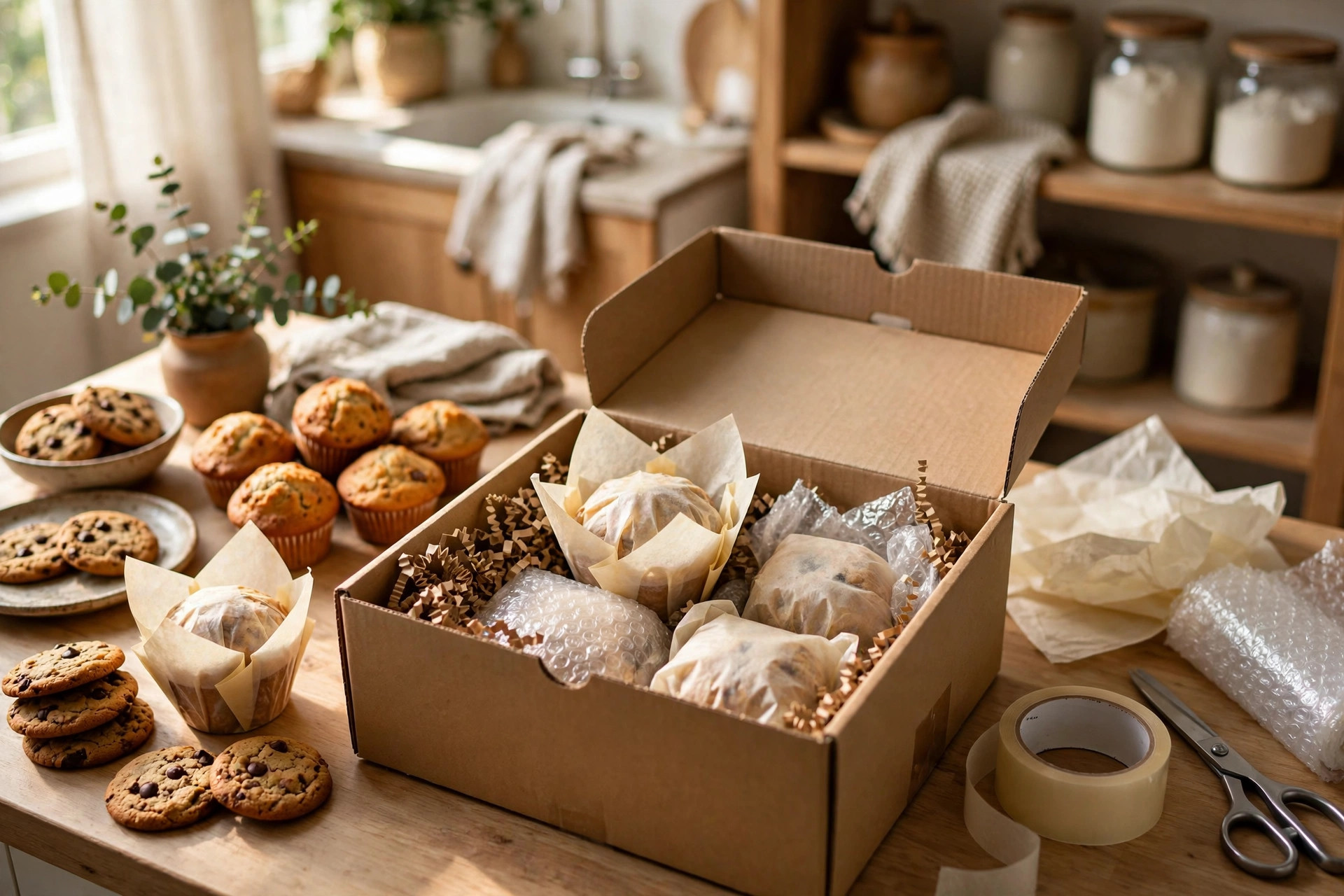
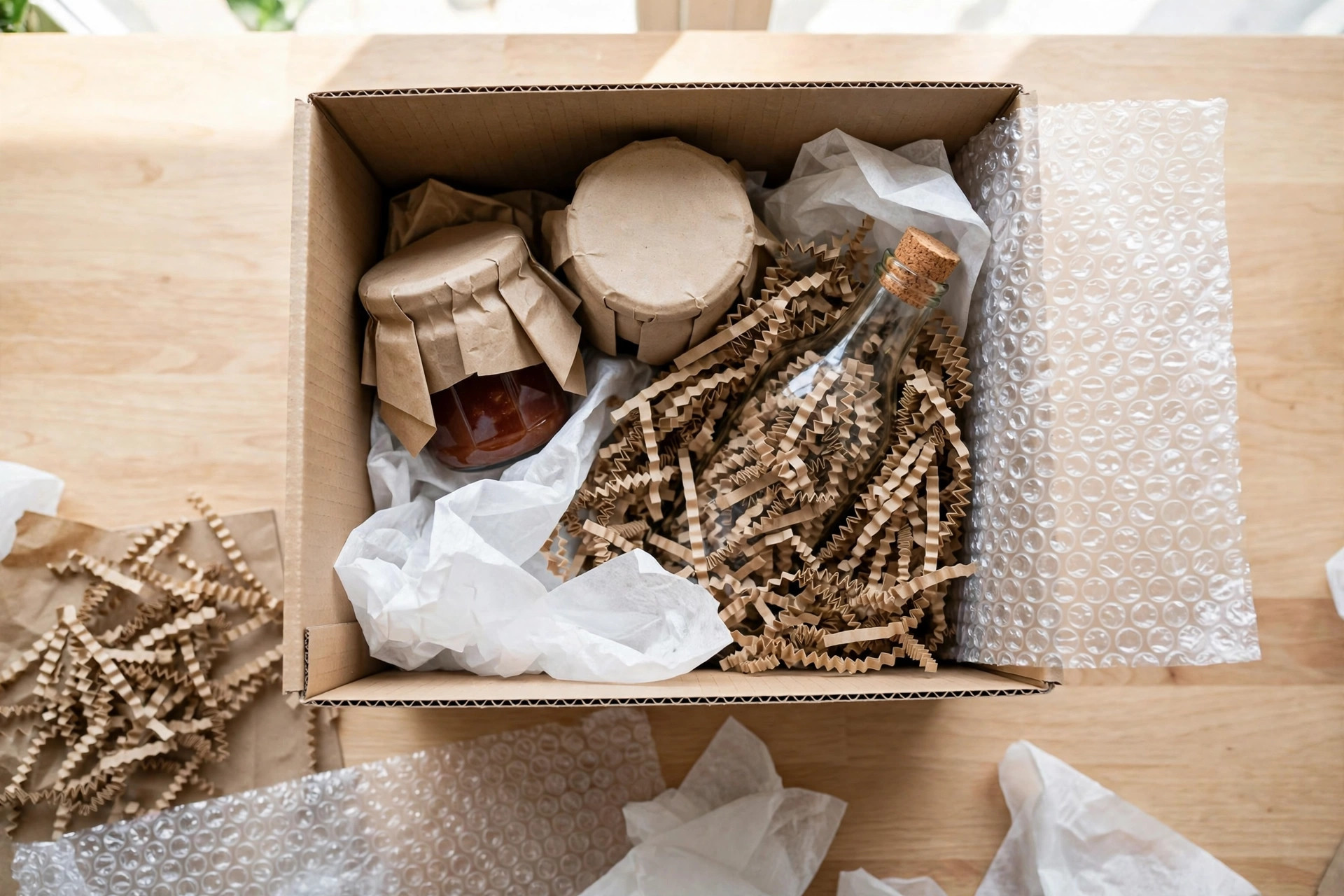
Breakage is a genuine cost, not just a nuisance. Anyone who has mailed a glass jar knows the extra padding it needs, and the same care that goes into how to package baked goods for shipping applies to glass: cushioning, a rigid outer box, and no empty space are essential.
Plastic Packaging: The Pros
Plastic dominates modern packaging for good reasons, even if it has an image problem.
- Lightweight: Plastic containers weigh a fraction of glass equivalents, cutting shipping costs and transport emissions per unit.
- Tough and shatterproof: Plastic survives drops that would destroy glass, which reduces breakage, waste, and safety risks.
- Flexible design: Plastic can be moulded into almost any shape, from squeezable bottles and flip-top caps to stand-up pouches and single-serve pots.
- Cheap to produce: Lower material and manufacturing costs make plastic the practical choice for high-volume, low-price products.
- Good enough barrier for many products: Modern plastics like PET and HDPE protect most foods, drinks, and cosmetics perfectly well for their intended shelf life.
Plastic Packaging: The Cons
- Can affect taste and smell: Some plastics absorb odours or let small amounts of oxygen through, which shortens shelf life for sensitive products.
- Heat limits: Most plastics cannot handle hot filling or sterilisation, and some warp or release chemicals when heated.
- Recycling is patchy: Only certain plastics are widely recycled, and recycled plastic loses quality each time it is reprocessed.
- Environmental concerns: Plastic waste, especially single-use packaging, is a visible pollution problem, and customers increasingly judge brands on it.
- Lower perceived value: Plastic can make a premium product feel cheap, which matters for gifts, cosmetics, and artisan foods.
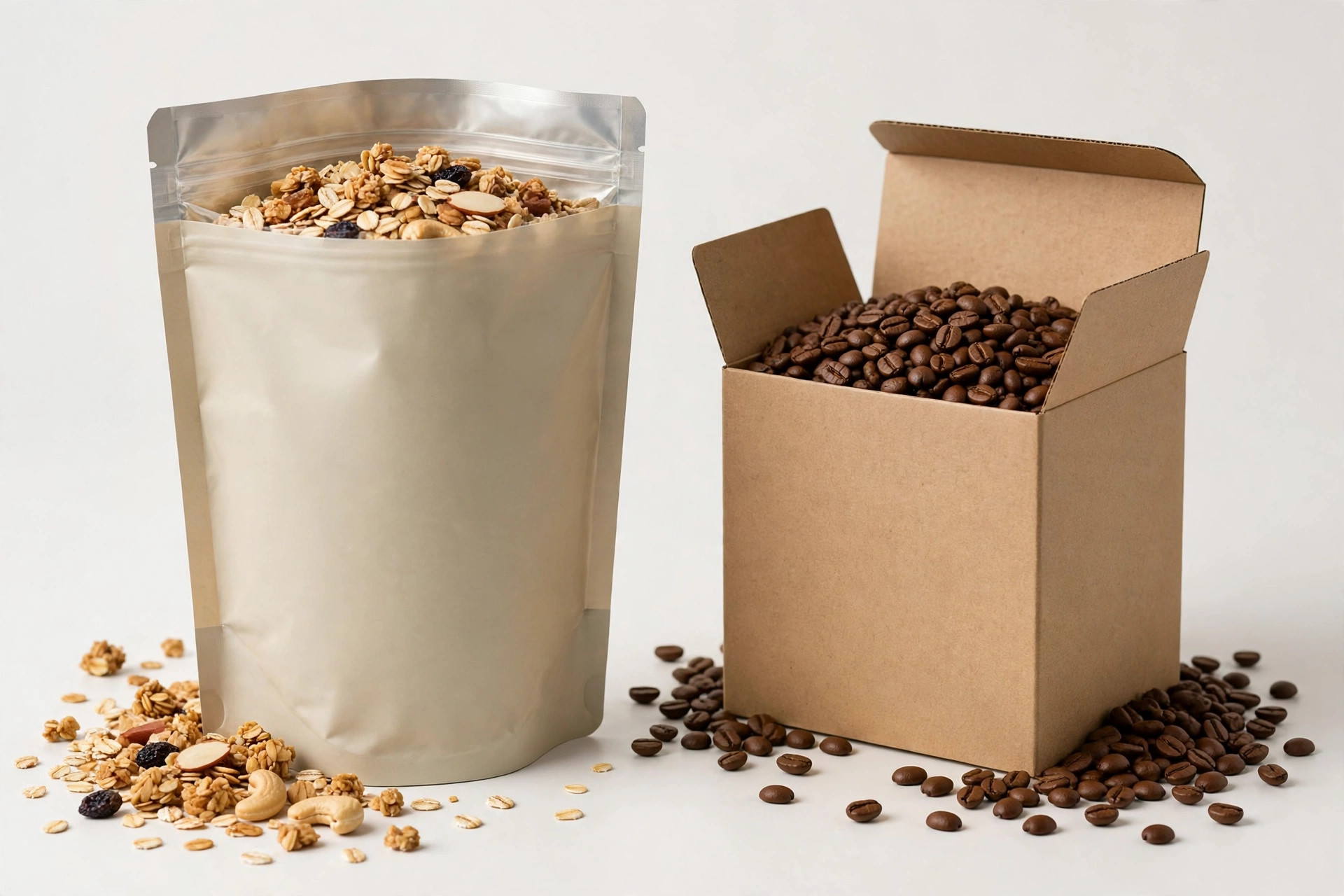
Format matters as much as material. Before settling on a rigid jar or bottle, compare the options in our guide to stand-up pouches versus boxes for food products, since a pouch can beat both glass and hard plastic on weight and shelf appeal for dry goods.
Cost Comparison
Plastic almost always wins on unit cost. A plastic bottle can cost a few cents, while a comparable glass bottle costs several times more before you even fill it. The gap grows with shipping: glass’s weight means higher freight charges, and its fragility means more protective packaging and more breakage claims. But cost is not only the price of the container. Glass can reduce product waste because its better barrier keeps food fresh longer, and it can support a higher retail price because customers perceive it as premium. For a small-batch jam maker selling at farmers’ markets, glass may pay for itself. For a high-volume juice brand shipping nationally, plastic’s savings are hard to ignore. Work out the full cost per unit, including packaging materials, freight, breakage, and returns, before deciding. This is part of how to price your products for profit, since packaging is a real cost that has to sit inside your margin, not on top of it.
Sustainability and Recycling
This is where the debate gets complicated, because the greener choice depends on how the package is used and disposed of.
Glass is made from sand, soda ash, and limestone, and it can be recycled endlessly without degrading. But making glass uses a lot of energy, and transporting heavy glass burns more fuel. A glass jar only becomes the greener option if it is reused several times or recycled reliably. In regions with good glass collection, it performs well; where glass ends up in landfill, its weight is a burden.
Plastic is made from fossil fuels and is recycled far less than glass in most countries. Yet its light weight means less fuel in transport, and a thin plastic pouch can use far less material than a rigid container of either type. The most sustainable plastic choice is usually a recyclable type like PET or HDPE, used in the smallest amount that still protects the product, with clear recycling instructions for the customer.
There is no single winner. If your customers reuse jars, glass wins. If your product travels long distances and is used once, lightweight recyclable plastic may have the smaller footprint. Be honest in your marketing either way: customers notice greenwashing faster than any other kind of exaggeration.
Product Safety and Shelf Life
Safety rules differ by product, and the material you choose has to satisfy them first. For acidic foods, alcohol, and products that need heat processing, glass is often the safer and simpler choice because it does not interact with the contents at any temperature. For products that are frozen, carried in bags, used by children, or shipped long distances, plastic’s shatterproof nature is a safety advantage. Fragile contents need the same thinking as fragile foods in transit: the principles behind packaging fragile food items for delivery apply whenever breakage could contaminate a product or injure someone. Check the regulations for your product category and market, since food-contact rules vary by country and by plastic type. If you are unsure, ask your packaging supplier for food-grade certification and migration test results rather than guessing.
Which Is Better for Your Product?
Match the material to the product, not the other way around.
- Sauces, jams, and pickles: Glass. It handles acidity and heat, looks premium, and keeps flavour intact.
- Drinks sold in volume: Plastic (PET) for everyday drinks; glass for premium juices, kombucha, and craft sodas.
- Cosmetics and skincare: Glass for premium creams and serums; plastic for everyday lotions, shampoos, and anything used in the shower.
- Dry goods and snacks: Often neither, since pouches and boxes can beat both on weight and cost.
- Products for children or travel: Plastic, for safety and weight.
- Products shipped by post: Plastic, unless the premium feel of glass justifies the extra protection and freight.
You can also mix materials: a glass jar for the product itself with a plastic tamper-evident lid, or a plastic bottle with a paper label that gives it a natural look. Many small brands start with plastic to keep costs down and move to glass as they grow and their customers start paying for quality. That is a sensible path, and it is exactly the kind of staged decision you make when you are starting a small business around a food product and need to protect cash flow in the early months.
Frequently Asked Questions
Is glass packaging safer than plastic?
Glass is chemically inert, so it never leaches chemicals into food or drink, which makes it the safer choice for acidic and hot-filled products. Plastic is safer in a different way: it does not shatter, so it is better for children, travel, and shipping. Use food-grade plastic certified for your product type.
Which is cheaper, glass or plastic packaging?
Plastic is cheaper per unit and much cheaper to ship because it weighs less. Glass costs more to buy and to move, and needs more protective packaging. Glass can still pay off for premium products, because customers will pay more for a product that looks and feels higher quality.
Is glass more sustainable than plastic?
It depends. Glass is infinitely recyclable and made from abundant natural materials, but it takes a lot of energy to make and fuel to transport. Plastic uses less energy and material per unit but is recycled less often. The greenest option depends on reuse, recycling rates in your area, and how far the product travels.
Can plastic packaging keep food fresh as long as glass?
For most products with a shelf life of weeks or a few months, yes. Modern PET and HDPE provide a good barrier against moisture and oxygen. For long shelf lives, acidic foods, or products that need heat processing, glass has the stronger barrier and the longer safe storage life.
Can I switch from plastic to glass later?
Yes, and many brands do. Plan for it by checking that your filling equipment, labels, shipping boxes, and costs all work with the heavier, more fragile material. Test the switch with a small batch first and gather customer feedback before changing your whole range.
More Articles You’ll Like
Keep reading — more from this category and across the site:
- What Does ‘No Cap’ Mean? Meaning, Origin, and Examples
- What Is 3D Printing? How It Works and What It’s Used For
- How to Find Obituaries in Madison, AL: A Step-by-Step Guide
- How to Get Your First Customers: 10 Practical Ways
- How to Build a Bedtime Routine That Helps You Sleep Better
- What Does ‘Ephemeral’ Mean? Meaning, Origin, and Examples
- 50 Funny Road Trip Jokes for Kids and Adults