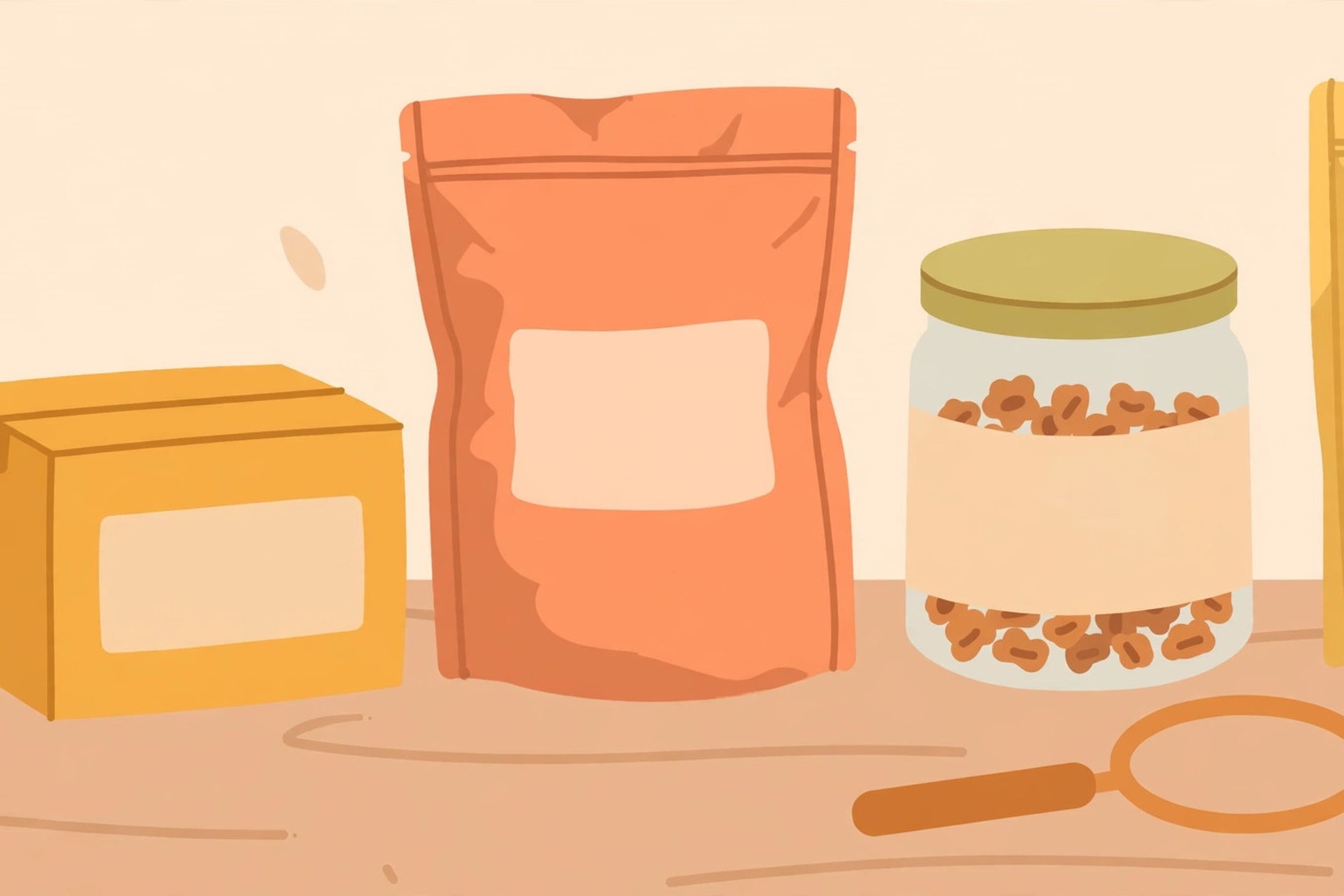
Learning how to label food packaging correctly is one of the most important skills for anyone who sells food, whether you run a bakery, a market stall, a small cafe, or an online food business. A good label does three jobs at once: it keeps customers safe, it follows the law, and it helps your product sell. A missing allergen warning can make someone seriously ill. A wrong date can lead to wasted food or a lost customer. A confusing label can make even a great product look unprofessional. This guide explains what must go on a food label, how to handle allergens and dates, and how to design a label people can actually read.
Why Food Labels Matter
A food label is the main way you talk to a customer after they have picked up your product. It tells them what is inside, whether it is safe for them, how long it will keep, and how to store and use it. For people with allergies, that information is not a nice extra. It is the difference between a safe meal and a medical emergency. For everyone else, it builds trust: a clear, complete label suggests a careful, professional business.
What Must Go on a Food Label
The exact requirements depend on where you sell, but most food labelling rules ask for the same core information. Check the rules for your market, then make sure every label you print includes the following, clearly and honestly.
- Product name. A clear, accurate name that says what the food is, not just a brand name or a fancy description. If it is a flavoured product, say so.
- Ingredients list. All ingredients in descending order by weight, so the largest ingredient comes first. Additives, flavourings, and processing aids that must be declared should be listed by their proper names or approved numbers.
- Allergen information. Any major allergens in the product, or in ingredients used to make it, must be declared clearly. This is covered in detail below.
- Net quantity. The weight or volume of the food, not including the packaging. Use the standard units for your market, and make sure the figure is accurate.
- Date marking. A use-by date for perishable food, or a best-before date for food that keeps longer. Never guess at dates; test shelf life properly or follow established guidance.
- Storage instructions. How to keep the food safe, such as keep refrigerated, store in a cool dry place, or use within three days of opening.
- Business name and address. The name and address of the business responsible for the food, so customers and authorities can contact you.
- Batch or lot code. A code that lets you trace a product back to the day and batch it was made. This is essential for recalls.
- Nutrition information. Required for most packaged food in many markets, usually per 100 grams or per serving, covering energy, fat, saturated fat, carbohydrate, sugars, protein, and salt.
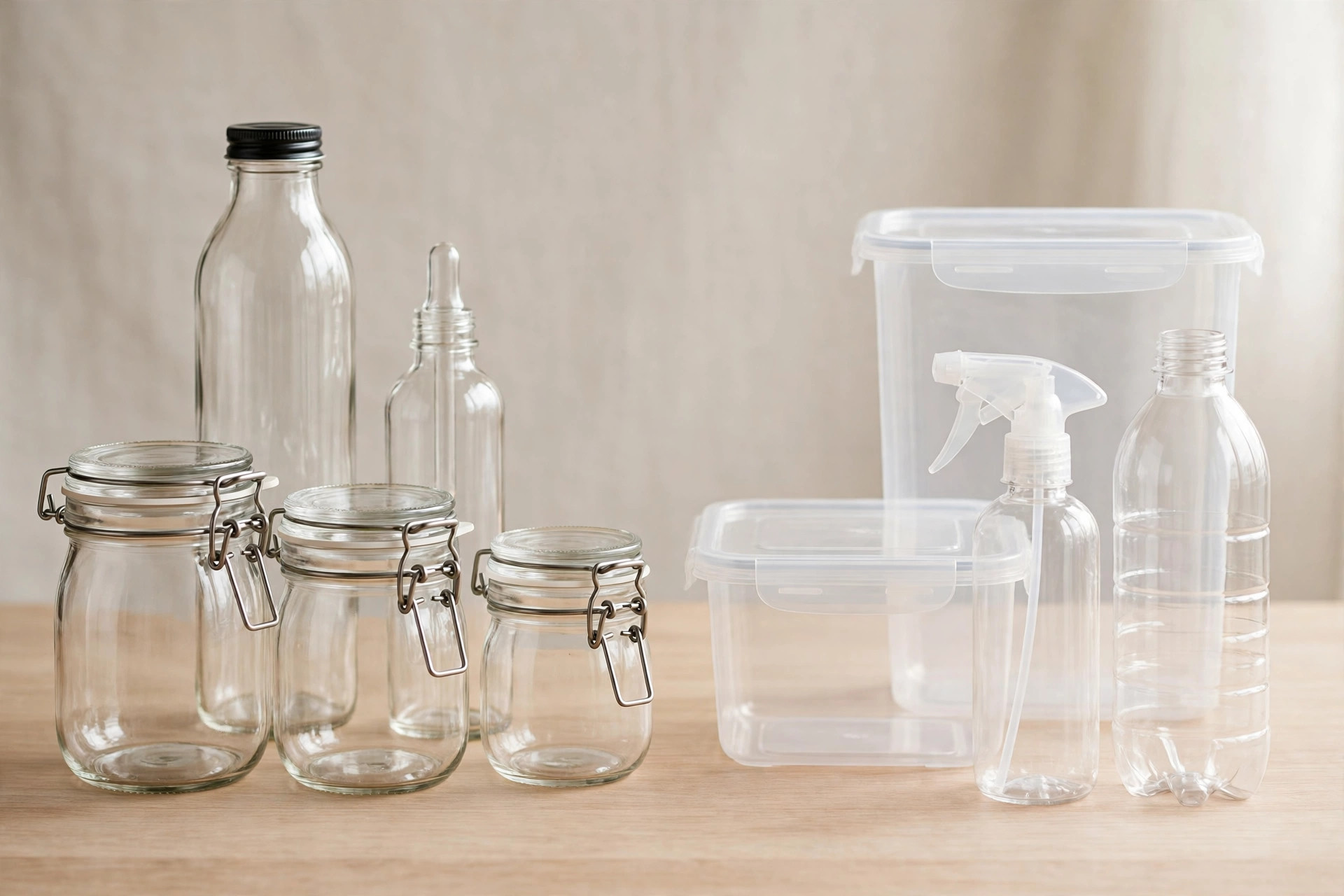
Check the format before you print. If you sell food in jars, the container you choose affects how much label space you have. When you compare glass vs plastic packaging, think about label size as well as protection: a wide jar gives you room for a full ingredients list, while a narrow bottle may need a wraparound or back label. The label must fit the pack, not the other way round.
Allergens: The Part You Cannot Get Wrong
Allergen labelling is the most serious part of food labelling, and the part where small businesses most often make mistakes. The major allergens recognised in most countries include milk, eggs, peanuts, tree nuts, wheat and gluten, soy, fish, shellfish, sesame, mustard, celery, lupin, and sulphites. The exact list varies by country, so check the list for every market you sell in.
Declare allergens in the ingredients list, usually by emphasising them in bold or capitals, and add a clear contains statement, such as contains milk, wheat, and egg. If your product may contain an allergen because it is made in a kitchen that handles it, say so honestly with a may contain statement. Never guess, and never leave allergen information off a label because a product only contains a small amount. Even a trace can cause a serious reaction.
Dates, Storage, and Nutrition
Dates confuse many small food businesses, so it helps to know the difference. A use-by date is about safety: it applies to perishable food such as fresh meat, dairy, and ready meals, and food should not be eaten after that date. A best-before date is about quality: the food is still safe after that date, but it may lose flavour, texture, or freshness. Use the right type of date for your product, and never extend a date because food still looks or smells fine. Microbes do not always announce themselves.
Designing a Label People Can Actually Read
A label that nobody can read is a label that fails. Use a font size your customers can read without a magnifying glass, and check the smallest text on the label, not just the product name. Dark text on a light background is usually the easiest to read. Avoid pale text on a busy photograph, tiny grey text on a dark background, or text that runs around a curve where it becomes hard to follow.
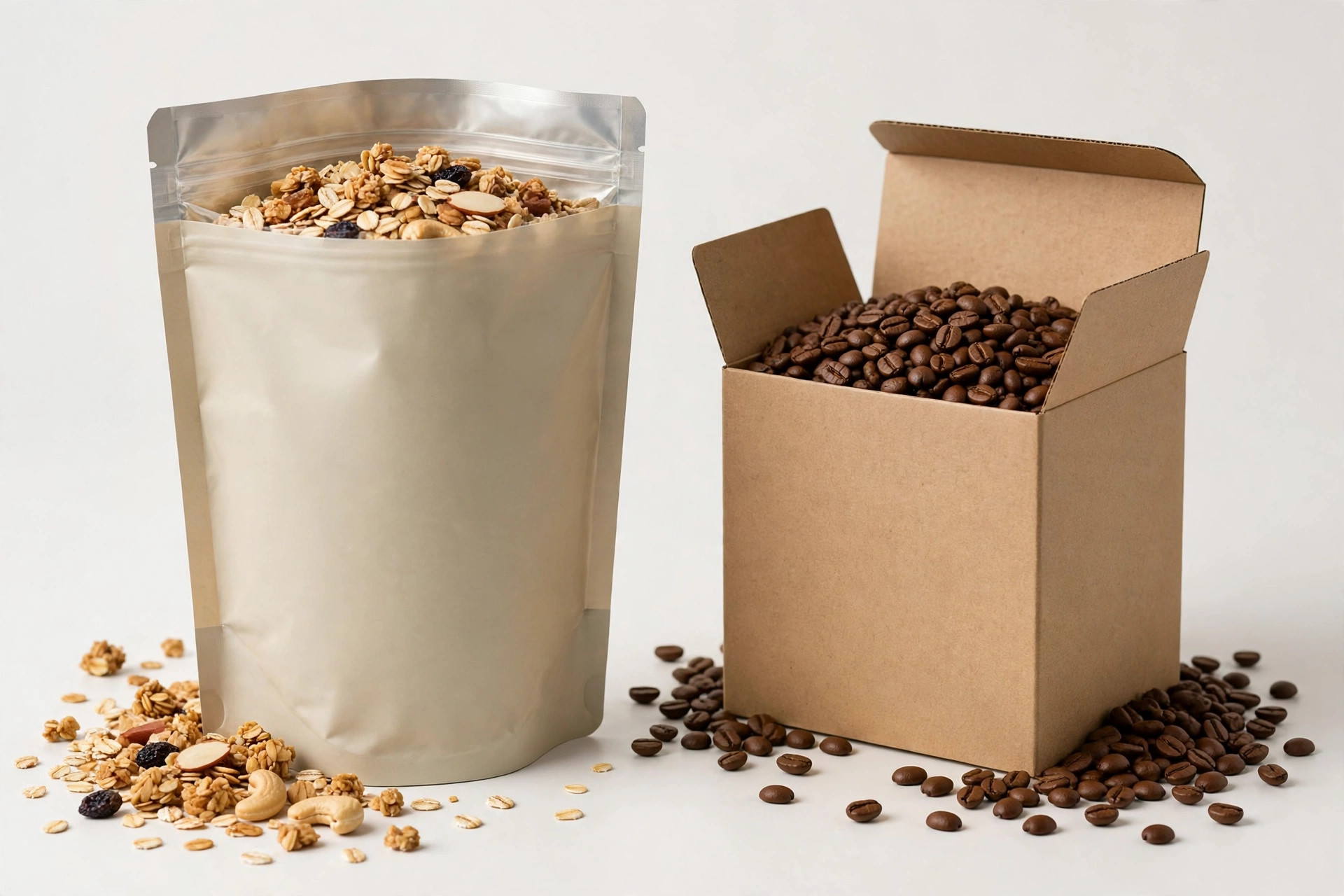
Think about the shape of the pack when you design the label. Pouches and boxes give you different amounts of space, and the choice affects how much you can say. When you compare stand-up pouches vs boxes, check how the label will sit on each format: a pouch may need a front and back label, while a box gives you four sides to work with. Test a printed label on the real pack, in real shop lighting, before you order a large print run.
Printing Your Labels
For small runs, digital printing is often the best choice, because it lets you print short runs, change designs quickly, and keep costs down. To understand the trade-offs, read about digital printing and how it compares with other methods for short runs. For larger runs, other methods may be cheaper per label, so it is worth learning offset printing explained before you commit to a big order. Either way, ask your printer for a proof and check every word on it, including dates, weights, and allergens, before you approve the run.
File preparation is the step most small businesses rush, and it causes most printing problems. Before you send files to a printer, make sure you prepare files for print correctly: the right colour mode, the right resolution, bleed where the design reaches the edge, and fonts embedded or converted to outlines. A file that looks fine on screen can print badly if the resolution is too low or the colours are wrong, so follow your printer’s file guide exactly and ask questions if anything is unclear.
Common Labelling Mistakes
The most common mistake is copying a label from a similar product and changing only the name. Ingredients, weights, and allergens are different for every recipe, and copying introduces errors. The second mistake is forgetting to update labels when a recipe changes. If you swap a supplier, change an ingredient, or adjust a quantity, the label must change too. Keep a simple record that links each label version to the recipe it matches.
Step-by-Step Labelling Checklist
- Write the recipe down exactly. List every ingredient, its weight, and its supplier, so the ingredients list and nutrition figures are based on facts.
- Identify allergens. Go through the ingredients and your kitchen, and list every allergen present and every one that may be present through cross-contact.
- Work out dates and storage. Set the right type of date, based on shelf-life testing, and write clear storage instructions.
- Calculate nutrition. Work out the nutrition figures from the recipe, and check any claims you want to make against the legal definitions.
- Draft the label. Include all required information, in a readable layout, with allergens emphasised and the most important facts easy to find.
- Check it twice. Read the label against the recipe, then ask someone else to read it. Check spelling, weights, dates, and allergen wording word by word.
- Test the print. Print a sample on the real label material, stick it on the real pack, and check it in fridge, freezer, and shop conditions.
- Keep a record. Save the label version, the recipe version, and the date it was approved, so you can trace any product back to its label.
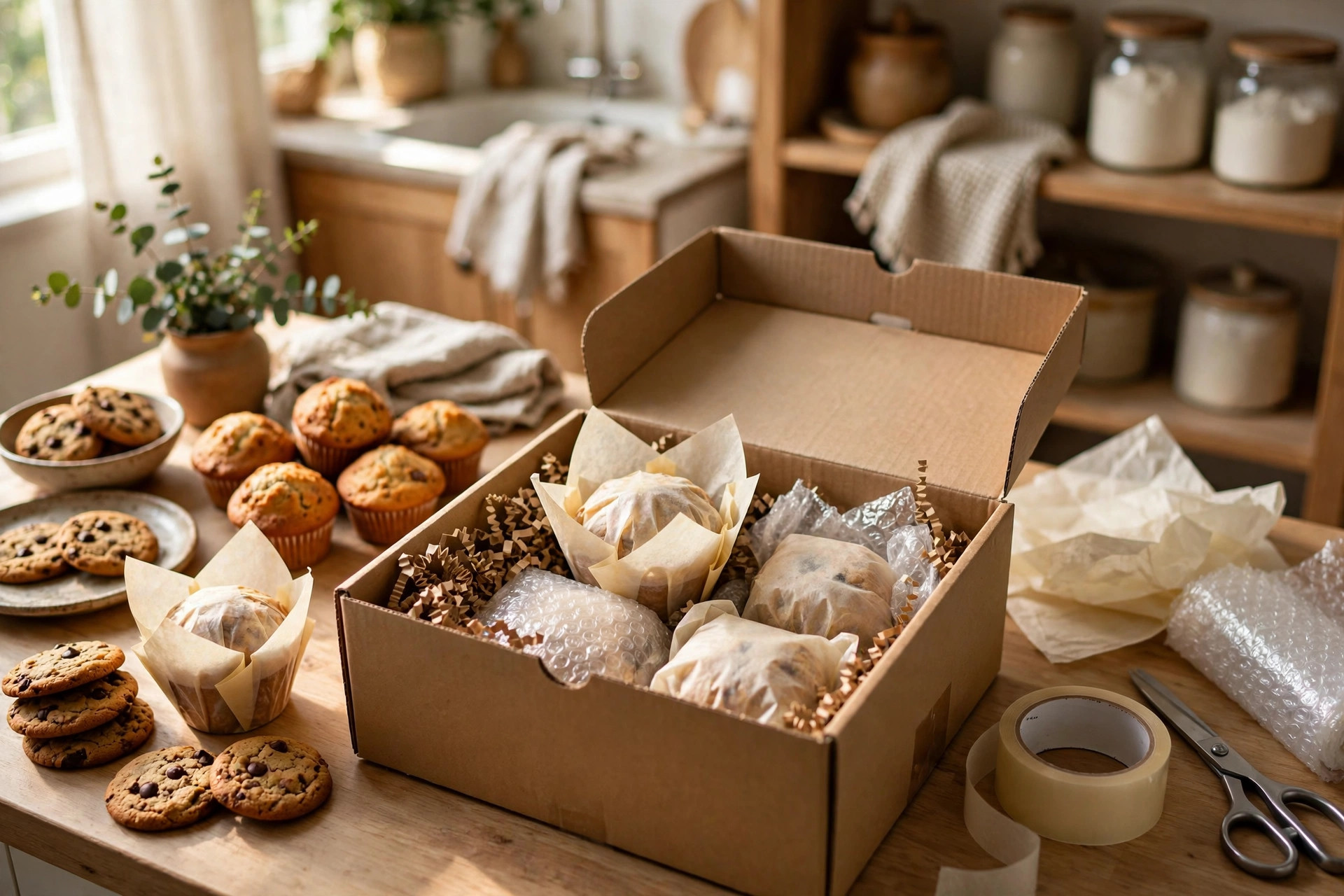
Labelling is also part of protecting your food in transit. If you sell online or deliver to customers, learning to package fragile food items safely helps your products arrive in good condition, with labels intact and readable. A label that arrives torn, wet, or smudged tells the customer nothing, so the packaging and the label need to work together from the kitchen to the customer’s door.
Frequently Asked Questions
What information is legally required on a food label?
The exact rules depend on where you sell, but most markets require the product name, ingredients list, allergen information, net quantity, date marking, storage instructions, business name and address, and nutrition information. Always check the current rules for your market before printing.
How do I list allergens on a food label?
List allergens in the ingredients list, emphasised in bold or capitals, and add a clear contains statement. If cross-contact is possible, add an honest may contain statement. Never leave allergens off a label, and never claim a product is free from an allergen unless you can guarantee it.
What is the difference between a use-by date and a best-before date?
A use-by date is about safety and applies to perishable food, which should not be eaten after that date. A best-before date is about quality: the food is still safe after that date but may lose flavour or freshness. Use the right type for your product and base it on shelf-life testing.
Can I design and print food labels myself?
Yes, for small runs, as long as the wording is correct and the labels are durable. Use waterproof labels for chilled food, check readability on the real pack, and have a second person proofread every word. For larger runs, a professional printer is usually worth the cost.
What should I do if I change a recipe after printing labels?
Stop using the old labels immediately and update them before selling more of the product. Check the ingredients, allergens, nutrition figures, and weights against the new recipe, and record the change. Selling food with an out-of-date label is a safety risk and can break labelling rules.
More Articles You’ll Like
Keep reading — more from this category and across the site:
- How to Package Baked Goods for Shipping Without Breaking Them
- Eco-Friendly Packaging for Small Businesses: A Practical Guide
- What Does ‘Sus’ Mean? Meaning, Origin, and Examples
- What Is UV Printing? How It Works and When to Use It
- How to Find Obituaries in Florence, AL: A Step-by-Step Guide
- How to Register a Business in Alabama: A Step-by-Step Guide
- How to Start Journaling for Beginners: A Simple Guide
- What Does ‘Ineffable’ Mean? Meaning, Origin, and Examples
- 50 Funny Penguin Jokes for Kids and Adults