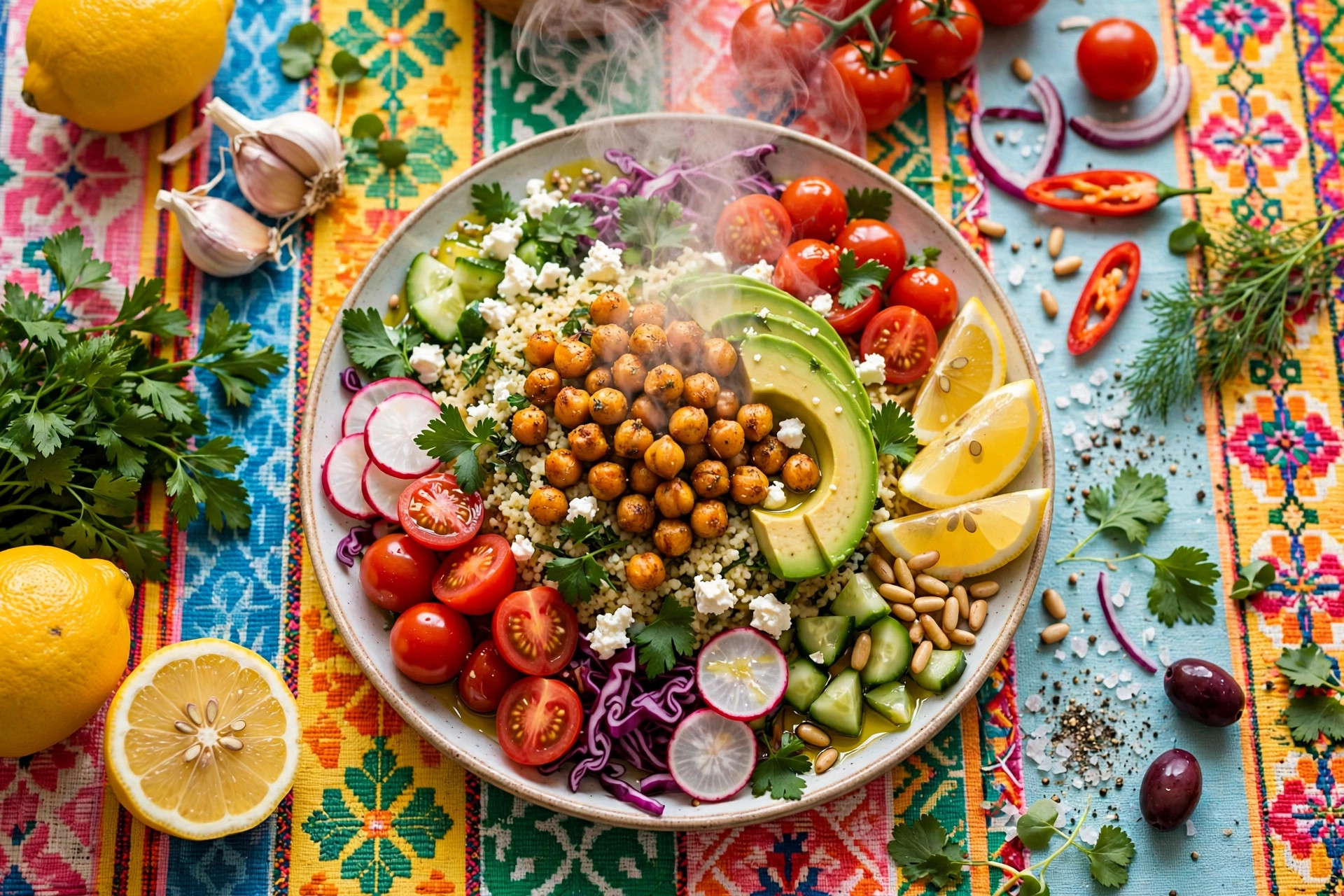
If someone takes a bite of your cooking, closes their eyes, and says “this is bussin,” take it as the highest praise a meal can get. The bussin meaning is simple: something — usually food — is extremely good, delicious, or impressive. It is slang that turns an ordinary compliment into an exclamation, and it has travelled from Black American English through TikTok into everyday conversation around the world. Like learning what delulu means, getting bussin right starts with knowing when the word fits — and when it does not.
Bussin is almost always a compliment, and it is almost always casual. You will hear it at dinner tables, in food reviews, in comments under cooking videos, and in group chats after someone posts a photo of their lunch. You will not hear it in a formal restaurant review or a work email, and that is part of its charm: it sounds like a real person enjoying real food, not a critic writing a verdict. This guide explains what bussin means, where it came from, how to use it, and the mistakes to avoid.
What Does Bussin Mean?
Bussin means extremely good, especially when talking about food. If a dish is bussin, it is not just tasty — it is so good that it surprises you, the kind of good that makes you take another bite before you have finished the first. The word works as an adjective, and it usually follows the thing it describes: “this pasta is bussin,” “those tacos are bussin,” “that burger was bussin.”
Food is the word’s home territory, but bussin has spread beyond the plate. People now use it for anything that hits the same level of excellence: a song can be bussin, a party can be bussin, a new pair of shoes can be bussin. The common thread is enthusiasm. Nobody says something is bussin in a bored voice. The word carries excitement with it, which is why it works so well in short videos and comments, where a single word has to do the work of a whole sentence.
It is worth noting what bussin does not mean. It is not a polite word and it is not a precise one. It does not tell you whether the food was spicy, sweet, or rich — only that the person loved it. Think of it as the slang equivalent of “amazing,” with more energy and a lot more personality.
Where Did Bussin Come From?
Bussin comes from African American Vernacular English, where it grew out of the word “busting.” In that usage, something “busting” was bursting with flavour or quality — so good it could barely be contained. Over time, the pronunciation shifted, the spelling followed, and “bussin” became the standard form in casual speech and online writing.
The word had been around in Black communities and hip-hop lyrics for years before it went mainstream. Its big moment came in 2021, when food creators on TikTok started using it in reviews and taste tests, and short clips of people reacting to amazing meals spread it to millions of viewers who had never heard it before. From there it jumped to Twitter, Instagram, and everyday speech, helped by the fact that it is short, fun to say, and perfectly suited to the way people talk about food online.
That journey matters because it explains the word’s tone. Bussin is joyful, informal, and rooted in a specific community’s way of speaking. When someone says a dish is bussin, no cap, they are insisting they really mean it — and if you want the full picture of that little phrase, learning what no cap means will help you hear the emphasis behind it.
How to Use Bussin
Using bussin correctly is mostly a matter of keeping it casual and keeping it about things you genuinely love. The most common pattern is “this is bussin” or “that was bussin,” said right after tasting or experiencing something great. You can also place it before a noun — “bussin food,” “a bussin playlist” — though the “is bussin” form is far more common.
Here are some example sentences that show the word in action:
- “My grandma’s fried chicken is bussin every single time.”
- “This ramen is bussin — I need the recipe.”
- “The DJ played my song and the whole party was bussin.”
- “I tried that new taco truck and it was bussin, no lie.”
Bussin often shows up next to other praise words. A plate can be bussin and the cook can be having a great day in the kitchen, which is why it helps to know what slay means too — the two words share the same energy of doing something exceptionally well. Just keep the context relaxed: bussin belongs in conversation with friends, in comments, and in captions, not in a job application or a formal letter.
Bussin vs Mid: Opposite Ends of the Scale
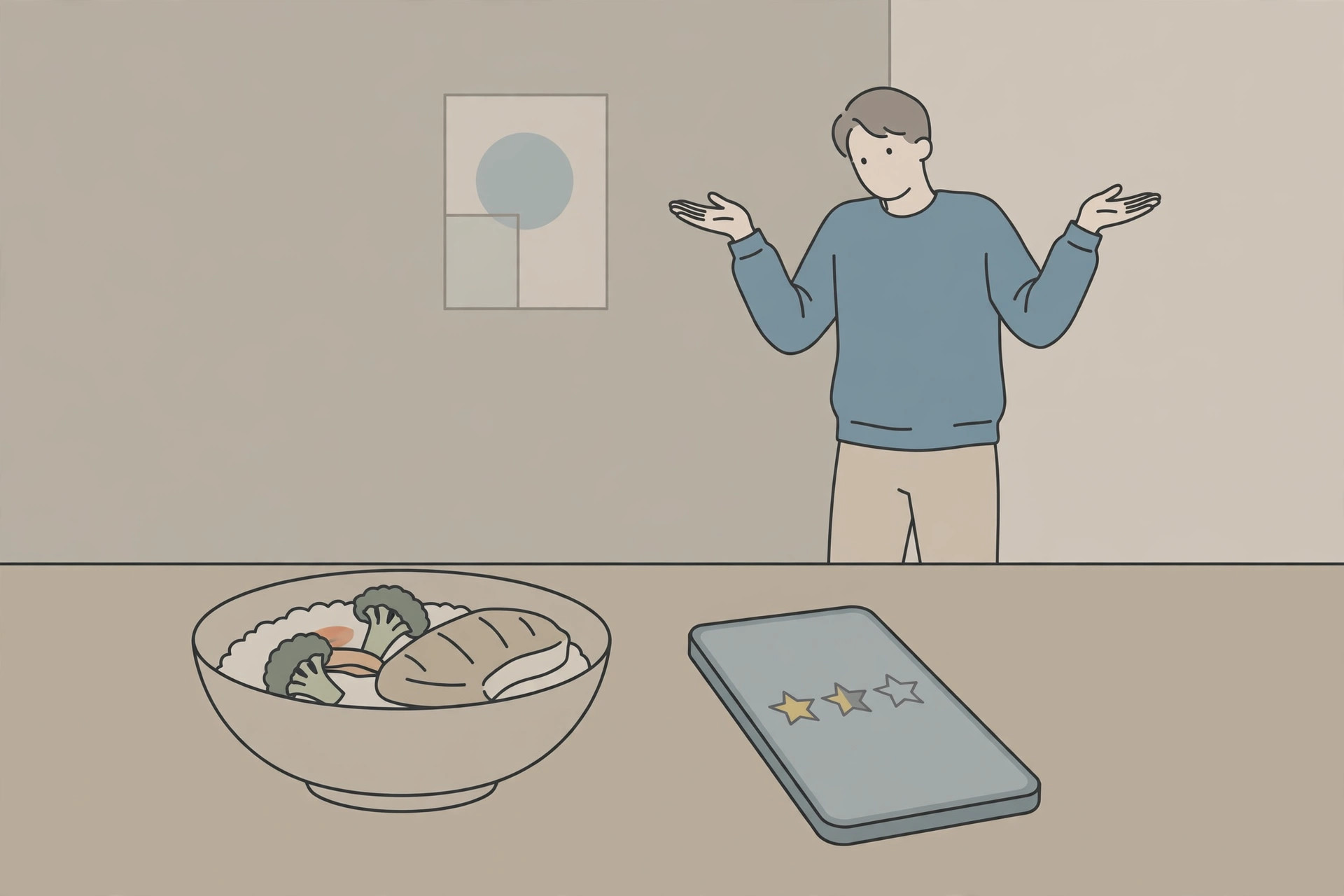
If bussin is the top of the slang scale for quality, its opposite is “mid.” Where bussin means outstanding, mid means average, mediocre, or underwhelming — the kind of meal you forget five minutes after eating it. The two words are often used together as a contrast: “the fries were bussin but the burger was mid.”
Understanding the pair helps you use both words better. To see the full picture of the low end of the scale, read what mid means and how it became the internet’s favourite way to call something ordinary. Between bussin and mid sits a whole range of reactions, but slang loves extremes, and these two words give you both ends in a single syllable each.
Other words in the same family include “fire” and “lit,” which also praise something as excellent. Bussin is the most food-specific of the group, though, and that is its strength: when someone says a meal is bussin, you know exactly what kind of good they mean.
Common Mistakes When Using Bussin
The most common mistake is using bussin in the wrong setting. It is a casual, playful word, so dropping it into a formal email, a school essay, or a conversation with a stranger in a professional setting can come across as careless or out of place. Save it for friends, family, social media, and anywhere relaxed conversation is welcome.
The second mistake is overusing it. If every meal is bussin, the word loses its punch. It works best when it marks something genuinely special — the dish that surprised you, the takeaway that beat your expectations, the home-cooked meal worth bragging about. Used sparingly, it lands; used constantly, it fades into background noise.
The third mistake is using it for things that do not fit. Bussin describes quality and enjoyment, not size, price, or appearance alone. A restaurant can be expensive without being bussin, and a plate can look beautiful without tasting bussin. The word is a verdict on the experience, not on the looks. If you want more chances to hear it at your own table, meal prep for beginners is a good place to start building cooking habits that actually earn the compliment.
Frequently Asked Questions
What does bussin mean in slang?
Bussin means extremely good or delicious, most often used to describe food. If a dish is bussin, it is outstanding — the kind of good that makes you want another bite immediately. It can also describe other things, like a song or a party, that are exceptionally enjoyable.
Where did the word bussin come from?
Bussin comes from African American Vernacular English, growing out of the word “busting,” meaning bursting with flavour or quality. It went mainstream in 2021 when TikTok food creators started using it in reviews and taste-test videos, and it has since spread into everyday casual speech.
Is bussin only used for food?
Food is the most common use, but no — bussin can describe anything excellent, including music, parties, outfits, and experiences. Food is simply where the word started and where it still sounds most natural.
Is it okay to say bussin?
Yes, in casual settings. Bussin is informal slang, so it fits well with friends, family, and social media. Avoid it in formal writing, professional emails, and serious situations where slang would feel out of place.
What is the opposite of bussin?
The opposite of bussin in slang is “mid,” which means average or mediocre. If a meal is bussin, it is outstanding; if it is mid, it is forgettable. The two words are often used together to compare different dishes or experiences.
More Articles You’ll Like
Keep reading — more from this category and across the site:
- What Does ‘Lock In’ Mean? Meaning, Origin, and Usage
- What Does ‘Cooked’ Mean? Meaning, Origin, and Usage
- What Does ‘Rizz’ Mean? Meaning, Origin, and Examples
- What Does ‘Sus’ Mean? Meaning, Origin, and Examples
- What Does ‘Lowkey’ Mean? Meaning, Origin, and Examples
- What Does ‘Touch Grass’ Mean? Meaning, Origin, and Examples
- What Does ‘Vibe Check’ Mean? Meaning, Origin, and Examples
- Child-Resistant Packaging Explained: Rules and Safety
- 50 Funny Gingerbread Jokes for Kids and Adults to Share
- How to Calibrate Your Printer for Accurate Colors