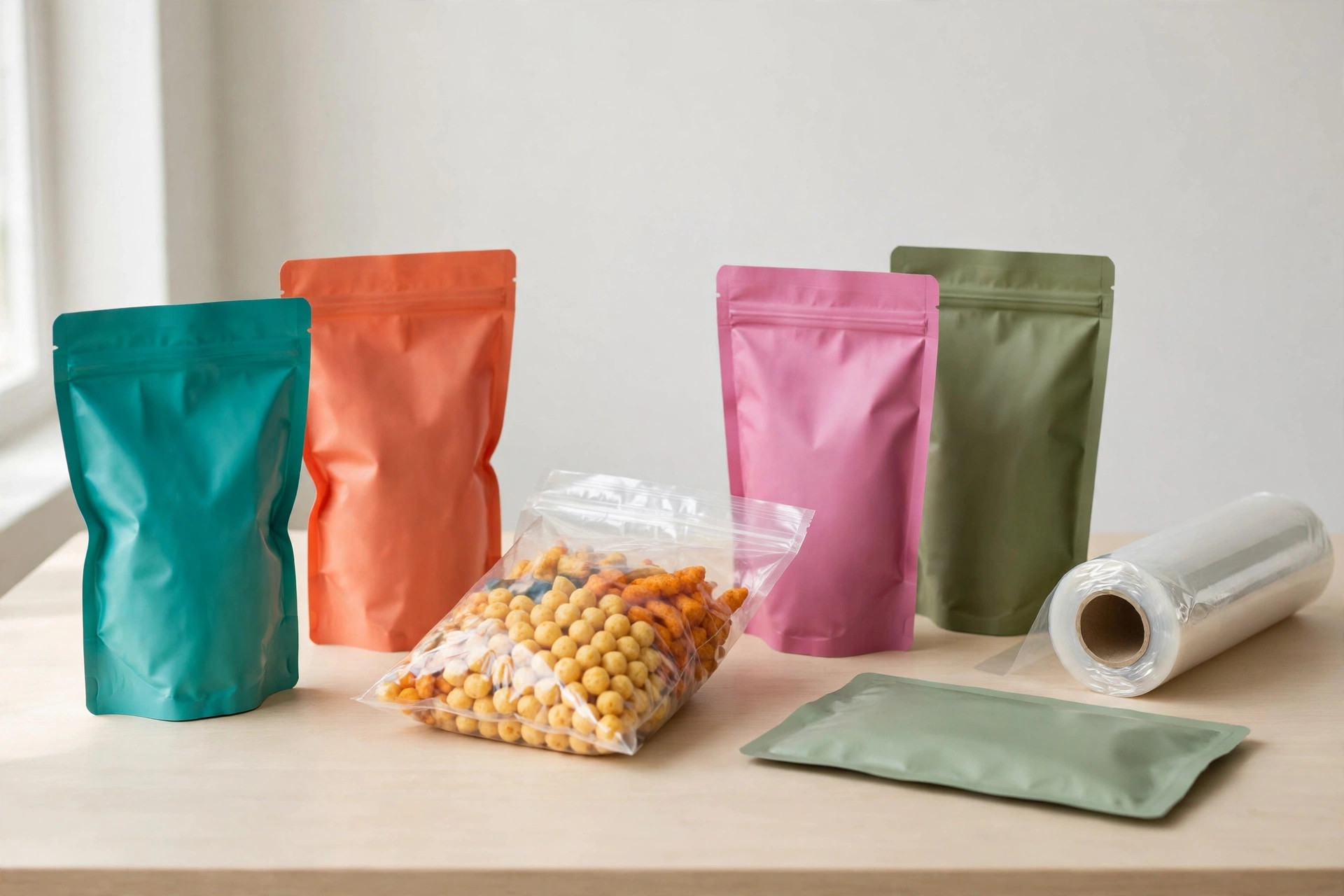
Pick up a bag of coffee, a pouch of baby food, or a packet of crisps, and you are holding flexible packaging. Flexible packaging is any packaging made from pliable materials, such as plastic film, foil, or paper, that can bend, fold, and change shape instead of holding a fixed, rigid form. Unlike a glass jar or a metal tin, a flexible pack wraps closely around its contents, uses far less material, and takes up much less space when it is empty. That simple difference is why it has become the default choice for so many products on supermarket shelves.
In this guide, we explain what flexible packaging is, the main types you will come across, where it is used, and the benefits and drawbacks to weigh up before choosing it for your own product. If you are comparing formats for a food product, our guide to stand-up pouches compared with rigid boxes is a useful starting point alongside this one.
What Is Flexible Packaging?
Flexible packaging is packaging made from materials that are not rigid. The most common materials are plastic films such as polyethylene and polypropylene, aluminium foil, and flexible papers, often layered together into a single sheet. Each layer does a different job: one layer might keep oxygen out, another might block moisture, and a third might carry the printed design. Laminating these layers together creates a material that is thin, light, and surprisingly strong.
Because the material is flexible, the pack is usually formed around the product rather than the product being placed into a pre-shaped container. A pouch, for example, starts as a flat sheet of film that is folded, sealed, and filled on a packing line. The flexibility also means the pack shrinks as the product is used, so a half-empty pouch takes up less room than a half-empty jar.
The Main Types of Flexible Packaging
Stand-Up Pouches
Stand-up pouches are the most recognisable form of flexible packaging. They have a gusset at the bottom that lets them stand upright on a shelf, and they usually come with a resealable zip or a tear notch. You will see them holding coffee, snacks, dried fruit, pet treats, and laundry pods. They print beautifully, use little material, and are easy for customers to open, close, and store.
Flat Pouches and Pillow Bags
Flat pouches and pillow bags are sealed on three or four sides and lie flat. Pillow bags, named for their puffed-out shape when filled, are the classic crisp and snack bag. Flat pouches are often used for single servings, samples, and sachets of sauce, shampoo, or instant coffee. They are cheap to produce and pack flat for transport, which keeps shipping costs down.
Films and Wraps
Flexible films are used as wraps around individual products, such as chocolate bars and cheese, and as flow wrap around multipacks. Shrink film is pulled tight around a group of items with heat, holding them together as one unit. Cling film and stretch film are also part of this family, used in kitchens and warehouses to protect food and pallet loads.
What Is Flexible Packaging Used For?
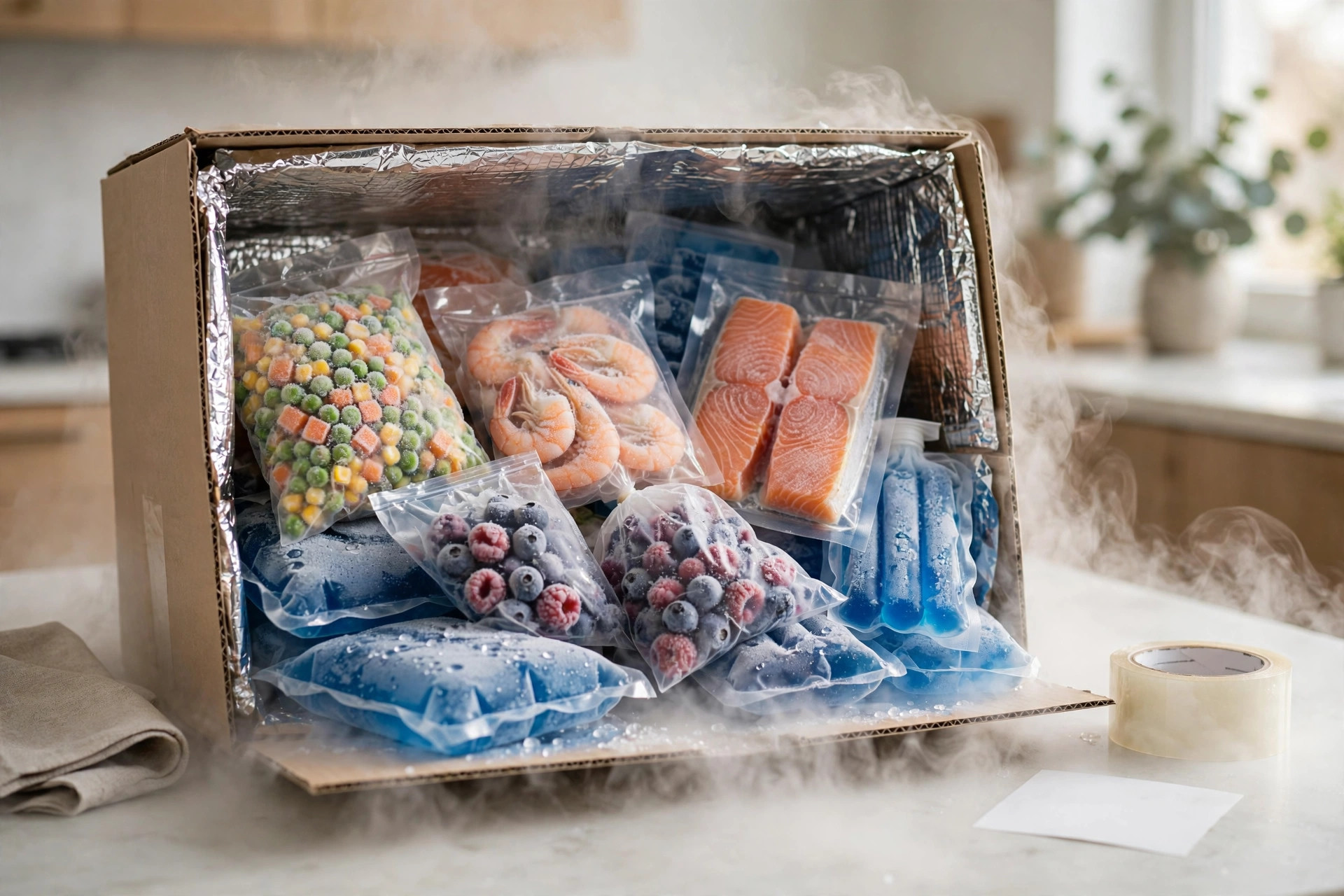
Food and drink is by far the biggest user of flexible packaging. Snacks, coffee, tea, dried pasta, rice, frozen vegetables, meat, cheese, and sauces all travel in flexible formats. The barrier layers in the film keep oxygen and moisture out, which protects flavour and extends shelf life without refrigeration in many cases. Food packs also have to meet labelling rules, so read our guide to how to label food packaging correctly before you finalise your design.
Pet food is another major use. Large resealable pouches and bags have replaced many rigid tubs and tins for dry pet food and treats, because they are lighter to carry home and easier to store. Personal care products, including shampoo sachets, refill pouches, and wet wipes, also rely on flexible formats. Refill pouches have grown quickly as brands encourage customers to reuse a rigid bottle and buy the refill in a pouch that uses far less plastic.
Healthcare and household products use flexible packaging too. Blister packs for tablets, pouches for powdered supplements, and bags for cleaning products all depend on strong seals and good barrier protection. In each case, the pack has to protect the product, be easy to open, and survive transport without leaking.
Benefits of Flexible Packaging
The biggest benefit is weight. A flexible pouch can weigh a fraction of an equivalent glass jar or tin, which cuts transport costs and the fuel used to move goods. Lighter packs also mean more product fits on each pallet and in each delivery van. For businesses shipping direct to customers, that saving adds up quickly.
Flexible packaging also uses less material. Because the film wraps closely around the product, there is very little empty space and very little packaging by weight. When the pack is empty, it folds flat, so it takes up far less room in a bin than a rigid container. Customers notice this too: a pouch is easier to squeeze into a cupboard and simpler to carry than a heavy jar.
Shelf life is another strong point. The layered films can block oxygen, moisture, and light very effectively, which keeps food fresh for longer. For brands, the large, flat printable surface is a bonus: the whole front of a pouch can carry bold branding and product information that stands out on a shelf.
Flexible Packaging vs Rigid Packaging
Flexible and rigid packaging each have their place, and the best choice depends on the product. Rigid packaging, such as glass jars and plastic tubs, protects fragile or liquid products well and can be reused or refilled easily. It also feels premium, which matters for gifts and high-end goods. To weigh up the two materials properly, read our guide to how glass and plastic packaging compare for your product.
Flexible packaging usually wins on cost, weight, and storage space. It generally loses on protection: a pouch will not protect a delicate product as well as a rigid box, and it can be punctured by sharp contents. A practical approach is to match the pack to the product: dry goods, snacks, and powders usually suit flexible packaging, while liquids that need pouring and premium gift items often suit rigid packaging. Many brands use both, with a rigid bottle for the first purchase and a flexible refill pouch for the next.
Sustainability and Recycling
Flexible packaging has a mixed reputation on sustainability, and it is worth understanding both sides. On the plus side, it uses less raw material and less energy to transport than most rigid alternatives, which lowers its carbon footprint per pack. The downside is recycling: most flexible packs are made from several layers bonded together, and many local recycling systems cannot separate those layers, so the packs often end up in general waste.
Things are improving. Pouches made from a single type of plastic are now widely available and are accepted by more recycling schemes, and compostable films made from plant-based materials are another option, although they need the right composting conditions to break down properly. If sustainability matters to your brand, start with our guide to eco-friendly packaging options for small businesses, and be honest in your claims: avoid vague words like eco-friendly on the pack unless you can explain exactly what makes it better.
How to Choose the Right Flexible Packaging
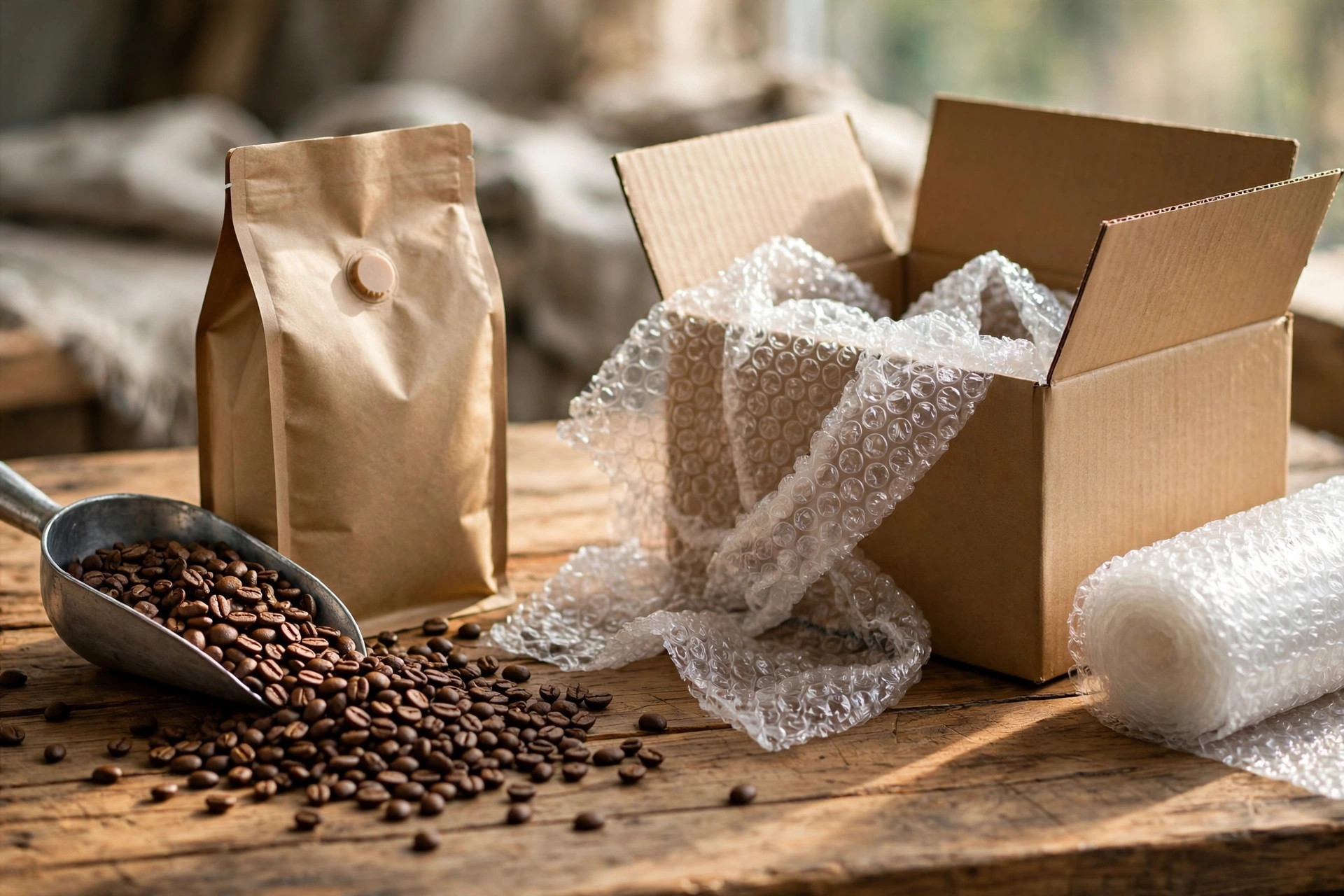
Start with your product. Ask how long it needs to stay fresh, whether it is wet or dry, sharp or soft, and how customers will open and close it. A bag of coffee needs a valve to release gas and a resealable zip; a bag of crisps needs a strong oxygen barrier and a tear notch. The product decides the material, not the other way around. Our guide to how to choose the right packaging materials for your product walks through the questions to ask a supplier before you commit.
Next, think about your volumes and budget. Small runs usually suit ready-made pouches that you fill by hand or with a small machine, while large runs suit film supplied on rolls for high-speed filling lines. Ask suppliers for samples and test them: fill them, drop them, and stack them. Also consider the whole journey: will the pack survive postal delivery and reseal properly for your customer? A pack that splits in transit will cost you far more than the money you saved on the material.
Common Mistakes to Avoid
The most common mistake is choosing a film that looks good but does not protect the product. A pouch with a poor oxygen barrier will let coffee go stale or crisps go soft, and no amount of branding will fix that. Always match the barrier properties to the shelf life you need, and test with real product, not empty packs. The other common mistake is forgetting the customer: a pouch that is hard to open, impossible to reseal, or difficult to pour from will frustrate the people you want to keep, so ask a few customers to try a sample before you order thousands.
Frequently Asked Questions
Is flexible packaging the same as plastic packaging?
Not exactly. Most flexible packaging is made from plastic films, but it can also be made from paper, foil, or combinations of these materials. Flexible packaging describes the form, a pack that bends and changes shape, while plastic packaging describes the material.
Is flexible packaging recyclable?
Some of it is, but it depends on the material and where you live. Pouches made from a single type of plastic are increasingly recyclable, and some supermarkets collect flexible plastics at the store. Multi-layer pouches are harder to recycle and are often not accepted in household recycling, so check the label on the pack and your local guidance.
What products are best suited to flexible packaging?
Dry foods like coffee, snacks, rice, and pet food are ideal, as are powders, liquids in refill pouches, and single-serve portions. Products that need strong protection from crushing, or that customers expect in a premium rigid container, may be better in a jar, tin, or box.
Does flexible packaging keep food fresh?
Yes, when the right film is used. Layered films can block oxygen, moisture, and light, which are the main causes of food going stale. Vacuum-sealed and resealable pouches keep food fresh even longer, so match the barrier properties of the film to the product and the shelf life you need.
Is flexible packaging cheaper than rigid packaging?
Usually, yes. Flexible packaging uses less material, costs less to produce per unit, and is much cheaper to transport and store because it is light and packs flat. Even small businesses often find pouches cheaper than jars or tins once shipping and storage are included.
More Articles You’ll Like
Keep reading — more from this category and across the site:
- How to Package Fragile Food Items for Delivery
- How to Package Baked Goods for Shipping Without Breaking Them
- How to Package Candles for Shipping Without Melting or Breaking
- How to Package Handmade Soap for Shipping Safely
- Mailer Boxes vs Shipping Boxes: Which Should You Use?
- Child-Resistant Packaging Explained: Rules and Safety
- How to Package Electronics for Shipping Safely
- How to Package Fragile Ceramics for Shipping Safely
- How to Package Frozen Food for Shipping Safely
- 50 Funny Ice Skating Jokes for Kids and Adults to Share