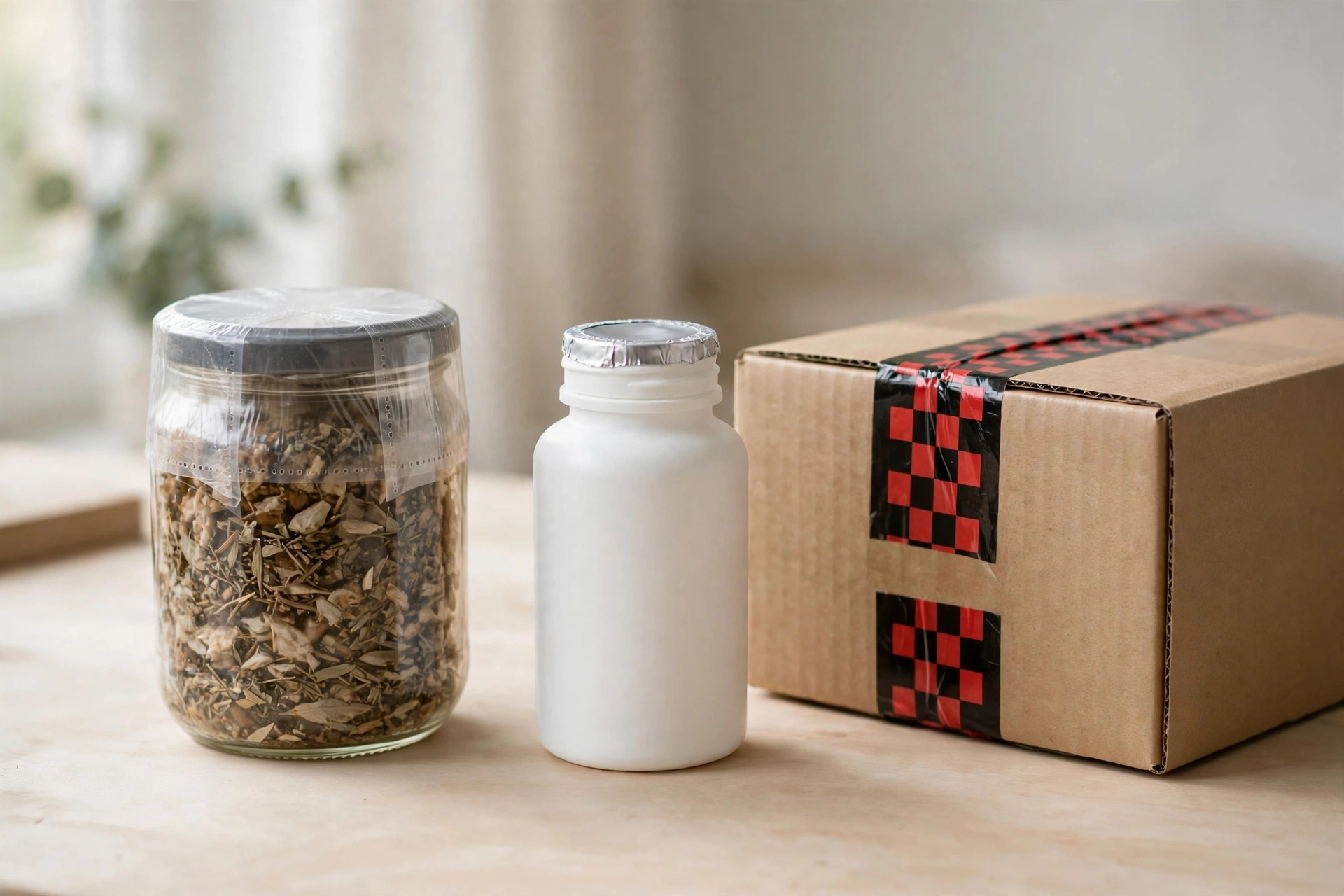
If you have ever opened a jar of jam and found a plastic band around the lid that you had to tear off first, you have used tamper-evident packaging. Tamper-evident packaging is packaging designed to show clear, visible signs if someone has opened it, tried to open it, or interfered with it before it reached you. It does not make a package impossible to open — instead, it makes any interference obvious, so customers can trust that what is inside is exactly what left the factory. For food, medicine, cosmetics, and many other products, that visible proof matters as much as the product itself, and choosing the right protective features starts with knowing how to choose the right packaging materials for what you sell.
This guide explains what tamper-evident packaging is, how it works, the main types you will come across, and the benefits it brings to your business and your customers. Whether you run a small food business, sell handmade products online, or are simply curious about the seals and bands on the products you buy, you will finish with a clear picture of which features fit your products and how to use them well.
How Tamper-Evident Packaging Works
The idea behind tamper-evident packaging is simple: the seal, band, or closure cannot be removed or opened without leaving evidence behind. A shrink band tears or splits when it is pulled off. A foil seal under a bottle cap breaks the first time the cap is twisted. A strip of security tape leaves a pattern or a message on the box when it is peeled away.
Tamper-Evident vs Tamper-Proof vs Tamper-Resistant
These three terms sound similar, but they mean different things, and mixing them up can cause problems — especially if you are writing product descriptions or labels.
Tamper-evident packaging shows visible evidence if it has been opened or interfered with. It does not claim to stop tampering, only to reveal it. This is the standard most products use, and the term customers and regulators recognise.
Tamper-proof suggests the package cannot be tampered with at all. In practice, almost no packaging is truly tamper-proof — given enough time and effort, any seal can be defeated. That is why the term is best avoided in product claims: it promises more than any packaging can deliver.
Tamper-resistant packaging is designed to resist opening or interference, usually by making it harder, slower, or requiring a tool. Child-resistant caps are a good example: they are harder for a child to open, but they still leave the question of whether an adult has opened them. Our guide to child-resistant packaging explained covers how those closures work and where they are required, which is useful if your product needs both safety and tamper evidence.
Common Types of Tamper-Evident Packaging
Shrink Bands and Sleeves
A shrink band is a tube of plastic film fitted over a cap, lid, or neck of a container and shrunk with heat so it grips tightly. To open the product, the customer tears the band along a perforation. Once torn, it cannot be put back. Shrink bands are common on jars, bottles, and tubs of food, and they are popular with small producers because the equipment needed is simple and the bands themselves are inexpensive.
Induction Seals
An induction seal is a thin foil disc sealed to the mouth of a bottle or jar using heat from an induction sealer. The seal stays in place until the customer peels it off, and once removed it cannot be reattached. You will find induction seals on medicines, vitamins, sauces, and oils. They also help keep the product fresh, since they form an airtight barrier.
Breakable Caps and Rings
Many bottles use a cap with a ring attached at the bottom. The first time the cap is twisted, the ring breaks away from the cap and stays on the bottle neck. If the ring is missing, detached, or already broken, the bottle has been opened. This is one of the most familiar tamper-evident features in everyday shopping, used on drinks, cooking oil, and cleaning products.
Security Tape
Security tape is used to seal boxes and cartons. It looks like ordinary packing tape, but when it is peeled off it leaves a visible pattern, message, or colour change on the surface underneath — or it tears in a way that cannot be hidden. It is widely used for shipping boxes, electronics, and high-value goods, and it works well for e-commerce sellers who want customers to know a parcel arrived untouched.
Blister Packs
A blister pack seals each tablet, capsule, or small item in its own pocket of plastic and foil. Once a pocket is pushed through, it stays open. This gives customers item-by-item evidence that nothing has been removed or replaced, which is why blister packs are standard for medicines and supplements.
Tear Strips and Perforated Seals
Some cartons and bags have a built-in tear strip: a strip of the packaging itself that you pull to open the product. Once pulled, the strip is gone and the opening is obvious. Perforated seals work the same way on boxes and envelopes. These features are cheap to add at the manufacturing stage and work well for dry goods, snacks, and single-use items.
Benefits of Tamper-Evident Packaging
Tamper-evident packaging is sometimes treated as a cost, but for most businesses it pays for itself in trust and protection.
Customer trust. A visible, intact seal tells a customer the product is fresh, genuine, and untouched. For food and medicine, that reassurance is often the reason a customer chooses one brand over another. A product without a seal can look unfinished or suspicious by comparison.
Safety. If a product has been opened or contaminated, a broken seal gives the customer a clear warning before they use it. That protects the customer and protects your business from the consequences of a product being used after it was tampered with.
Regulatory compliance. For medicines, food, and some other products, tamper-evident packaging is not optional — it is required by law or by industry rules. Using it keeps your business on the right side of those requirements and avoids costly recalls or fines.
Where Tamper-Evident Packaging Is Required
Some industries must use tamper-evident packaging. Over-the-counter medicines are the best-known example: in many countries, regulations require a tamper-evident feature on medicines sold to the public, a rule that followed a series of tampering cases in the 1980s. Food products are often covered too, particularly items like baby food, dairy, sauces, and bottled drinks, where contamination would be dangerous.
Rules vary by country and by product, so if you are unsure whether your product needs it, check the regulations that apply where you sell. Your packaging supplier or a local trade association can usually point you to the right rules.
How to Choose the Right Tamper-Evident Features
Choosing tamper-evident packaging is a practical decision, not a technical one. Start with your product and work from there.
- Match the feature to the container. A shrink band suits jars and bottles; a security tape suits boxes; a blister pack suits tablets. The feature has to fit the shape and material of your packaging, or it will fail in use.
- Think about your customer. The seal should be easy for your customer to open and easy to understand. If customers struggle to open it, they will be frustrated; if they cannot tell whether it is intact, the feature is useless. Test your packaging on real people before you commit to a large order.
- Consider your production setup. Some features, like induction seals, need specialist equipment. Others, like shrink bands or security tape, can be applied by hand in small batches. Choose features your production process can apply reliably, every time.
- Think about sustainability. Tamper-evident features add material to your packaging. If your customers care about the environment — and most do — look for options that fit your wider approach, such as the recyclable and compostable options covered in our guide to what is biodegradable packaging and its benefits for small businesses.
- Keep the label clear. Add a short note on the label telling customers what to check, such as “seal intact” or “do not use if the band is broken.” Good labelling is part of the system: our guide on how to label food packaging explains the rules and best practices for making your labels clear and compliant.
Common Mistakes to Avoid
A tamper-evident feature only works if it is used properly. These are the mistakes that most often undermine it.
Using the wrong feature for the product. A shrink band that does not fit the jar properly will slip or split during transport, and customers will assume the product has been tampered with. Test your chosen feature with your actual product, through real shipping and handling, before you commit.
Forgetting the outer packaging. Many businesses seal the product itself but forget the shipping box. If you sell online, the outer box matters too: a security tape or a sealed mailer box shows the customer the parcel arrived untouched. Our comparison of what is corrugated packaging explains the box types most online sellers use and which ones suit heavier or fragile products.
Frequently Asked Questions
What is the difference between tamper-evident and tamper-proof packaging?
Tamper-evident packaging shows visible signs if it has been opened or interfered with, while tamper-proof packaging claims it cannot be tampered with at all. Almost no packaging is truly tamper-proof, so tamper-evident is the honest and standard term.
Is tamper-evident packaging required by law?
It depends on the product and the country. Over-the-counter medicines are required to have tamper-evident packaging in many countries, and food products such as baby food, dairy, and bottled drinks are often covered by food safety rules. Even where it is not legally required, retailers and customers often expect it.
What products need tamper-evident packaging?
Any product where safety or authenticity matters benefits from tamper-evident packaging. The most common are medicines, vitamins and supplements, food and drinks, baby products, cosmetics, and high-value items such as electronics.
How can customers tell if a package has been tampered with?
Customers should look for the specific seal on the product: a shrink band that is torn or missing, a foil seal that is already broken, a cap ring that has separated from the cap, or security tape that shows a pattern or has been peeled.
Does tamper-evident packaging cost a lot more?
Usually not. Shrink bands, tear strips, and security tape add only a small cost per unit, and breakable caps are standard on many bottles. Induction seals and blister packs cost more because they need specialist equipment, but for most small businesses the added cost is small compared with the trust, safety, and protection the seal provides.
More Articles You’ll Like
Keep reading — more from this category and across the site:
- How to Package Fragile Food Items for Delivery
- Stand-Up Pouches vs Boxes: Which Food Packaging Is Right for Your Product?
- How to Package Baked Goods for Shipping Without Breaking Them
- Glass vs Plastic Packaging: Which Is Better for Your Product?
- Eco-Friendly Packaging for Small Businesses: A Practical Guide
- How to Package Candles for Shipping Without Melting or Breaking
- How to Package Handmade Soap for Shipping Safely
- Mailer Boxes vs Shipping Boxes: Which Should You Use?
- How to Package Coffee for Shipping: A Step-by-Step Guide
- 50 Funny Christmas Jokes for Kids to Share This Holiday