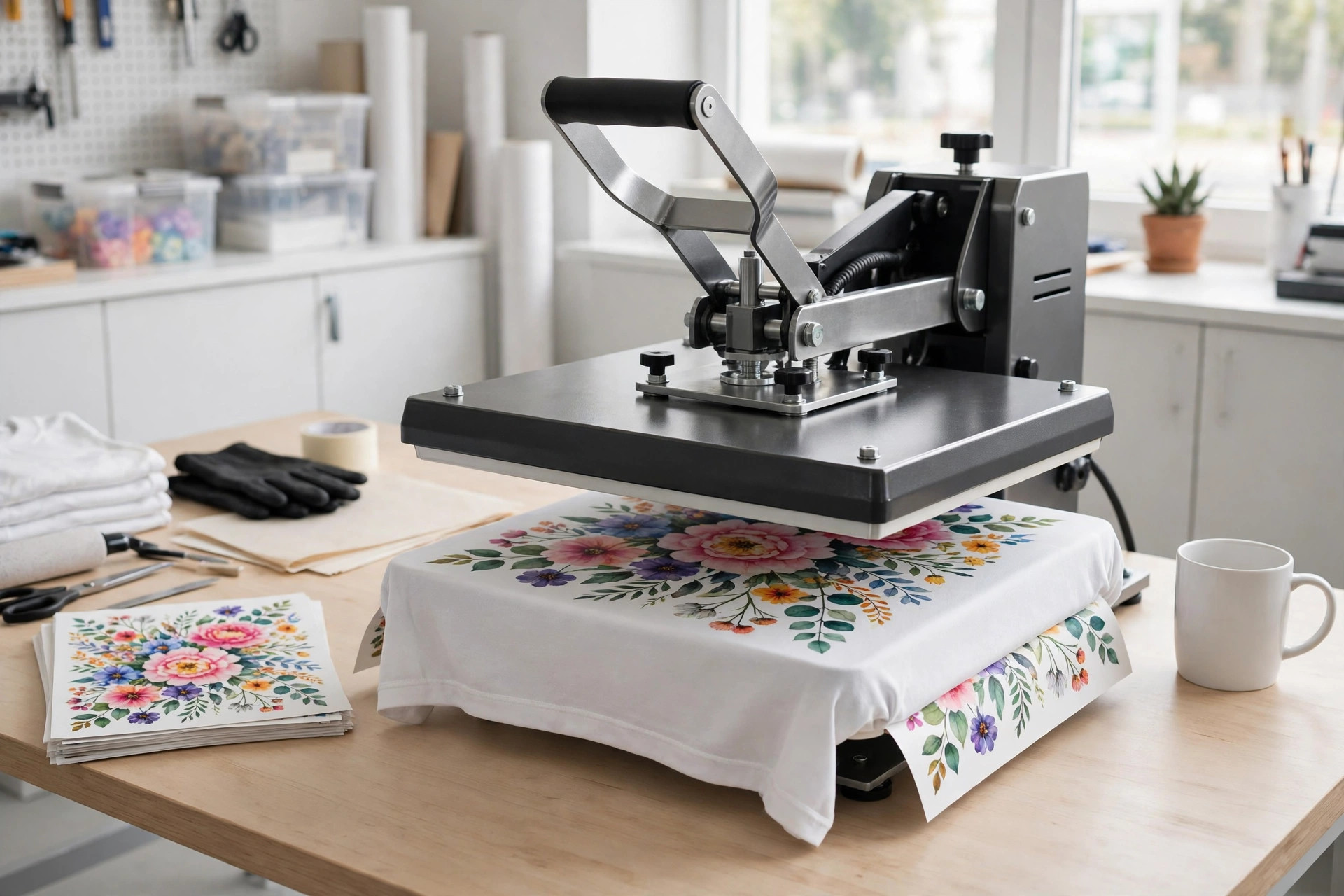
If you have ever bought a custom t-shirt, mug, or phone case with a bright design that never cracks, peels, or fades, it was probably made with sublimation printing. It is one of the most popular ways to put full-colour designs onto fabric and coated objects, and it works very differently from ordinary inkjet or laser printing. So, what is sublimation printing, and how does a printed sheet of paper turn into a permanent image on a shirt?
In short, sublimation printing uses heat to turn special dye into a gas, which bonds with polyester fibres or a special coating and becomes part of the material itself. There is no layer of ink sitting on the surface, which is why the print feels smooth and lasts so long. It is a different process from what digital printing is, where ink is applied directly to the surface.
What Is Sublimation Printing?
Sublimation printing, also called dye sublimation, is a printing method that transfers a design from special paper onto a suitable surface using heat and pressure. The word “sublimation” describes the key step: the solid dye skips the liquid stage and turns straight into a gas when heated. That gas penetrates the surface, and as it cools it turns back into a solid, locking the colour inside the material.
Because the dye becomes part of the item rather than a coating on top of it, a sublimated design will not crack, peel, or flake away with wear, and the colours stay vivid. This is quite different from what UV printing is, where ink is cured onto the surface with ultraviolet light and remains as a thin layer on top.
Sublimation is most often used for custom clothing, especially sports jerseys and all-over-print t-shirts, as well as mugs, mouse pads, phone cases, metal signs, ceramic tiles, and fabric banners. If you run a small custom-gift business or want to make personalised items at home, it is one of the most accessible professional-looking methods to learn.
How Dye Sublimation Works, Step by Step
The process has four main stages, and each one matters. Getting any of them wrong usually shows up in the finished print as faded colours, ghosting, or a blurred image.
1. Create and print the design
First, the design is created on a computer and printed in mirror image onto sublimation transfer paper using a printer filled with sublimation ink. The mirror image is essential: the transfer is pressed face-down, so anything printed normally would come out backwards. Before you print, read our guide on how to prepare files for print — work at a high resolution and check the size against the item you are pressing.
2. Position the transfer
Next, the printed transfer is placed face-down on the item and held in place with heat-resistant tape. Alignment matters, especially on garments: a design that is a centimetre off-centre is obvious once the shirt is worn. For mugs, the transfer is wrapped tightly around the surface and secured so it cannot shift.
3. Apply heat and pressure
The item and transfer then go into a heat press. A typical press for polyester fabric runs at around 180–200°C (about 355–400°F) for 30–60 seconds, though exact settings depend on the material, the ink, and the press. The heat turns the dye into a gas, the pressure keeps the transfer in close contact, and the gas bonds with the fibres or coating.
4. Peel and cool
Once the time is up, the transfer paper is peeled away — usually while still hot — and the item is left to cool. The design is now part of the item. There is no drying time, so a finished shirt can be worn or a mug used straight away.
What Materials Work Best for Sublimation?
Material choice is the single biggest factor in sublimation printing. The process only works on surfaces that can accept the dye gas, which in practice means two groups of materials.
Polyester fabric. The higher the polyester content, the better the result. A 100% polyester shirt gives bright, sharp colours that last. A 50/50 cotton-polyester blend still takes a print, but the colours come out softer, because the dye only bonds with the polyester fibres and washes out of the cotton ones. Pure cotton does not work at all with standard sublimation, unless you first apply a special polyester spray or vinyl layer.
Coated hard surfaces. Mugs, tumblers, phone cases, metal plates, and ceramic tiles all need a special polymer coating to accept sublimation dye. Uncoated ceramic or plain metal will not hold the image. When buying blanks, always check that they are labelled “sublimation blanks” — regular blanks look identical but will produce a faint, patchy print.
Light colours work best. Sublimation ink is transparent, so it has no white ink to print light colours onto dark fabric. On a black shirt, the design simply disappears into the fabric. White and pale-coloured blanks give the truest colours; pastel blanks will tint the design slightly with the base colour.
Equipment You Need to Get Started
You do not need a factory to start sublimation printing, but you do need the right kit. A standard inkjet printer cannot be converted simply by swapping the ink — most beginners buy a printer designed for sublimation, or a compatible model with refillable tanks.
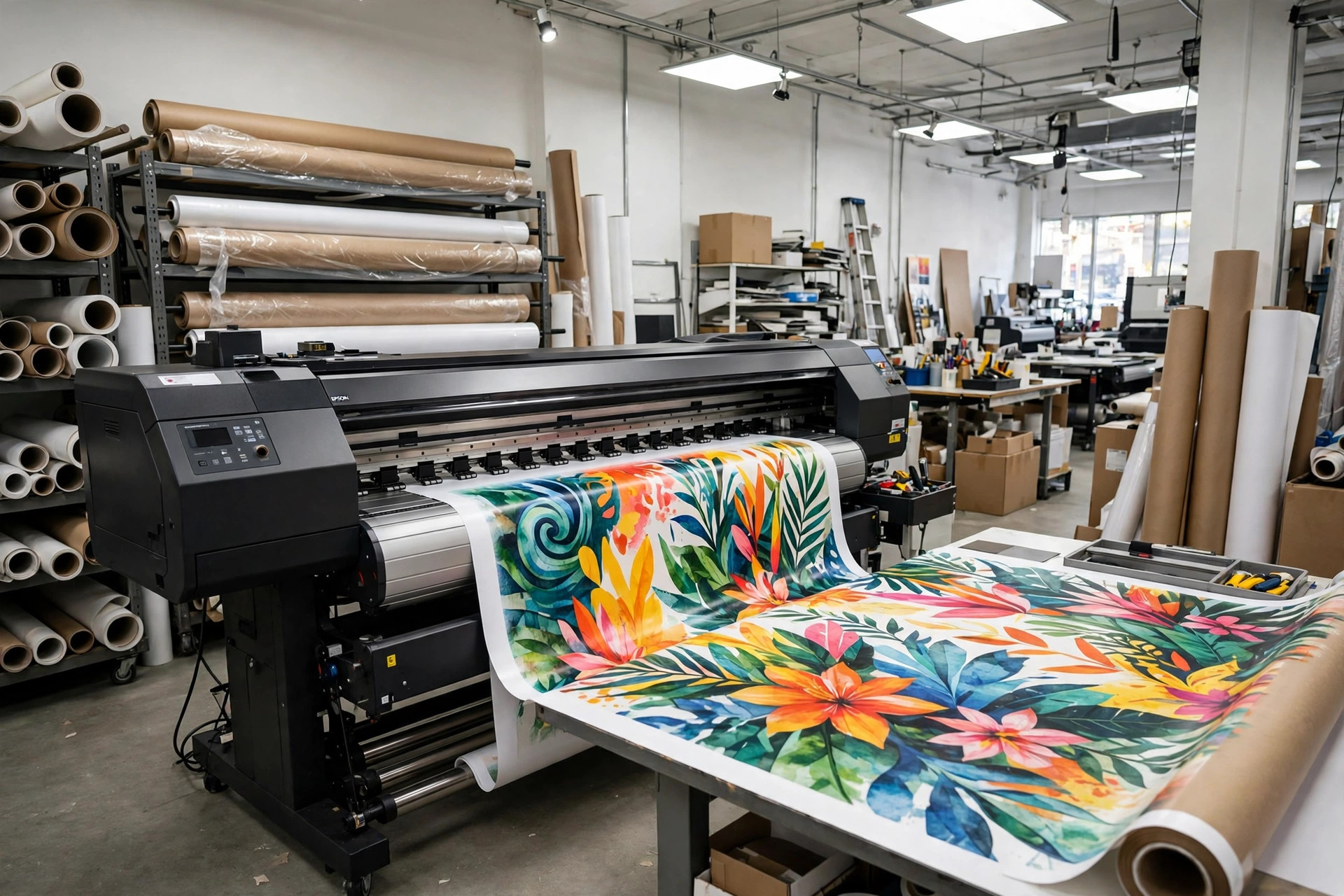
The essentials are: a sublimation printer and sublimation ink, sublimation transfer paper, a heat press (flat press for shirts, mug press for mugs), heat-resistant tape, and sublimation blanks. A wide-format printer opens up larger items such as full-size banners, and our explainer on what large format printing is will help you judge whether that scale makes sense for you.
Sublimation vs Other Printing Methods
Sublimation is not the best choice for everything. Against screen printing, it wins for full-colour, photographic designs and small runs, because there is no setup per colour and no minimum order. Screen printing still wins for large runs of simple designs on cotton shirts, where its per-shirt cost is lower and it prints well on dark fabric. Compared with what offset printing is, sublimation is a short-run, on-demand method, while offset is built for thousands of identical copies on paper and card.
Against direct-to-garment (DTG) printing, sublimation gives a softer feel and better durability on polyester, but DTG handles cotton and dark garments far better, since it can print white ink. Against heat-transfer vinyl, sublimation handles complex, multi-colour artwork in one press, while vinyl suits simple lettering and single-colour logos. The right method depends on the material, the design, and the quantity.
Pros and Cons of Sublimation Printing
Sublimation has clear strengths. The prints are permanent and will not crack, peel, or fade with normal washing. It reproduces photographs and gradients beautifully, with smooth colour blends that vinyl and screen printing struggle to match. There is no minimum order, so one-off personalised gifts are economical, and the finished item feels exactly like the blank — no stiff printed patch.
The limitations are just as real. It only works on polyester or coated surfaces, and only on light colours. Startup costs are higher than a basic iron-on setup, because you need a dedicated printer and a heat press. Colour matching can be tricky, so test prints are part of the workflow. And mistakes are permanent — a misaligned print cannot be fixed, so the item is wasted.
When to Use Sublimation Printing
Choose sublimation when you are printing full-colour or photographic designs onto light-coloured polyester garments, or onto coated items such as mugs, tumblers, and metal signs. It is ideal for personalised gifts, sports team kits, promotional merchandise, and small businesses that sell made-to-order products, because each item can carry a different name, photo, or design at no extra setup cost.
Do not choose it for dark cotton t-shirts, large runs of a single simple logo, or uncoated natural materials — other methods will serve you better there. If you are unsure, order a single sample before committing to a batch.
Common Mistakes to Avoid
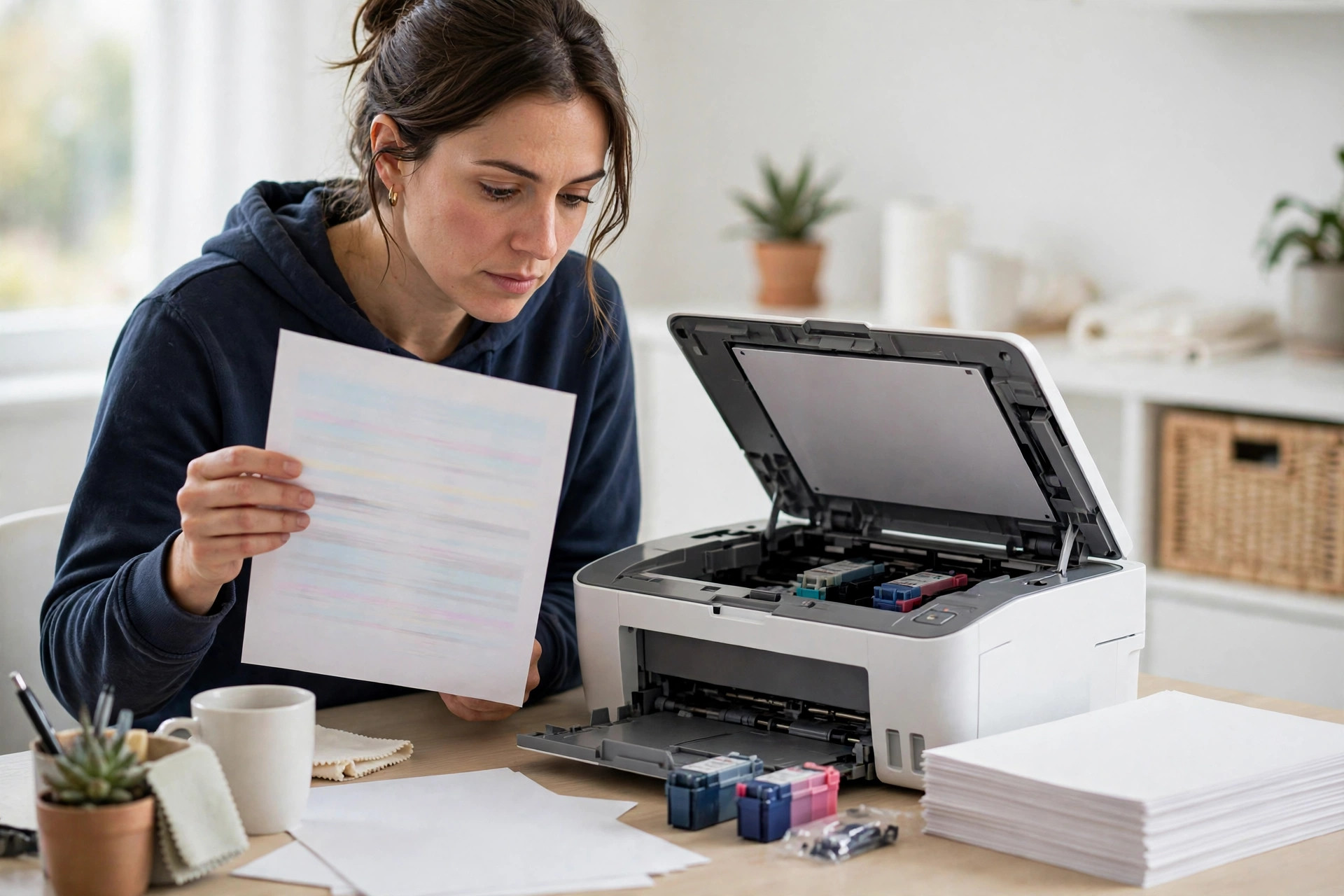
Most sublimation failures come from a handful of avoidable errors. Pressing on the wrong fabric is the most common: always check the polyester content first. Using the wrong temperature or time is next — follow your ink and paper instructions and test on a spare blank. Ghosting, a faint double image, usually happens when the transfer shifts as the press opens; heat-resistant tape and a smooth, careful lift prevent it.
Moisture is another quiet culprit. Damp fabric or paper can cause blurred prints and colour spots, so pre-press garments for a few seconds to drive out moisture, and store transfer paper somewhere dry. Finally, do not skip the mirror-image step — a backwards design is only discovered once the item is pressed.
Frequently Asked Questions
Can you sublimate on cotton?
Not directly. Standard sublimation dye only bonds with polyester fibres and polymer coatings, so a design pressed onto plain cotton will wash out or barely show. You can use a 50/50 blend for a faded vintage look, or apply a polyester spray or sublimation vinyl layer to cotton first, but for bright, lasting results, use polyester fabric.
Does sublimation printing wash out?
No, when done correctly on the right material, a sublimation print is permanent. The dye is bonded inside the fibres or coating, so it will not crack, peel, or fade with normal washing. Wash sublimated garments inside out in cold water and avoid harsh bleach to keep the colours at their best for as long as possible.
What is the difference between sublimation and heat transfer printing?
Sublimation turns dye into a gas that bonds inside the material, leaving no feel on the surface. Standard heat transfer printing presses a printed vinyl or transfer sheet onto the surface, leaving a thin layer you can feel. Sublimation lasts longer and feels softer, but only works on polyester and coated light-coloured surfaces, while heat transfer works on cotton and dark fabrics.
How long does sublimation printing take?
A single item typically takes a few minutes once the design is ready: a minute or so to print the transfer, a few seconds to position it, and 30–60 seconds in the heat press for fabric (longer for mugs and ceramics). The design work itself usually takes far longer than the pressing.
Is sublimation printing good for a small business?
Yes, it is one of the best options for a small made-to-order business. There is no minimum order, each item can be personalised, the startup cost is moderate compared with screen printing or offset, and the finished products look professional. The main costs are the printer, heat press, and blanks, and the main skill to learn is colour management and correct press settings.
More Articles You’ll Like
Keep reading — more from this category and across the site:
- What Is 3D Printing? How It Works and What It’s Used For
- How to Fix Common Printing Problems: A Troubleshooting Guide
- 50 Funny Hot Chocolate Jokes for Kids and Adults
- How to Build a Workout Routine for Beginners
- How to Choose the Right Packaging Materials for Your Product
- How to Create a Business Budget: A Step-by-Step Guide
- How to Find Obituaries in Athens, AL: A Step-by-Step Guide
- What Does ‘Limerence’ Mean? Meaning, Origin, and Examples
- What Does ‘Lowkey’ Mean? Meaning, Origin, and Examples